

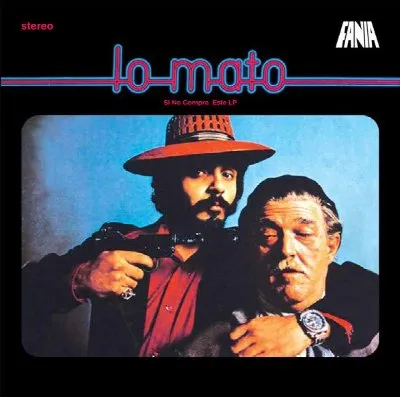
Lo Mato
1973 37 min 8 tracks salsa
Elevation 77 /100 AlpineTrombones press against Héctor Lavoe’s conversational singing as streetwise salsa gives way to bittersweet reflection.
Is this for you?
Good fit if you like
- streetwise stories with bittersweet turns
- conversational singing under brass pressure
- a seven-minute closing stretch
- compact pacing with one longer
Maybe skip if you
- want every track equally brief
- avoid rueful streetwise storytelling
Recommended tracks
Top tracks — play these first
-
Calle Luna, Calle Sol Start here — Lavoe turns a warning about street crime into nimble musical storytelling, while Colón’s trombones give the scene its tough-edged setting.
-
Todo tiene su final — A meditation on impermanence becomes a dance-floor song without losing its melancholy; Lavoe’s measured delivery keeps the contrast in focus.
-
El día de suerte — Lavoe sings about hardship and the hope of better fortune with an intimacy that makes the song feel unusually personal within the band’s assertive sound.
-
Junio '73 — The seven-minute closer gives the ensemble room to stretch beyond the compact storytelling of the vocal numbers, putting the band’s interplay to the fore.
Elevation
Our rating, out of 100 — and why.
AI-generated from five scored dimensions. An opinion, not a measurement. How Elevation works
The album showcases strong brass arrangements and interactive vocals, making it a solid salsa record.
What we noticed
- The album opens with a strong brass section that establishes a lively salsa rhythm, immediately engaging the listener.
- Several tracks feature call-and-response vocals, creating an interactive feel that invites audience participation.
- The final track incorporates a slower tempo and a more reflective mood, contrasting with the energetic opening songs.
- Composition 25% of the score
-
7/10
- Craft 20% of the score
-
8/10
- Durability 25% of the score
-
6/10
- Distinctiveness 18% of the score
-
8/10
- Sequencing 12% of the score
-
7/10
the writing — melody, harmony, structure, lyrics
production, performance, arrangement
whether it rewards returning to it
whether it sounds like itself
running order, pacing, length
The score is the weighted average of these five, then scaled to spread the range — the scaling never changes which of two albums scores higher.
Known within its scene. Reported but not counted — how far a record travelled describes its reception rather than the record, and a newer release has had less time to travel than an older one.
Tracklist
- 1 Calle Luna, Calle Sol Start here 3:48
- 2 Todo tiene su final (recommended) 5:03
- 3 Guajira ven 4:12
- 4 La María 3:34
- 5 Señora Lola 3:23
- 6 El día de suerte (recommended) 5:28
- 7 Vo so 4:26
- 8 Junio '73 (recommended) 7:09
Where this album fits
- In the catalog
- Critical Peak — A defining Lavoe-era release that became a central reference for Colón’s New York salsa sound.
- Career context
- Released in 1973, Lo Mato arrived near the end of Willie Colón’s first run of albums with singer Héctor Lavoe. Their partnership had helped define Fania’s New York salsa sound since Colón’s 1967 debut, El Malo.
- Stylistic neighbors
- Héctor Lavoe· Rubén Blades· Tito Puente
Keep listening
What to play next
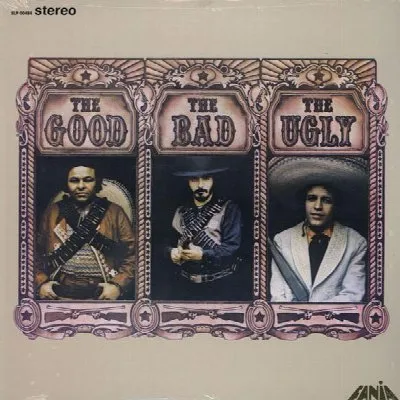
The Good, the Bad, the Ugly
1975
It carries the trombone-driven salsa forward while widening the palette with new textures and arrangements.

La Gran Fuga
1970
Its lean, streetwise salsa sets up the sharper trombone sound and expressive interplay heard on Lo Mato.
Own the record
Some of these are affiliate links: a purchase may earn Northsound a small commission, at no cost to you. It never decides what we recommend or how we score.
Sources
The Weekly Dispatch
One record worth your time, every week — picked the way this page is.
One short email. Free, unsubscribe anytime. Read this week's.
Sync your library
Everything you track here works immediately — no account needed. Create one when you want to sync across devices.