

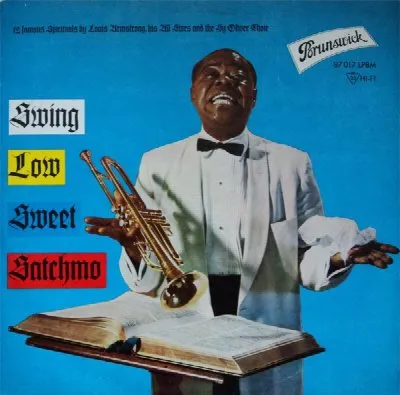
Louis and the Good Book
Louis Armstrong · 1958
35 min · 12 tracks · jazz
A soulful blend of traditional spirituals infused with Armstrong's quintessential jazz improvisation and heartfelt vocal delivery.
Top tracks — play these first
-
→
Nobody Knows the Trouble I've Seen Start here — Armstrong transforms this well-known spiritual into a poignant reflection on suffering, showcasing his emotive vocal style and mastery of phrasing.
-
→
Go Down Moses — The track highlights Armstrong's ability to convey deep emotion through simple yet powerful melodies, illustrating the connection between African American history and spiritual resilience.
-
→
Swing Low, Sweet Chariot — This rendition features a joyful swing feel combined with Armstrong's signature trumpet embellishments, emphasizing his unique approach to traditional material.
Elevation
Our rating, out of 100 — and why.
AI-generated from five scored dimensions. An opinion, not a measurement.
Armstrong's reinterpretation of spirituals showcases strong composition and craft while maintaining a cohesive sound.
What we noticed
- Each track features a prominent trumpet melody, often accompanied by rich harmonies from a small ensemble, creating a warm and inviting sound.
- The album maintains a consistent tempo throughout, with most tracks staying in a moderate to slow pace, allowing for expressive improvisation.
- Several tracks incorporate call-and-response elements typical of gospel music, enhancing the spiritual feel of the arrangements.
- Composition 25% of the score
-
7/10
- Craft 20% of the score
-
8/10
- Durability 25% of the score
-
6/10
- Distinctiveness 18% of the score
-
8/10
- Sequencing 12% of the score
-
7/10
the writing — melody, harmony, structure, lyrics
production, performance, arrangement
whether it rewards returning to it
whether it sounds like itself
running order, pacing, length
Significant within its genre. Reported but not counted — how far a record travelled describes its reception rather than the record, and a newer release has had less time to travel than an older one.
Is this for you?
Good fit if you like
- steady pacing for reflective moments
- soulful warmth for quiet evenings
- thematic progression through spirituals
- headphone detail on trumpeting nuances
Maybe skip if you
- seeking high-energy tracks
- prefer contemporary sounds
Where this album fits
- In the catalog
- Breakthrough — Showcases Armstrong's reinterpretation of spirituals, enhancing jazz's acceptance as an art form.
- Themes
- spiritual yearning· jazz-infused gospel· post-war reflection
- Career context
- By the time 'Louis and the Good Book' was released in 1958, Louis Armstrong was already a celebrated figure in jazz, known for his innovative trumpet playing and distinctive gravelly voice. This album came during a period when Armstrong was transitioning to more diverse musical explorations, following the success of records like 'Ella and Louis' (1956) and marking his continued prominence in popular music.
- Stylistic neighbors
- Miles Davis· Ella Fitzgerald· Count Basie
Tracklist
- 1 Nobody Knows the Trouble I've Seen Start here 3:02
- 2 Shadrack 2:46
- 3 Go Down Moses 3:40
- 4 Rock My Soul (In the Bosom of Abraham) 2:58
- 5 Ezekiel Saw the Wheel 2:33
- 6 On My Way (Got on My Travelin'shoes) 3:04
- 7 Down by the Riverside 3:11
- 8 Swing Low, Sweet Chariot 3:10
- 9 Sometimes I Feel Like a Motherless Child 3:29
- 10 Jonah and the Whale 2:40
- 11 Didn't It Rain 2:49
- 12 This Train 2:25
If this landed
Records by other artists that run on the same instinct.
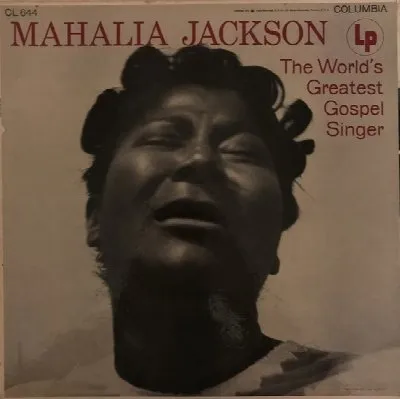
The World's Greatest Gospel Singer
Mahalia Jackson
Shares deep spiritual themes and powerful vocal delivery, blending gospel with jazz influences.
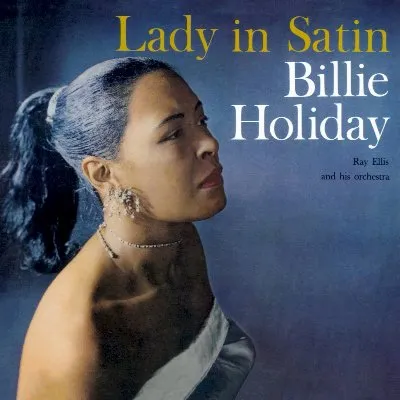
Lady in Satin
Billie Holiday
Explores emotional depth with lush orchestration, merging jazz vocals with a soulful, introspective atmosphere.
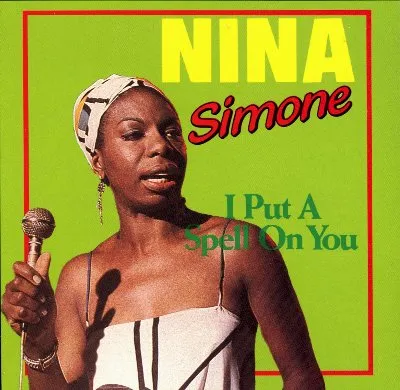
I Put a Spell on You
Nina Simone
Combines jazz with spirituals and blues, emphasizing personal reflection and emotional storytelling.
Reference: Wikipedia · MusicBrainz · Wikidata
Sync your library
Everything you track here works immediately — no account needed. Create one when you want to sync across devices.