

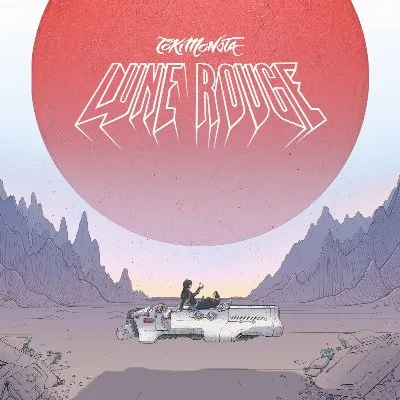
Lune Rouge
2017 39 min 11 tracks house music
Elevation 70 /100 TreelineHazy electronic beats open into luminous pop melodies while an undercurrent of unease keeps the dance floor at a slight distance.
Recommended tracks
Top tracks — play these first
-
Lune Start here
-
Thief — MNDR’s vocal gives the track a sharp pop center, while the production keeps its rhythmic edges loose and atmospheric.
-
I Wish I Could — Selah Sue’s soulful vocal stretches across a slow-building electronic arrangement, showing how the album makes space for a guest singer without surrendering its nocturnal mood.
-
Bibimbap — This instrumental puts TOKiMONSTA’s beat-making in the foreground, letting its shifting textures and rhythmic detail carry the track without a lead vocal.
-
Don't Call Me — Yuna’s restrained vocal turns a refusal of contact into a coolly melodic centerpiece, set against production that keeps the tension understated.
Moments worth listening for
Where the writing does something specific.
-
Don't Call Me
The refrain repeatedly addresses an unwanted caller with a direct command to stop making contact.
The repetition gives the boundary a rhythmic role, making the vocal hook itself an act of refusal.
Elevation
Our rating, out of 100 — and why.
AI-generated from five scored dimensions. An opinion, not a measurement. How Elevation works
InstrumentalThe album showcases strong production and cohesive flow but lacks standout compositional depth.
What we noticed
- The album features a consistent use of layered synths and rhythmic percussion that create a textured soundscape throughout.
- Tracks often transition smoothly into one another, with overlapping elements that maintain a cohesive flow.
- Several tracks incorporate varying tempos and dynamics, with some building to climactic moments before dropping back to minimalistic sections.
- Composition 25% of the score
-
6/10
- Craft 20% of the score
-
7/10
- Durability 25% of the score
-
6/10
- Distinctiveness 18% of the score
-
7/10
- Sequencing 12% of the score
-
8/10
the writing — melody, harmony, structure, lyrics
production, performance, arrangement
whether it rewards returning to it
whether it sounds like itself
running order, pacing, length
The score is the weighted average of these five, then scaled to spread the range — the scaling never changes which of two albums scores higher.
Significant within its genre. Reported but not counted — how far a record travelled describes its reception rather than the record, and a newer release has had less time to travel than an older one.
Tracklist
- 1 Lune Start here 3:03
- 2 Rouge 2:13
- 3 Thief (recommended) 3:11
- 4 I Wish I Could (recommended) 4:27
- 5 We Love 3:26
- 6 Bibimbap (recommended) 3:23
- 7 No Way 3:24
- 8 Don't Call Me (recommended) 3:38
- 9 Rose's Thorn 4:25
- 10 Early to Dawn 3:39
- 11 Estrange 4:18
Where this album fits
- In the catalog
- Breakthrough — Its Grammy-nominated release brought Tokimonsta wider recognition and marked a major return after her health crisis.
- Themes
- brain-surgery recovery· relearning musical language· nocturnal synth haze
- Career context
- Lune Rouge followed TOKiMONSTA’s 2013 album Half Shadows and the 2014 mini-album Desiderium. She made it after undergoing brain surgery for moyamoya disease, a period in which she had to regain her ability to understand music and language.
- Stylistic neighbors
- Nosaj Thing· Shlohmo· Teebs
Keep listening
What to play next

Related records
If this landed
Records by other artists that run on the same instinct.

Take Me Apart
Kelela
Nocturnal synth textures and intricate electronic beats frame luminous, emotionally unsettled pop melodies.

Kelly Lee Owens
Kelly Lee Owens
Hazy club electronics and cool, glimmering vocals keep the dance pulse slightly remote.
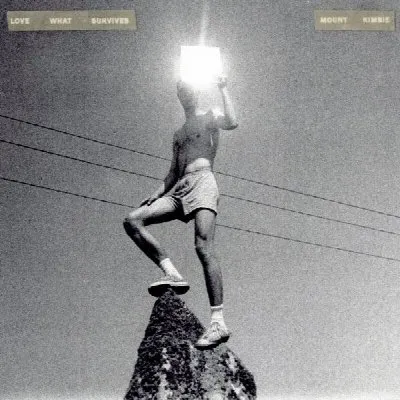
Love What Survives
Mount Kimbie
Soft-focus electronic rhythms open into pop songwriting, with a subdued unease beneath the glow.
Own the record
Some of these are affiliate links: a purchase may earn Northsound a small commission, at no cost to you. It never decides what we recommend or how we score.
Sources
The Weekly Dispatch
One record worth your time, every week — picked the way this page is.
One short email. Free, unsubscribe anytime. Read this week's.
Sync your library
Everything you track here works immediately — no account needed. Create one when you want to sync across devices.