

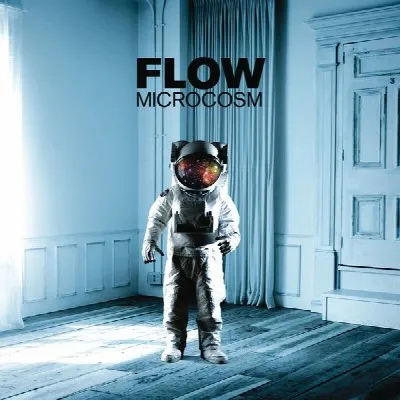
Microcosm
Flow · 2010
53 min · 15 tracks · alternative rock
Flow’s twin vocals cut across driving rock guitars while short interludes give the album a sense of orbit and return.
Top tracks — play these first
-
→
SIGN — Its urgent guitar-driven arrangement and alternating vocals carry the emotional directness that made it a fitting Naruto Shippuden opening.
-
→
CALLING Start here — Used as a Heroman ending theme, it brings the band’s punchy rock writing into a concise television-song format.
-
→
PLANETARIUM — Its celestial framing contributes to the album’s larger sense of scale, leading toward the central interlude -CORE-.
-
→
-CORE- — This brief midpoint piece interrupts the run of full-length songs, making the album’s sequence feel deliberately structured rather than simply collected.
Is this for you?
Good fit if you like
- wave-like pacing with interludes
- thoughtful exploration of soundscapes
- reflective late-night listening sessions
- short bursts of immersive journeys
Maybe skip if you
- prefer straightforward song structures
- seek constant high-energy tracks
Where this album fits
- In the catalog
- Deep Cut — Solid entry in the catalog that doesn't serve as a breakthrough or peak.
- Themes
- dream-like melodies· Japanese pop-punk evolution
- Career context
- Released in 2010, Microcosm was Flow’s sixth studio album and followed 2009’s #5. It gathered songs from a period when the Japanese band’s television-theme work was introducing its rock sound to anime audiences beyond Japan.
- Stylistic neighbors
- Paramore· PVRIS· Tonight Alive
Tracklist
- 1 -ECHOES- 1:40
- 2 CALLING Start here 3:33
- 3 SIGN 3:55
- 4 UNION 4:30
- 5 ATMOSPHERE 4:39
- 6 PLANETARIUM 3:45
- 7 -CORE- 1:59
- 8 FREEDOM 3:18
- 9 ENEMY 4:12
- 10 SOUL RED 3:40
- 11 LUNA 4:46
- 12 TONIGHT 3:51
- 13 AMBIENCE 4:09
- 14 TO-O-KU-E 4:41
- 15 -F.O.E- 1:11
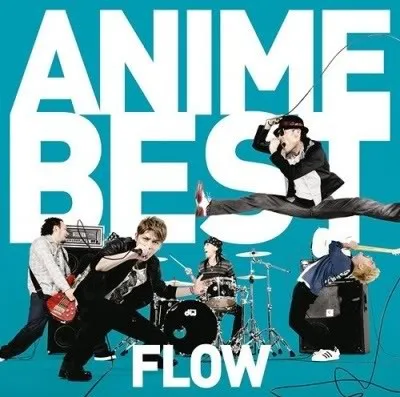

If this landed
Records by other artists that run on the same instinct.
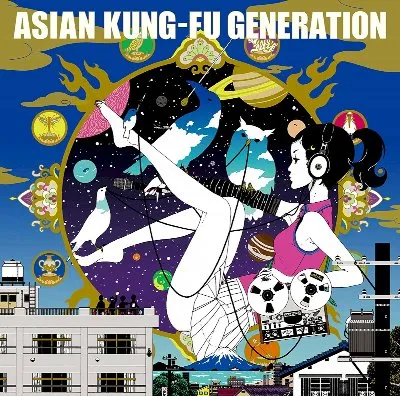
Sol-fa
Asian Kung-Fu Generation
Shares dynamic rhythms and ethereal melodies, embodying youthful exploration in alternative rock.
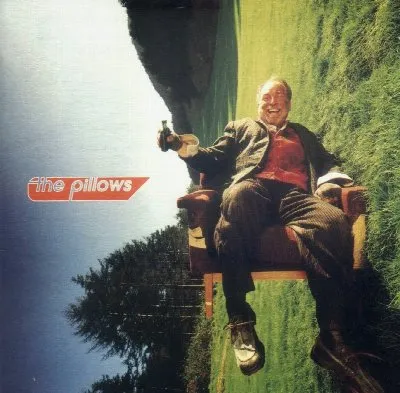
Happy Bivouac
The Pillows
Combines pop-punk energy with dream-like melodies, resonating with a sense of adventure and nostalgia.
Orbital Period
Bump of Chicken
Features lush soundscapes and introspective lyrics, reflecting themes of growth and exploration.
Reference: Wikipedia · MusicBrainz · Wikidata
Sync your library
Everything you track here works immediately — no account needed. Create one when you want to sync across devices.