

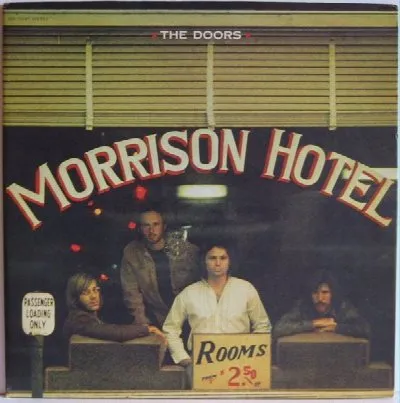
Morrison Hotel
The Doors · 1970
37 min · 11 tracks · psychedelic rock
The Doors trade psychedelic grandeur for lean blues grooves that leave Jim Morrison’s voice prowling in the foreground.
Top tracks — play these first
-
→
Roadhouse Blues Start here — A churning opening groove, John Sebastian’s harmonica and Morrison’s rough-edged vocal announce the album’s return to barroom blues.
-
→
Waiting for the Sun — The song moves between restrained verses and surging choruses, connecting the album’s leaner sound to the Doors’ earlier psychedelic drama.
-
→
Peace Frog — Robby Krieger’s clipped guitar riff drives a funk-inflected track whose images of violence cut against its buoyant rhythm.
-
→
The Spy — Morrison delivers a study in intimacy and intrusion over a slow blues arrangement, with Ray Manzarek’s piano giving the song its smoky late-night feel.
-
→
Maggie M’Gill — The closing track turns a character sketch into a heavy blues crawl, ending the record with a swagger rather than a psychedelic finale.
Elevation
Our rating, out of 100 — and why.
AI-generated from five scored dimensions. An opinion, not a measurement.
Compact songs and sharply drawn grooves keep the blues-rock framework lively; the side-to-side shift gives the sequence shape without making it feel indispensable as an album-long…
What we noticed
- The opening run moves from the loose barroom shuffle of “Roadhouse Blues” through the clipped, syncopated “Peace Frog” to the brief, gentle “Blue Sunday.”
- The second side leans into slower, bluesier grooves; “Indian Summer” pares back the arrangement before “Maggie M’Gill” closes with a harder-driving finish.
- Most tracks are compact, but “The Spy” stretches its slinky groove longer than the surrounding songs, while the two sides give the record a clear change of texture.
- Composition 25% of the score
-
7/10
- Craft 20% of the score
-
8/10
- Durability 25% of the score
-
8/10
- Distinctiveness 18% of the score
-
7/10
- Sequencing 12% of the score
-
7/10
the writing — melody, harmony, structure, lyrics
production, performance, arrangement
whether it rewards returning to it
whether it sounds like itself
running order, pacing, length
Significant within its genre. Reported but not counted — how far a record travelled describes its reception rather than the record, and a newer release has had less time to travel than an older one.
Is this for you?
Good fit if you like
- compact set of quick turns
- bluesy barroom swagger
- brief reflective interludes between stomps
- late-night roadhouse atmosphere
Maybe skip if you
- want one continuous mood
- prefer long, unfolding tracks
Where this album fits
- In the catalog
- Fan Favorite — A rootsier, blues-driven turn that many longtime listeners value as a defining late-period Doors album.
- Themes
- barroom blues· 1969 Miami legal proceedings· smoky late-night intimacy· street-violence imagery
- Career context
- Released in 1970, Morrison Hotel was the Doors’ fifth studio album and followed The Soft Parade, whose brass and string arrangements had broadened the band’s sound. It returned the group to a more stripped-down blues-rock approach as Morrison faced legal proceedings stemming from a 1969 Miami concert.
- Stylistic neighbors
- Jefferson Airplane· The Velvet Underground· Cream
Tracklist
- 1 Roadhouse Blues Start here 4:04
- 2 Waiting for the Sun 3:59
- 3 You Make Me Real 2:52
- 4 Peace Frog 2:49
- 5 Blue Sunday 2:12
- 6 Ship of Fools 3:10
- 7 Land Ho! 4:10
- 8 The Spy 4:17
- 9 Queen of the Highway 2:47
- 10 Indian Summer 2:35
- 11 Maggie M’Gill 4:23
What to play next
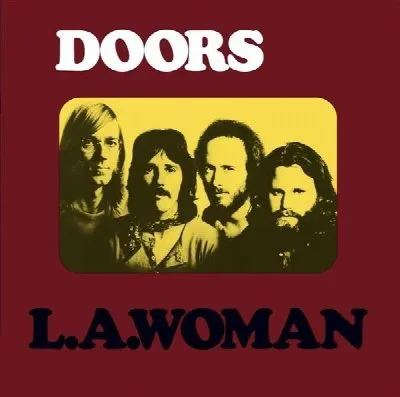
L.A. Woman
1971
It extends Morrison Hotel’s blues-rock turn with a deeper, more groove-focused sound.
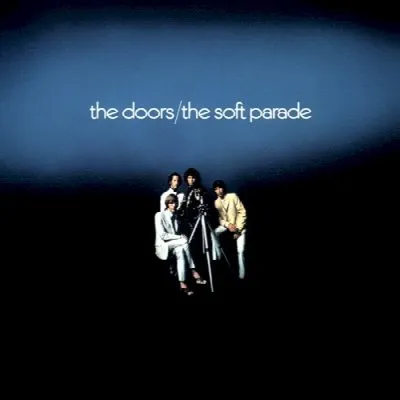
The Soft Parade
1969
Its more elaborate arrangements make the shift to Morrison Hotel’s leaner blues-rock feel vivid.
If this landed
Records by other artists that run on the same instinct.
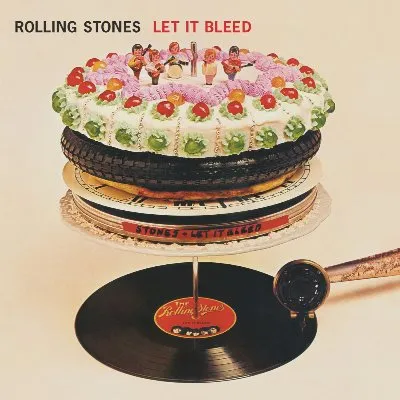
Let It Bleed
The Rolling Stones
Pairs loose blues-rock grooves with a smoky, uneasy portrait of street life and social unrest.
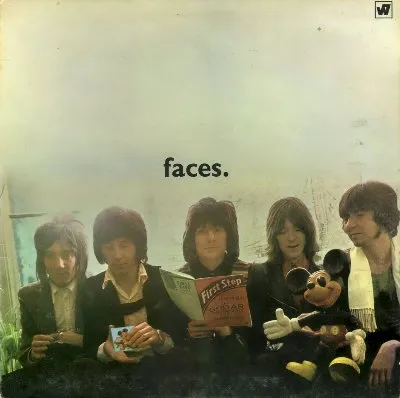
First Step
Faces
Shares a rough barroom-rock feel, bluesy guitar interplay, and vocals that stay close to the mic.
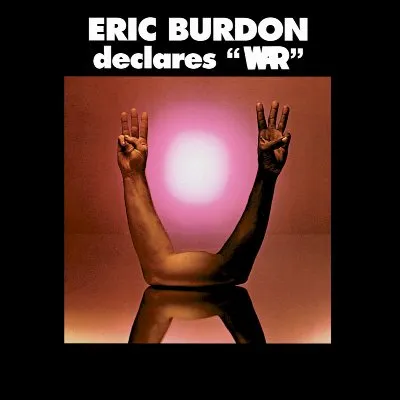
Eric Burdon Declares "War"
Eric Burdon & War
Combines blues-rooted grooves and a prowling vocal with gritty, urban themes.
Reference: Wikipedia · MusicBrainz · Wikidata
Sync your library
Everything you track here works immediately — no account needed. Create one when you want to sync across devices.