

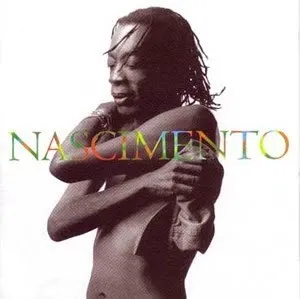
Nascimento
Milton Nascimento · 1997
49 min · 12 tracks · rock music
Nascimento's soaring voice moves between intimate song and expansive arrangements shaped by percussion and orchestral color.
Top tracks — play these first
-
→
Louva-a-deus Start here — establishes the sonic palette early
-
→
Guardanapos de Papel — The Portuguese-language version of a song written with Argentine musician Fito Páez gives Nascimento room to move between conversational phrasing and his unmistakable high register.
-
→
Ol' Man River — Nascimento approaches the American standard through his own vocal style, bringing a song associated with the musical Show Boat into the album's cross-cultural repertoire.
-
→
Os Tambores de Minas — Its percussion-centered setting points toward the musical traditions of Minas Gerais, a region central to Nascimento's artistic identity.
-
→
Biromes y Servilletas — The Spanish-language counterpart to Guardanapos de Papel offers a second way into the same composition and underlines the exchange with Páez.
Elevation
Our rating, out of 100 — and why.
AI-generated from five scored dimensions. An opinion, not a measurement.
Nascimento blends Brazilian rhythms with rock influences, showcasing his unique style and emotional depth.
What we noticed
- The album opens with a strong rhythmic pulse in 'Louva-a-deus', immediately establishing a vibrant Brazilian feel.
- Tracks like 'Cuerpo y Alma' and 'Ol' Man River' feature intricate vocal harmonies that showcase Nascimento's range and emotive delivery.
- Several songs incorporate traditional Brazilian instruments, blending them seamlessly with contemporary rock elements, creating a rich soundscape.
- Composition 25% of the score
-
7/10
- Craft 20% of the score
-
8/10
- Durability 25% of the score
-
6/10
- Distinctiveness 18% of the score
-
8/10
- Sequencing 12% of the score
-
7/10
the writing — melody, harmony, structure, lyrics
production, performance, arrangement
whether it rewards returning to it
whether it sounds like itself
running order, pacing, length
Significant within its genre. Reported but not counted — how far a record travelled describes its reception rather than the record, and a newer release has had less time to travel than an older one.
Is this for you?
Good fit if you like
- steady mid-tempo groove
- emotive vocal performances
- vibrant rhythmic explorations
- for reflective afternoons
- suitable for intimate gatherings
Maybe skip if you
- seekers of high-energy tracks
- prefer instant gratification
Where this album fits
- In the catalog
- Breakthrough — This album solidified Nascimento's status in Brazilian music after a hiatus.
- Themes
- Brazilian resilience· cultural fusion· emotive storytelling
- Career context
- Released in 1997, Nascimento followed Angelus, his 1994 album featuring international guests. By then, Milton Nascimento had spent three decades recording and had helped establish the Clube da Esquina movement in Minas Gerais.
- Stylistic neighbors
- Caetano Veloso· Gilberto Gil· João Gilberto
Tracklist
- 1 Louva-a-deus Start here 3:07
- 2 O Cavaleiro 3:42
- 3 Guardanapos de Papel 5:24
- 4 Cuerpo y Alma 3:59
- 5 Rouxinol 3:15
- 6 Janela Para o Mundo 4:04
- 7 E Agora, Rapaz? 4:43
- 8 Levantados do Chão 3:16
- 9 Ana Maria 5:18
- 10 Ol' Man River 3:33
- 11 Os Tambores de Minas 3:19
- 12 Biromes y Servilletas 5:24
What to play next
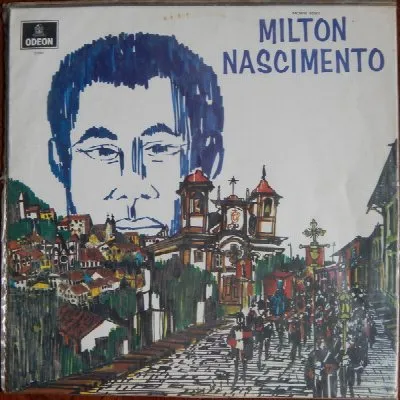
Milton Nascimento
1969
Continues the vibrant sound with rich melodies and diverse influences.
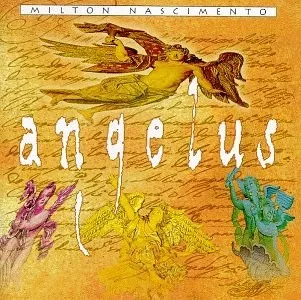
Angelus
1994
Sets the stage with emotive themes and a similar sonic palette.
If this landed
Records by other artists that run on the same instinct.
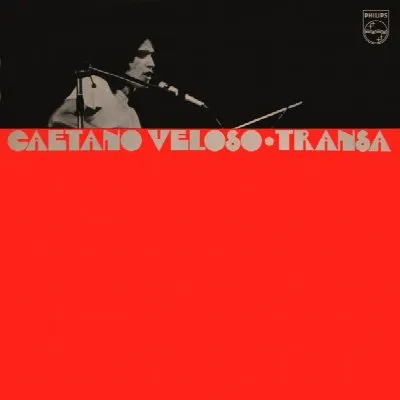
Transa
Caetano Veloso
Blends Brazilian rhythms with global influences, rich in emotive storytelling and cultural fusion.
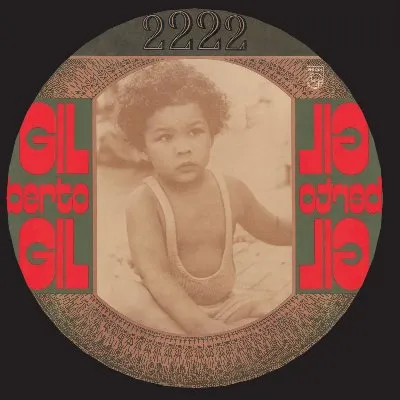
Expresso 2222
Gilberto Gil
Features vibrant Brazilian sounds and a mix of traditional and contemporary styles, echoing themes of resilience.
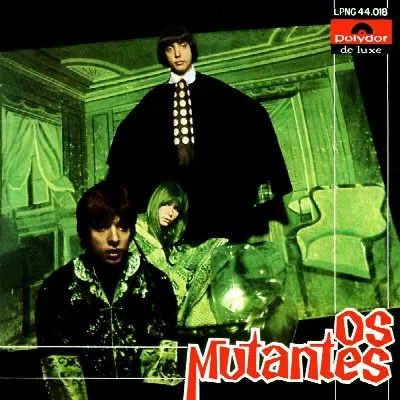
Os Mutantes
Os Mutantes
Combines psychedelic rock with Brazilian music elements, sharing a spirit of experimentation and cultural blending.
Reference: Wikipedia · MusicBrainz · Wikidata
Sync your library
Everything you track here works immediately — no account needed. Create one when you want to sync across devices.