

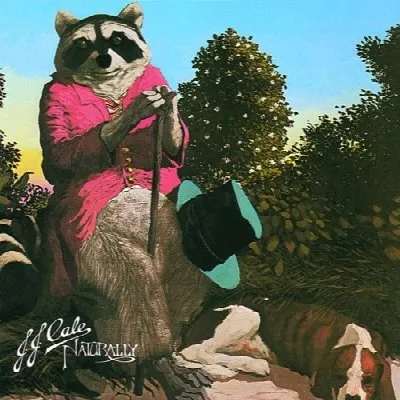
Top tracks — play these first
-
→
Call Me the Breeze Start here — A ticking drum machine and loose-limbed guitar introduce the album’s deceptively casual sound. Cale’s portrait of a restless traveler later became a vehicle for Lynyrd Skynyrd.
-
→
Magnolia — The slow pace and tender delivery give the album room to linger. Its restrained arrangement makes the longing in the song feel conversational rather than theatrical.
-
→
Crazy Mama — Cale’s biggest US solo hit turns a romantic complaint into an easygoing shuffle, with a memorable refrain that never needs to be shouted.
-
→
After Midnight — Set against Clapton’s earlier hit version, Cale’s own recording is notably relaxed. Its light touch shows how much tension he could create without pushing the tempo or the performance.
Elevation
Our rating, out of 100 — and why.
AI-generated from five scored dimensions. An opinion, not a measurement.
Concise, memorable songs and restrained guitar arrangements make its laid-back groove distinctive; the steady pacing holds together without needing dramatic peaks.
What we noticed
- The twelve songs are mostly compact, with uncluttered arrangements built around Cale’s low-key vocal, dry drums, bass, and economical electric-guitar fills.
- The opening groove of “Call Me the Breeze” sets a relaxed pulse; “Magnolia” later strips the arrangement back, while “Crazy Mama” and “After Midnight” bring the guitar forward again.
- The performances favor small rhythmic shifts and short instrumental replies over big climaxes, keeping the record’s pace steady across its brief songs.
- Composition 25% of the score
-
8/10
- Craft 20% of the score
-
8/10
- Durability 25% of the score
-
8/10
- Distinctiveness 18% of the score
-
8/10
- Sequencing 12% of the score
-
8/10
the writing — melody, harmony, structure, lyrics
production, performance, arrangement
whether it rewards returning to it
whether it sounds like itself
running order, pacing, length
Defined its genre or moment. Reported but not counted — how far a record travelled describes its reception rather than the record, and a newer release has had less time to travel than an older one.
Is this for you?
Good fit if you like
- compact songs with easy momentum
- unhurried moods for winding drives
- brief stops in romantic melancholy
- a dozen concise, self-contained turns
Maybe skip if you
- want dramatic long-form builds
- prefer a single continuous mood
Where this album fits
- In the catalog
- Starting Point — A concise introduction to Cale's laid-back, roots-oriented sound and the style that runs through his catalog.
- Themes
- open-road wandering· after-midnight encounters· Magnolia longing
- Career context
- Naturally was J.J. Cale’s debut album, released after years of work as a musician and songwriter. Eric Clapton’s 1970 recording of “After Midnight” had already brought Cale’s writing to a wider audience; the album introduced listeners to his own understated version.
- Stylistic neighbors
- Leonard Cohen· John Prine· Tom Waits
Moments worth listening for
Where the writing does something specific.
-
Call Me the Breeze
The opening compares the traveler to moving air, then returns repeatedly to his progress down the road.
The recurring journey gives the song a circular structure, so its restless character is established through repetition rather than a developing plot.
Tracklist
- 1 Call Me the Breeze Start here 2:39
- 2 Call the Doctor 2:28
- 3 Don’t Go to Strangers 2:25
- 4 Woman I Love 2:39
- 5 Magnolia 3:25
- 6 Clyde 2:33
- 7 Crazy Mama 2:25
- 8 Nowhere to Run 2:27
- 9 After Midnight 2:26
- 10 River Runs Deep 2:42
- 11 Bringing It Back 2:45
- 12 Crying Eyes 3:13
What to play next

Really
1973
It carries Naturally’s relaxed, guitar-led groove forward while expanding the sound with a fuller band feel.
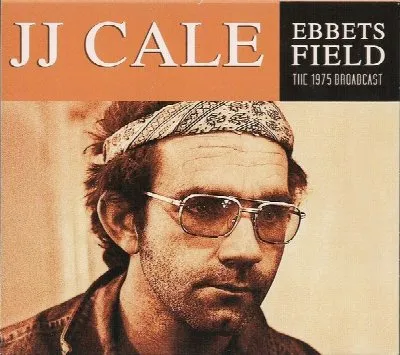
Ebbets Field: The 1975 Broadcast
Reference: Wikipedia · MusicBrainz · Wikidata
Sync your library
Everything you track here works immediately — no account needed. Create one when you want to sync across devices.