

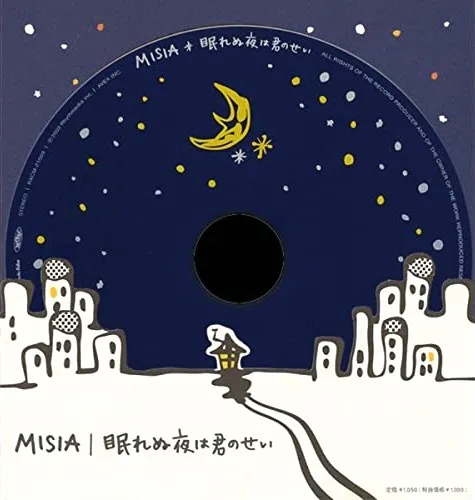
Top tracks — play these first
-
→
眠れぬ夜は君のせい — This title track showcases Misia's powerful vocal range and emotional delivery, encapsulating the album's overall theme of longing and introspection.
-
→
Shining Star — Offering a more upbeat contrast to the title track, 'Shining Star' highlights Misia's ability to weave joy into her storytelling through rich harmonies and an infectious melody.
-
→
眠れぬ夜は君のせい (Instrumental) — The instrumental version allows listeners to appreciate the complex arrangements and musicality behind the vocal performances, revealing layers often overshadowed by lyrics.
Elevation
Our rating, out of 100 — and why.
AI-generated from five scored dimensions. An opinion, not a measurement.
InstrumentalThe single showcases strong vocal arrangements and varied instrumentation, marking it as a notable entry in J-pop.
What we noticed
- The title track features a prominent use of layered vocal harmonies that build throughout the song, creating a rich texture.
- The second track, 'Shining Star', introduces a more upbeat tempo and incorporates brass instrumentation, contrasting with the slower ballad style of the title track.
- The instrumental version of the title track maintains the same arrangement but highlights the orchestration, allowing listeners to focus on the musical composition without vocals.
- Composition 25% of the score
-
7/10
- Craft 20% of the score
-
8/10
- Durability 25% of the score
-
6/10
- Distinctiveness 18% of the score
-
7/10
- Sequencing 12% of the score
-
5/10
the writing — melody, harmony, structure, lyrics
production, performance, arrangement
whether it rewards returning to it
whether it sounds like itself
running order, pacing, length
Significant within its genre. Reported but not counted — how far a record travelled describes its reception rather than the record, and a newer release has had less time to travel than an older one.
Where this album fits
- In the catalog
- Breakthrough — The single solidified Misia's reputation with its significant hit status.
- Themes
- longing nights· soulful melodies
- Career context
- When Misia released 'Nemurenu Yoru wa Kimi no Sei', she was already an established artist in Japan, following her breakout album 'Mother' in 1998. This 2002 album marked her continued evolution as a vocalist and songwriter, solidifying her presence in the J-pop and rhythm and blues scenes.
- Stylistic neighbors
- Ai Otsuka· Namie Amuro· Yuki Kajiura
Tracklist
Best experienced from track one — press play and let it unfold.
- 1 眠れぬ夜は君のせい 5:24
- 2 Shining Star 5:26
- 3 眠れぬ夜は君のせい (Instrumental) 5:23
What to play next
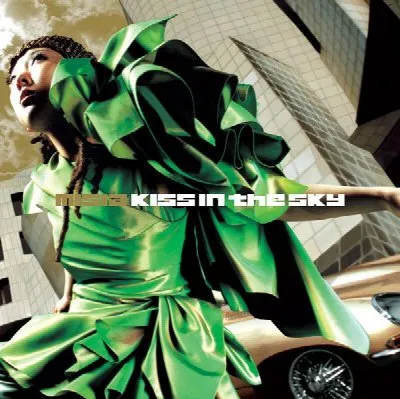
Kiss in the Sky
2002
Continues the soulful sound with rich emotional themes and vocal strength.

Marvelous
2001
Sets the stage with a similar blend of J-pop and R&B elements.
If this landed
Records by other artists that run on the same instinct.

Reference: Wikipedia · MusicBrainz · Wikidata
Sync your library
Everything you track here works immediately — no account needed. Create one when you want to sync across devices.