

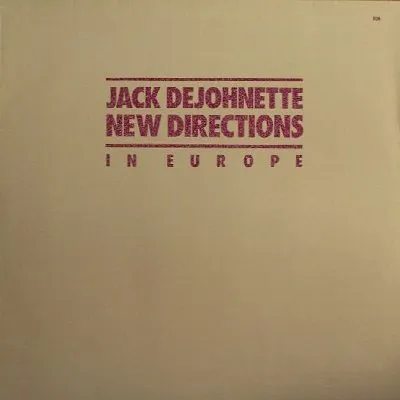
New Directions in Europe
56 min · 4 tracks · jazz
A vibrant tapestry of rhythmic exploration and intricate melodies, weaving together elements of free jazz and world music influences.
Top tracks — play these first
-
→
Salsa for Eddie G. — This track epitomizes the album's spirit with its infectious rhythms and celebrates the influence of Latin styles on jazz improvisation.
-
→
Where or Wayne — With its intricate interplay among musicians, this track highlights DeJohnette's mastery in blending complex arrangements with fluid solos.
-
→
Bayou Fever — The extended format allows for deep exploration of melodic themes, showcasing the band’s chemistry and DeJohnette’s innovative drumming techniques.
Elevation
Our rating, out of 100 — and why.
AI-generated from five scored dimensions. An opinion, not a measurement.
InstrumentalThe album displays strong compositional elements and skilled execution, making it a notable entry in contemporary jazz.
What we noticed
- The album features a consistent use of polyrhythms across all four tracks, creating a complex yet cohesive rhythmic foundation.
- Each track showcases a different instrumental texture, with varied combinations of piano, drums, and bass that shift throughout the record.
- The final track introduces an extended improvisational section that gradually builds in intensity before resolving into a quieter conclusion.
- Composition 25% of the score
-
7/10
- Craft 20% of the score
-
8/10
- Durability 25% of the score
-
6/10
- Distinctiveness 18% of the score
-
8/10
- Sequencing 12% of the score
-
7/10
the writing — melody, harmony, structure, lyrics
production, performance, arrangement
whether it rewards returning to it
whether it sounds like itself
running order, pacing, length
Known within its scene. Reported but not counted — how far a record travelled describes its reception rather than the record, and a newer release has had less time to travel than an older one.
Where this album fits
- In the catalog
- Breakthrough — This album helped establish DeJohnette's reputation in the jazz scene.
- Themes
- Latin jazz rhythms· European cultural fusion· improvisational exploration
- Career context
- Released in 1978, 'New Directions in Europe' marked a significant phase in Jack DeJohnette's career as he transitioned from his earlier work with iconic artists like Miles Davis. This album showcased his growth as a bandleader and composer, integrating a broader range of global musical styles into his improvisational approach, setting the stage for future explorations in jazz fusion.
- Stylistic neighbors
- Tony Williams· Chick Corea· Brian Blade
Tracklist
Best experienced from track one — press play and let it unfold.
- 1 Salsa for Eddie G. 16:05
- 2 Where or Wayne 12:33
- 3 Bayou Fever 18:24
- 4 Multo Spiliagio 9:32
If this landed
Records by other artists that run on the same instinct.

Return to Forever
Chick Corea
Combines Latin rhythms and jazz fusion, showcasing intricate melodies and improvisational depth.
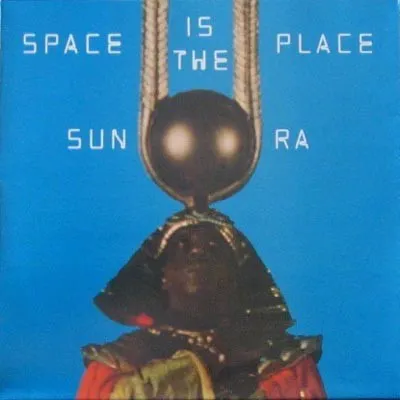
Space Is the Place
Sun Ra
Explores avant-garde jazz with a cosmic flair, merging global influences and free improvisation.
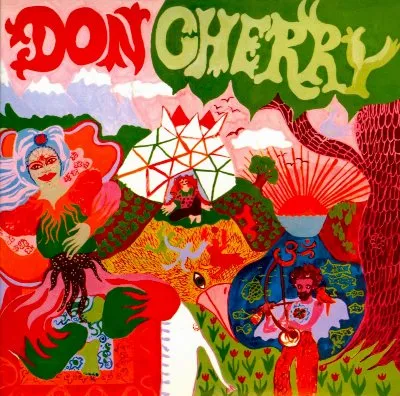
Organic Music Society
Don Cherry
Merges world music elements with free jazz, emphasizing rhythmic exploration and collaborative improvisation.
Reference: Wikipedia · MusicBrainz · Wikidata
Sync your library
Everything you track here works immediately — no account needed. Create one when you want to sync across devices.