

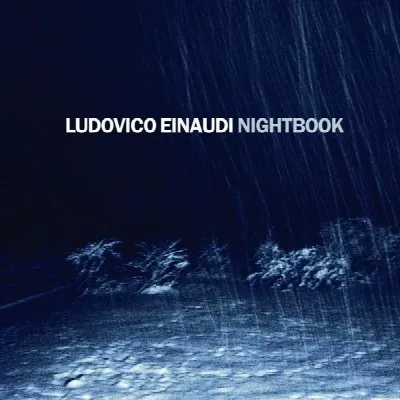
Nightbook
Ludovico Einaudi · 2009
69 min · 13 tracks · minimalist music
Repeating keyboard figures move through a shadowy electronic haze, gathering weight without breaking the music’s nocturnal stillness.
Top tracks — play these first
-
→
In principio Start here — establishes the sonic palette early
-
→
Nightbook — The title track builds from a recurring keyboard figure into a darker electronic setting, making the album’s balance of repetition and atmosphere especially clear.
-
→
Lady Labyrinth — A circling figure gives this piece its sense of motion, while the arrangement gradually thickens around it.
-
→
The Snow Prelude no. 15 — Its more exposed keyboard writing offers a contrast to the electronic shading elsewhere, drawing attention to Einaudi’s control of pacing and repetition.
-
→
The Planets — Its extended development gives the album’s ensemble sound room to accumulate momentum, rather than relying on a sudden dramatic turn.
Elevation
Our rating, out of 100 — and why.
AI-generated from five scored dimensions. An opinion, not a measurement.
InstrumentalEinaudi's 'Nightbook' showcases intricate piano compositions with rich textures, inviting deep reflection and repeat listening.
What we noticed
- The album features a consistent use of solo piano throughout, with each track exploring different melodic themes and variations.
- Several tracks incorporate subtle electronic textures that enhance the piano melodies without overpowering them.
- The pacing is deliberate, with many pieces gradually building in intensity before tapering off, creating a reflective atmosphere.
- Composition 25% of the score
-
8/10
- Craft 20% of the score
-
7/10
- Durability 25% of the score
-
8/10
- Distinctiveness 18% of the score
-
7/10
- Sequencing 12% of the score
-
9/10
the writing — melody, harmony, structure, lyrics
production, performance, arrangement
whether it rewards returning to it
whether it sounds like itself
running order, pacing, length
Known within its scene. Reported but not counted — how far a record travelled describes its reception rather than the record, and a newer release has had less time to travel than an older one.
Is this for you?
Good fit if you like
- introspective moments of solitude
- wave-like pacing with peaks
- ethereal melodies for reflection
- gradual builds inviting deep listening
Maybe skip if you
- seeking high-energy engagement
- prefer standalone upbeat tracks
Where this album fits
- In the catalog
- Breakthrough — Expanded Einaudi's audience and established his presence in relaxation playlists.
- Themes
- nighttime reflection· ethereal landscapes
- Career context
- Released in 2009, Nightbook followed Ludovico Einaudi’s Divenire, the 2006 album that brought his music to a wider international audience. It extended his minimalist approach beyond solo keyboard writing, incorporating electronics and ensemble playing.
- Stylistic neighbors
- Max Richter· Ólafur Arnalds· Nils Frahm
Tracklist
- 1 In principio Start here 2:51
- 2 Lady Labyrinth 5:30
- 3 Nightbook 5:50
- 4 Indaco 5:21
- 5 The Snow Prelude no. 15 4:29
- 6 Eros 5:37
- 7 The Crane Dance 3:04
- 8 The Snow Prelude no. 2 4:09
- 9 The Tower 4:41
- 10 Rêverie 4:40
- 11 Bye Bye Mon Amour 7:37
- 12 The Planets 7:07
- 13 Solo 8:46
What to play next
In a Time Lapse
2013
Continues the ethereal piano style with expanded textures and emotional depth.
Divenire
2006
Sets the stage with similar introspective melodies and rich soundscapes.
If this landed
Records by other artists that run on the same instinct.
Sleep
Max Richter
Shares the same ethereal soundscape with minimalist piano and soothing textures for introspective moments.
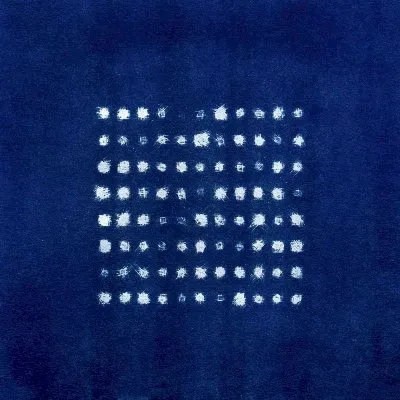
Re:member
Ólafur Arnalds
Combines minimalist piano with ambient layers, creating a reflective atmosphere similar to 'Nightbook.'
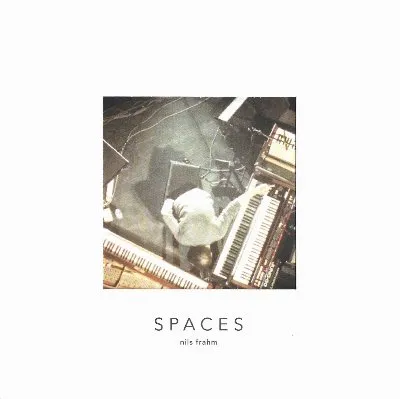
Spaces
Nils Frahm
Explores rich sonic textures and emotive minimalism, inviting deep reflection through its atmospheric compositions.
Reference: Wikipedia · MusicBrainz · Wikidata
Sync your library
Everything you track here works immediately — no account needed. Create one when you want to sync across devices.