

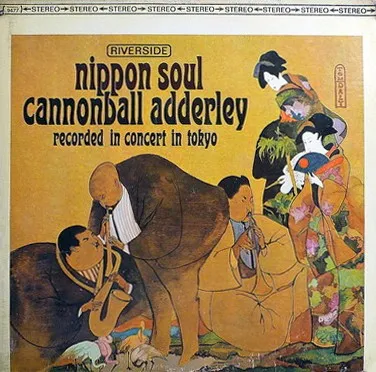
Nippon Soul
1963 56 min 7 tracks jazz
Elevation 75 /100 TreelineAdderley’s alto saxophone cuts through a live sextet sound where hard-bop drive gives way to gospel warmth and unhurried improvisation.
Is this for you?
Good fit if you like
- long improvisational stretches between brief
- wave-like pacing with roomy centerpieces
- pick-any listening across distinct moods
- nearly an hour for unhurried
Maybe skip if you
- need every track to be
- prefer tightly uniform pacing
Recommended tracks
Top tracks — play these first
-
The Weaver — The extended performance gives the sextet room to develop its ideas beyond a concise theme statement, making its interplay a central attraction.
-
Come Sunday — Duke Ellington’s devotional composition brings a quieter, hymn-like gravity to the set, showing how the band handles a melody without rushing its emotional weight.
-
Brother John — Its long performance offers space to hear the musicians build momentum together, with the soloists working against the rhythm section’s persistent pulse.
-
Work Song — Nat Adderley’s blues-rooted composition connects the concert to the group’s established soul-jazz identity, its insistent theme opening the door to improvisation.
Elevation
Our rating, out of 100 — and why.
AI-generated from five scored dimensions. An opinion, not a measurement. How Elevation works
InstrumentalLong live improvisations and a well-paced ballad detour give the set staying power, though its jazz-club format is more personal than singular.
What we noticed
- The seven-track live set opens with the title tune and closes with “Work Song,” framing standards and band originals with two up-tempo ensemble numbers.
- “Come Sunday” arrives fifth after the extended “Tengo Tango,” briefly lowering the pace before “Brother John” and “Work Song” bring it back up.
- The tunes leave room for extended solo passages, so the set advances through changes in soloist and groove rather than short, tightly edited arrangements.
- Composition 25% of the score
-
7/10
- Craft 20% of the score
-
8/10
- Durability 25% of the score
-
7/10
- Distinctiveness 18% of the score
-
6/10
- Sequencing 12% of the score
-
7/10
the writing — melody, harmony, structure, lyrics
production, performance, arrangement
whether it rewards returning to it
whether it sounds like itself
running order, pacing, length
The score is the weighted average of these five, then scaled to spread the range — the scaling never changes which of two albums scores higher.
Known within its scene. Reported but not counted — how far a record travelled describes its reception rather than the record, and a newer release has had less time to travel than an older one.
Tracklist
Best experienced from track one — press play and let it unfold.
- 1 Nippon Soul 9:34
- 2 Easy to Love 3:49
- 3 The Weaver (recommended) 10:50
- 4 Tengo Tango 2:40
- 5 Come Sunday (recommended) 7:03
- 6 Brother John (recommended) 13:03
- 7 Work Song (recommended) 9:06
Where this album fits
- In the catalog
- Fan Favorite — A vivid live document of the quintet on tour, appealing to listeners who want its energetic stage sound.
- Themes
- 1963 Tokyo concert· Duke Ellington hymn· gospel-rooted soul jazz· live horn improvisation
- Career context
- Nippon Soul documents Cannonball Adderley’s sextet in Japan in 1963, following the popular breakthrough of his 1959 live recording The Cannonball Adderley Quintet in San Francisco. By this point, his group had expanded to include multi-instrumentalist Yusef Lateef alongside cornetist Nat Adderley and pianist Joe Zawinul.
- Stylistic neighbors
- John Coltrane· Wayne Shorter· Miles Davis
Keep listening
What to play next

Live Session!
1964
It keeps the live quintet momentum going while moving into the group’s next phase.
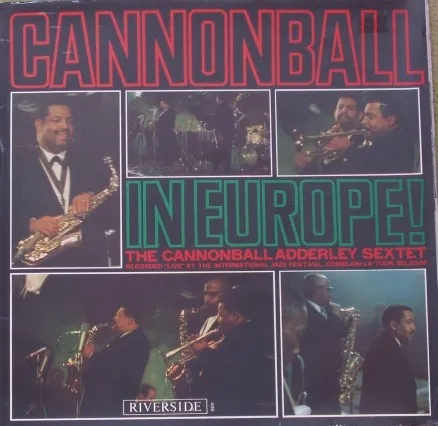
Cannonball in Europe!
1962
Its earlier live quintet sound offers a natural lead-in to the energy of Nippon Soul.
Related records
If this landed
Records by other artists that run on the same instinct.
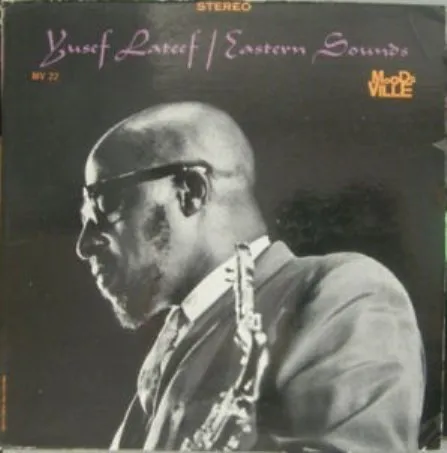
Eastern Sounds
Yusef Lateef
Shares Lateef’s modal improvisation and spiritual warmth, with an exploratory palette beyond straight-ahead hard bop.
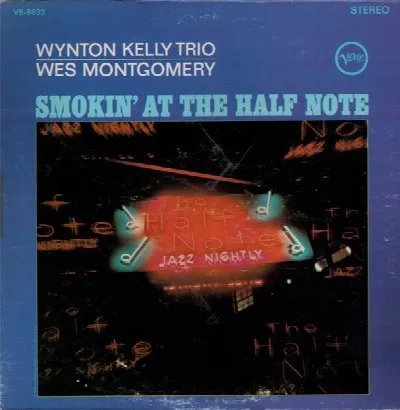
Smokin' at the Half Note
Wes Montgomery
Pairs live small-group improvisation with bluesy warmth and an unhurried flow between ensemble passages and solos.
Own the record
Some of these are affiliate links: a purchase may earn Northsound a small commission, at no cost to you. It never decides what we recommend or how we score.
Sources
The Weekly Dispatch
One record worth your time, every week — picked the way this page is.
One short email. Free, unsubscribe anytime. Read this week's.
Sync your library
Everything you track here works immediately — no account needed. Create one when you want to sync across devices.