


No Stone Unturned
31 min · 12 tracks · blues
Raw rhythm and blues gives way to shadowy psychedelia across a collection of the Stones’ early detours.
Top tracks — play these first
-
→
Poison Ivy Start here — The Coasters’ hit becomes a brisk early Stones R&B workout, with the band leaning into the song’s mischievous medical metaphors.
-
→
Child of the Moon — Hazy guitar and an incantatory vocal reveal a psychedelic side of the band that contrasts with the collection’s rougher R&B recordings.
-
→
Stoned — This loose instrumental B-side puts the group’s early blues instincts up front, with a rolling groove that sounds more like a club performance than polished pop.
-
→
2120 South Michigan Avenue — Named for Chicago’s Chess Studios address, this instrumental lets the band settle into the blues groove at the source of many of their influences.
Elevation
Our rating, out of 100 — and why.
AI-generated from five scored dimensions. An opinion, not a measurement.
Strong early Stones songs and performances make the collection worthwhile, but its rarities-and-singles assembly has little sequencing logic or identity as an album.
What we noticed
- The sequence opens with the early cover “Poison Ivy” and closes with 1967’s “Who’s Driving Your Plane,” placing songs from several years of the band’s development side by side.
- “Stoned” and “2120 South Michigan Avenue” are instrumental detours between vocal songs; elsewhere, covers such as “Money” sit beside the group’s own B-sides and rarities.
- The track order moves between rock-and-roll covers, blues workouts and shorter pop songs without building a sustained arc or a clear closing payoff.
- Composition 25% of the score
-
6/10
- Craft 20% of the score
-
6/10
- Durability 25% of the score
-
5/10
- Distinctiveness 18% of the score
-
4/10
- Sequencing 12% of the score
-
3/10
the writing — melody, harmony, structure, lyrics
production, performance, arrangement
whether it rewards returning to it
whether it sounds like itself
running order, pacing, length
Little footprint beyond its audience. Reported but not counted — how far a record travelled describes its reception rather than the record, and a newer release has had less time to travel than an older one.
Is this for you?
Good fit if you like
- quick turns from whimsy to
- brief song-sized snapshots
- curiosity about obscure song titles
- a compact half-hour of contrasts
Maybe skip if you
- want extended song development
- need a tightly unified narrative
Where this album fits
- In the catalog
- Deep Cut — A Decca-era compilation of non-album tracks, useful for exploring material outside the core studio albums.
- Themes
- Chicago blues tradition· 1960s British R&B clubs· barroom heartbreak
- Career context
- Released by Decca in 1973, No Stone Unturned gathered recordings from the Rolling Stones’ 1960s catalogue after the band had left the label and established Rolling Stones Records. It looks back to their formative years as blues interpreters and their emergence as songwriters, rather than presenting a new studio project.
- Stylistic neighbors
- The Who· Led Zeppelin· The Doors
Moments worth listening for
Where the writing does something specific.
-
Poison Ivy
A verse runs through a succession of illnesses before returning to the troublesome plant used to describe the song’s subject.
The escalating catalogue turns a warning into a comic rhythm, setting up the recurring comparison as the punchline.
Tracklist
- 1 Poison Ivy Start here 2:35
- 2 The Singer Not the Song 2:27
- 3 Surprise Surprise 2:30
- 4 Child of the Moon 3:09
- 5 Stoned 2:09
- 6 Sad Day 3:01
- 7 Money 2:32
- 8 Congratulations 2:28
- 9 I’m Moving On 2:13
- 10 2120 South Michigan Avenue 2:09
- 11 Long Long While 3:00
- 12 Who’s Driving Your Plane 3:14
What to play next
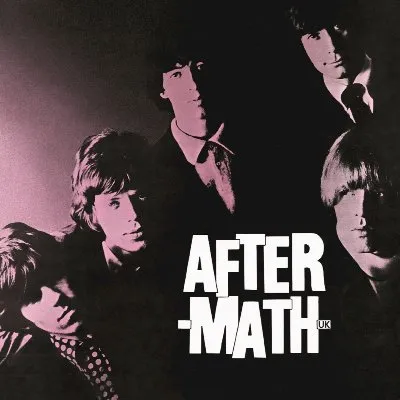
Aftermath
1966
Its expanded songwriting and richer arrangements carry the early-era sound into a more adventurous phase.
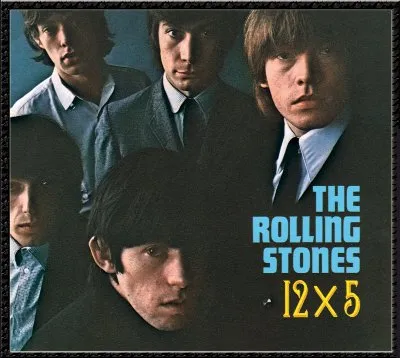
12 X 5
1964
Its blues-rooted covers and early originals set up the raw material explored across this collection.
If this landed
Records by other artists that run on the same instinct.

Reference: Wikipedia · MusicBrainz · Wikidata
Sync your library
Everything you track here works immediately — no account needed. Create one when you want to sync across devices.