

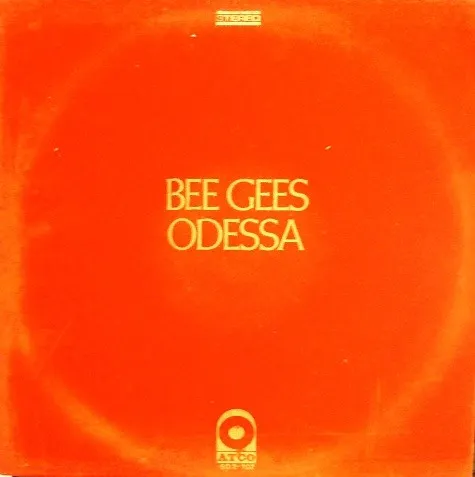
Odessa
1969 64 min 17 tracks pop music
Elevation 71 /100 TreelineA lush tapestry of orchestral arrangements entwined with poignant melodies, revealing the Bee Gees' artistic evolution beyond pop convention.
Is this for you?
Good fit if you like
- wave-like emotional ebb and flow
- melancholic storytelling through sound
- dynamic journey with varied pacing
- reflective moments for quiet contemplation
- orchestral arrangements that envelop
Maybe skip if you
- prefer instant gratification tracks
- seek high-energy party anthems
Recommended tracks
Top tracks — play these first
-
Odessa (City on the Black Sea) Start here — The title track encapsulates the album's grand vision with its sweeping orchestration and evocative lyrics, serving as a thematic centerpiece that reflects the band’s artistic aspirations.
-
Melody Fair — This track stands out through its melancholic melody and heartfelt vocal delivery, showcasing the Bee Gees’ knack for crafting emotionally resonant pop songs.
-
First of May — With its gentle piano accompaniment and poignant lyrics about love and reflection, this song exemplifies the softer side of the Bee Gees’ sound during this period.
Elevation
Our rating, out of 100 — and why.
AI-generated from five scored dimensions. An opinion, not a measurement. How Elevation works
Odessa showcases intricate songwriting and orchestration but lacks commercial success, limiting its broader impact.
What we noticed
- The album opens with a lengthy orchestral piece that sets a cinematic tone, followed by tracks that alternate between lush arrangements and stripped-down vocal harmonies.
- Several songs feature complex chord progressions and layered harmonies, particularly in the choruses, which highlight the Bee Gees' vocal strengths.
- The running time is extended due to multiple tracks exceeding four minutes, with some reaching over six minutes, creating a sense of an expansive journey.
- The final track features a dramatic orchestral conclusion that contrasts sharply with the preceding songs, providing a sense of closure.
- Composition 25% of the score
-
7/10
- Craft 20% of the score
-
8/10
- Durability 25% of the score
-
6/10
- Distinctiveness 18% of the score
-
7/10
- Sequencing 12% of the score
-
5/10
the writing — melody, harmony, structure, lyrics
production, performance, arrangement
whether it rewards returning to it
whether it sounds like itself
running order, pacing, length
The score is the weighted average of these five, then scaled to spread the range — the scaling never changes which of two albums scores higher.
Known within its scene. Reported but not counted — how far a record travelled describes its reception rather than the record, and a newer release has had less time to travel than an older one.
Tracklist
- 1 Odessa (City on the Black Sea) Start here 7:33
- 2 You'll Never See My Face Again 4:17
- 3 Black Diamond 3:29
- 4 Marley Purt Drive 4:26
- 5 Edison 3:06
- 6 Melody Fair (recommended) 3:50
- 7 Suddenly 2:30
- 8 Whisper Whisper 3:25
- 9 Lamplight 4:47
- 10 Sound of Love 3:29
- 11 Give Your Best 3:28
- 12 Seven Seas Symphony 4:10
- 13 With All Nations (International Anthem) 1:47
- 14 I Laugh in Your Face 4:10
- 15 Never Say Never Again 3:29
- 16 First of May (recommended) 2:50
- 17 The British Opera 3:16
Where this album fits
- In the catalog
- Critical Peak — Showcases the Bee Gees' growth as songwriters with orchestral arrangements.
- Themes
- Odessa's nostalgia· Black Sea longing· bittersweet remembrance
- Moods
- Melancholy· Introspective
- Career context
- Released in March 1969, Odessa was the Bee Gees' fifth studio album during a time of burgeoning creativity. Following their commercial breakthrough with 'Horizontal' and 'Idea', this album showcased their ambition to experiment with more complex musical narratives and elaborate production techniques, setting the stage for their later dominance in the disco era.
- Stylistic neighbors
- The Beatles· The Beach Boys· ABBA
Keep listening
What to play next
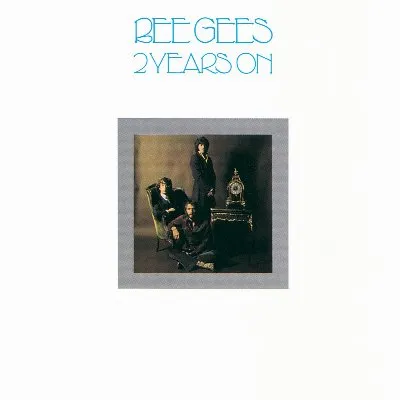
2 Years On
1970
This album continues the lush orchestration and emotional depth found in Odessa.
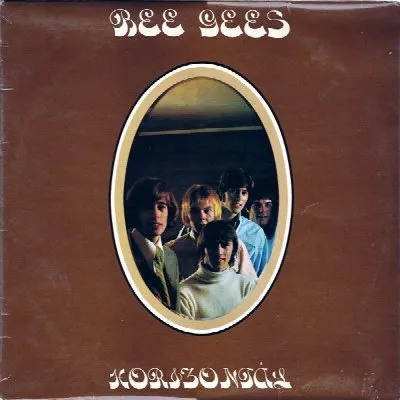
Horizontal
1968
Horizontal sets a similar tone with rich harmonies and orchestral elements that lead into Odessa.
Related records
If this landed
Records by other artists that run on the same instinct.
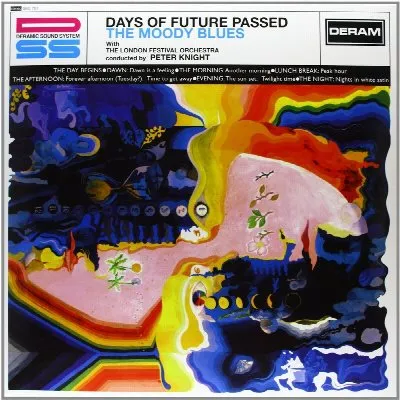
Days of Future Passed
The Moody Blues
Shares lush orchestration and a blend of rock with classical elements, evoking nostalgia and emotional depth.
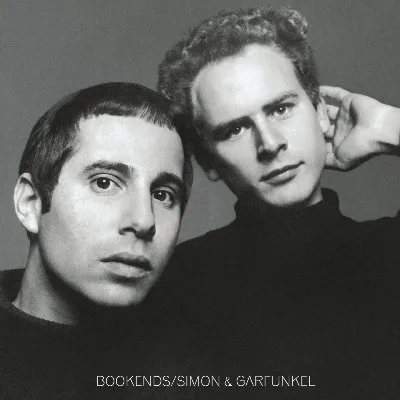
Bookends
Simon & Garfunkel
Explores themes of love and loss with intricate harmonies and a reflective, cinematic sound.

Space Oddity
David Bowie
Combines rich production with poignant storytelling, creating an atmospheric experience of longing and introspection.
Own the record
Some of these are affiliate links: a purchase may earn Northsound a small commission, at no cost to you. It never decides what we recommend or how we score.
Sources
The Weekly Dispatch
One record worth your time, every week — picked the way this page is.
One short email. Free, unsubscribe anytime. Read this week's.
Sync your library
Everything you track here works immediately — no account needed. Create one when you want to sync across devices.