

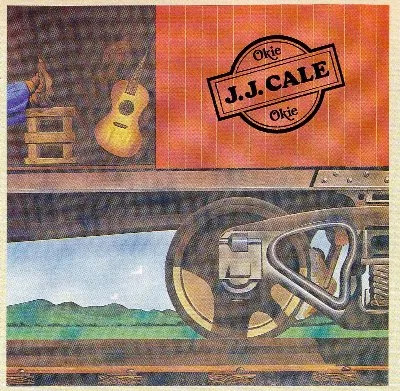
Top tracks — play these first
-
→
Crying Start here — track 1 offers a natural entry point
-
→
Cajun Moon — A gently rolling groove and Cale’s near-whispered delivery make the song’s address to the moon feel intimate rather than theatrical.
-
→
Rock & Roll Records — Cale turns a song about the business and appeal of records into a compact, easy-swinging performance, keeping the music as matter-of-fact as the lyric.
-
→
Anyway the Wind Blows — Its relaxed pulse gives Cale room to let the vocal and guitar phrases fall behind the beat, demonstrating how much tension he can create without raising the volume.
-
→
I Got the Same Old Blues — The closing track draws on familiar blues language, but Cale’s restrained singing and economical accompaniment make weariness sound conversational.
Elevation
Our rating, out of 100 — and why.
AI-generated from five scored dimensions. An opinion, not a measurement.
Its concise songs and spacious, low-key arrangements make a coherent, distinctive set, though the understated writing rarely reaches for dramatic development.
What we noticed
- The opening pair, “Crying” and “I’ll Be There,” establishes the album’s restrained vocal-and-guitar sound before “Starbound” shifts toward a more country-rock pulse.
- “Cajun Moon” slows into a gentle lilt, while the closing “I Got the Same Old Blues” returns to a more pronounced shuffle.
- Most tracks are concise; the arrangements leave space around the vocal and guitar rather than building toward large climaxes.
- Composition 25% of the score
-
7/10
- Craft 20% of the score
-
8/10
- Durability 25% of the score
-
8/10
- Distinctiveness 18% of the score
-
8/10
- Sequencing 12% of the score
-
7/10
the writing — melody, harmony, structure, lyrics
production, performance, arrangement
whether it rewards returning to it
whether it sounds like itself
running order, pacing, length
Significant within its genre. Reported but not counted — how far a record travelled describes its reception rather than the record, and a newer release has had less time to travel than an older one.
Where this album fits
- In the catalog
- Fan Favorite — An early album that deepens the relaxed Tulsa sound for listeners exploring beyond his breakthrough releases.
- Themes
- Oklahoma blues· Cajun moonlight· record-business grind
- Career context
- Okie was J.J. Cale’s third album, following Naturally and Really. By its 1974 release, Cale had gained wider attention as the writer of “After Midnight,” which Eric Clapton had recorded, while developing his own understated approach as a recording artist.
- Stylistic neighbors
- Leonard Cohen· John Prine· Tom Waits
Moments worth listening for
Where the writing does something specific.
-
Cajun Moon
The lyric addresses the moon directly, asking about its power and holding it responsible for a lover’s departure.
Turning a celestial object into an addressee gives the song’s unanswered questions the shape of a personal confrontation.
Tracklist
- 1 Crying Start here 2:36
- 2 I’ll Be There (If You Ever Want Me) 2:24
- 3 Starbound 2:00
- 4 Rock & Roll Records 2:10
- 5 The Old Man & Me 2:06
- 6 Everlovin’ Woman 2:12
- 7 Cajun Moon 2:14
- 8 I’d Like to Love You Baby 2:52
- 9 Anyway the Wind Blows 3:24
- 10 Precious Memories 2:11
- 11 Okie 1:59
- 12 I Got the Same Old Blues 3:00
What to play next
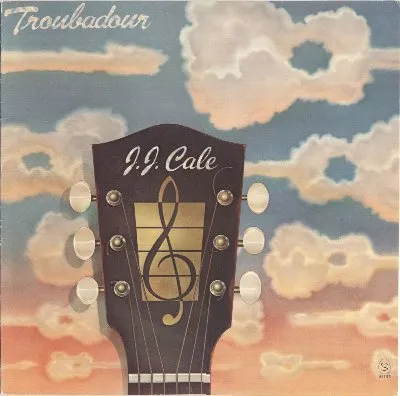
Troubadour
1976
It carries Okie's relaxed country-blues grooves forward with a slightly fuller, more polished sound.
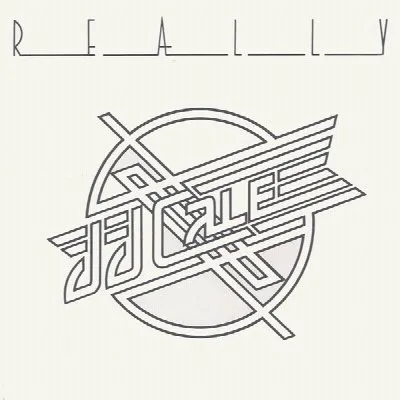
Really
1973
Its spare, laid-back blues and country feel leads naturally into Okie's understated grooves.
Reference: Wikipedia · MusicBrainz · Wikidata
Sync your library
Everything you track here works immediately — no account needed. Create one when you want to sync across devices.