

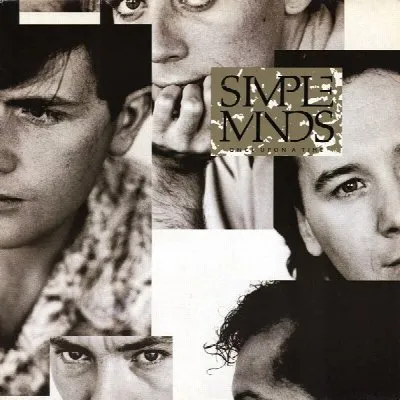
Once Upon a Time
Simple Minds · 1985
40 min · 8 tracks · new wave
Simple Minds turn post-punk urgency into arena-sized rock, with Jim Kerr’s voice rising against sweeping keyboards and gospel-inflected backing vocals.
Top tracks — play these first
-
→
Once Upon a Time Start here — establishes the sonic palette early
-
→
Alive and Kicking — Its surging chorus and the interplay between Jim Kerr and backing vocalist Robin Clark give the album’s expansive sound a human counterweight.
-
→
All the Things She Said — A tightly wound rhythm and bright keyboard figures drive a song that keeps its sense of urgency even as it reaches for an arena-sized chorus.
-
→
Ghost Dancing — The restless beat and insistent vocal delivery connect the band’s earlier rhythmic intensity to their larger mid-1980s rock sound.
-
→
Sanctify Yourself — Gospel-inflected backing vocals and a pounding rhythm turn its exhortatory chorus into one of the album’s most communal moments.
Elevation
Our rating, out of 100 — and why.
AI-generated from five scored dimensions. An opinion, not a measurement.
The album blends anthemic choruses with lush synths, typical of its era, while maintaining strong songwriting throughout.
What we noticed
- The album opens with a title track that features layered synths and a steady build-up, leading into the anthemic chorus of 'All the Things She Said'.
- Each song typically follows a verse-chorus structure, with prominent hooks designed for sing-alongs, particularly in tracks like 'Alive and Kicking'.
- The production employs rich synth textures and echoing vocals, creating a spacious sound that is characteristic of mid-80s arena rock.
- The final track, 'Come a Long Way', slows down the tempo significantly, providing a reflective conclusion to the album.
- Composition 25% of the score
-
7/10
- Craft 20% of the score
-
8/10
- Durability 25% of the score
-
6/10
- Distinctiveness 18% of the score
-
6/10
- Sequencing 12% of the score
-
7/10
the writing — melody, harmony, structure, lyrics
production, performance, arrangement
whether it rewards returning to it
whether it sounds like itself
running order, pacing, length
Significant within its genre. Reported but not counted — how far a record travelled describes its reception rather than the record, and a newer release has had less time to travel than an older one.
Is this for you?
Good fit if you like
- long, immersive listening sessions
- dynamic emotional journeys
- energetic workout motivation
- atmospheric background focus
Where this album fits
- In the catalog
- Breakthrough — 'Once Upon a Time' solidified Simple Minds' reputation and included major hits, enhancing their visibility.
- Themes
- mid-80s optimism· political pop anthems· vivid storytelling
- Career context
- Once Upon a Time was Simple Minds’ seventh studio album, following 1984’s Sparkle in the Rain. It arrived after the international breakthrough of the single “Don't You (Forget About Me),” which was not included on the album.
- Stylistic neighbors
- Talk Talk· The Cure· Duran Duran
Moments worth listening for
Where the writing does something specific.
-
Alive and Kicking
The chorus pairs a plea to stay with an image of love returning to life.
The request makes renewal sound conditional on someone remaining present, giving the soaring refrain an underlying uncertainty.
Tracklist
- 1 Once Upon a Time Start here 5:45
- 2 All the Things She Said 4:16
- 3 Ghost Dancing 4:45
- 4 Alive and Kicking 5:25
- 5 Oh Jungleland 5:14
- 6 I Wish You Were Here 4:43
- 7 Sanctify Yourself 5:00
- 8 Come a Long Way 5:06
What to play next
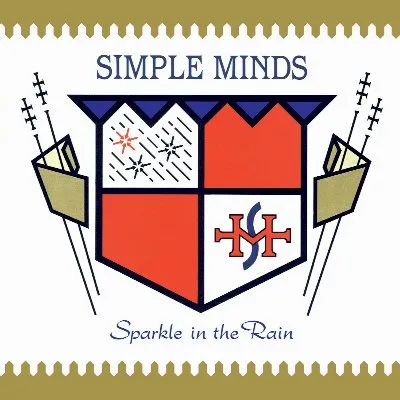
Sparkle in the Rain
1984
Continues the anthemic style with more polished production and vibrant energy.
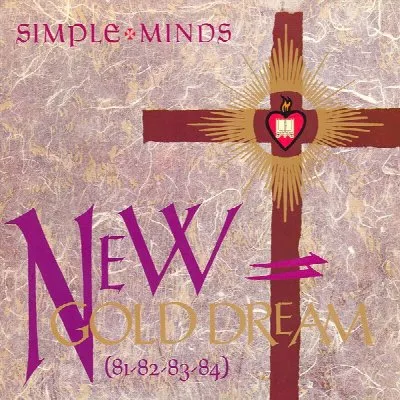
New Gold Dream
1982
Sets the stage with similar themes and sound that lead into the soaring nature of 'Once Upon a Time'.
If this landed
Records by other artists that run on the same instinct.
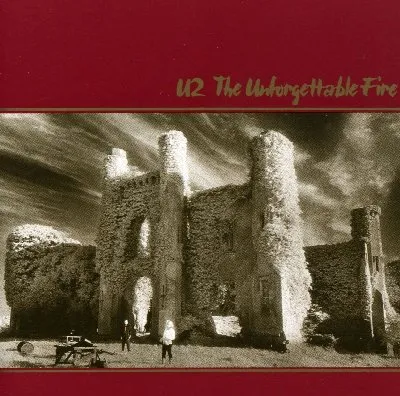
The Unforgettable Fire
U2
Shares anthemic melodies and vivid storytelling with a polished mid-80s sound.
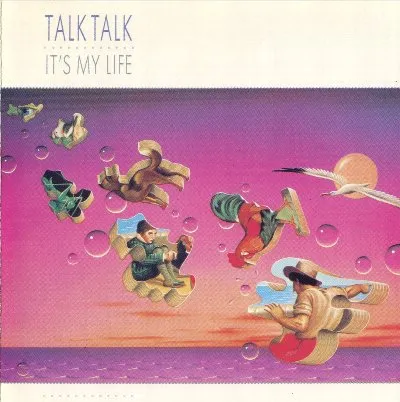
It's My Life
Talk Talk
Combines lush synths with emotional depth, echoing the arena rock ethos of the mid-80s.
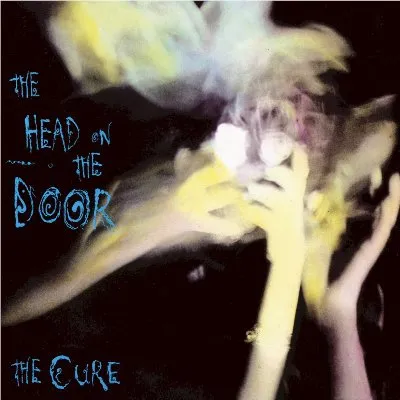
The Head on the Door
The Cure
Merges art rock sensibilities with evocative lyrics, reflecting the same era's optimism.
Reference: Wikipedia · MusicBrainz · Wikidata
Sync your library
Everything you track here works immediately — no account needed. Create one when you want to sync across devices.