

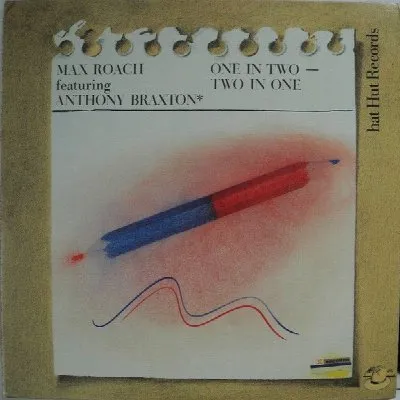
Top tracks — play these first
-
→
One In Two-Two In One Part I — Part I serves as an expansive canvas for Roach's virtuosic drumming and showcases the intricate interplay between musicians, setting the tone for the album's explorative journey.
-
→
One In Two-Two In One Part II — Part II continues the thematic and rhythmic innovations established in the first segment, culminating in a dynamic resolution that emphasizes collective improvisation.
Elevation
Our rating, out of 100 — and why.
AI-generated from five scored dimensions. An opinion, not a measurement.
InstrumentalThe album's lengthy, improvisational structure showcases Roach's innovative approach to jazz.
What we noticed
- The album consists of two extended tracks, each over 20 minutes, allowing for deep exploration of themes and improvisation.
- The interplay between the instruments creates a conversational dynamic, with rhythms and melodies evolving organically throughout each part.
- There are no traditional song structures; instead, the music flows through various motifs and textures, challenging conventional jazz forms.
- Composition 25% of the score
-
7/10
- Craft 20% of the score
-
8/10
- Durability 25% of the score
-
6/10
- Distinctiveness 18% of the score
-
7/10
- Sequencing 12% of the score
-
8/10
the writing — melody, harmony, structure, lyrics
production, performance, arrangement
whether it rewards returning to it
whether it sounds like itself
running order, pacing, length
Known within its scene. Reported but not counted — how far a record travelled describes its reception rather than the record, and a newer release has had less time to travel than an older one.
Where this album fits
- In the catalog
- Experimental — Its extended, improvisational structure pushes beyond conventional jazz forms within Roach's catalog.
- Career context
- By the time Max Roach released One in Two – Two in One in 1979, he was already a pivotal figure in jazz, known for his innovative drumming and compositional skills. This album came after his influential work in the civil rights movement and marked a continued evolution into politically charged and experimental music, following albums like 'We Insist! Freedom Now Suite' from 1960.
- Stylistic neighbors
- Art Blakey· Elvin Jones· Tony Williams
Tracklist
Best experienced from track one — press play and let it unfold.
- 1 One In Two-Two In One Part I 35:28
- 2 One In Two-Two In One Part II 39:30
What to play next
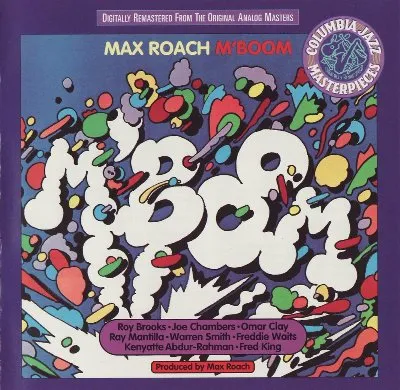
M'Boom
1979
It extends the album’s rhythmic experimentation into a full percussion ensemble, widening the dialogue without leavin...
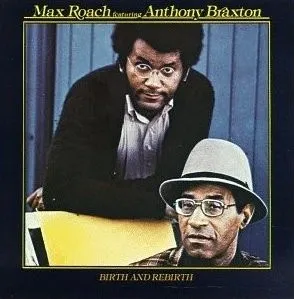
Birth and Rebirth
1978
Reference: Wikipedia · MusicBrainz · Wikidata
Sync your library
Everything you track here works immediately — no account needed. Create one when you want to sync across devices.