

Elevation
Our rating, out of 100 — and why.
AI-generated from five scored dimensions. An opinion, not a measurement.
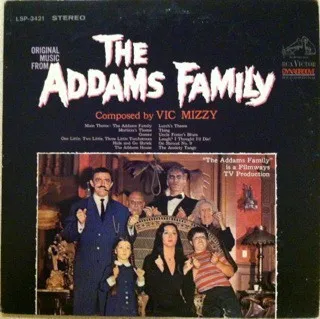
The theme’s spare, instantly recognizable hook anchors a set of compact comic cues, but most of the album works as functional scene-setting rather than sustained development.
What we noticed
- The opening Main Theme establishes a clipped harpsichord hook with finger snaps; the closing vocal version brings that hook back after the instrumental cues.
- The short middle tracks pivot among character portraits and comic cues, with titles like “Uncle Fester’s Blues” and “The Anxiety Tango” signaling changes in style.
- The tracks behave as separate television cues rather than a continuous suite, so the album’s sequence moves by scene and character rather than building a long arc.
- Composition 25% of the score
-
6/10
- Craft 20% of the score
-
6/10
- Durability 25% of the score
-
5/10
- Distinctiveness 18% of the score
-
7/10
- Sequencing 12% of the score
-
6/10
the writing — melody, harmony, structure, lyrics
production, performance, arrangement
whether it rewards returning to it
whether it sounds like itself
running order, pacing, length
Known within its scene. Reported but not counted — how far a record travelled describes its reception rather than the record, and a newer release has had less time to travel than an older one.
Tracklist
Best experienced from track one — press play and let it unfold.
- 1 Main Theme 1:59
- 2 Uncle Fester's Blues 2:15
- 3 Gomes 2:02
- 4 Morticia's Theme 2:41
- 5 Lurch's Theme 2:14
- 6 One Little, Two Little, Three Little Tombstones 2:26
- 7 Thing 2:00
- 8 Laugh? I Thought I'd Die! 2:39
- 9 On Shroud Number 9 2:26
- 10 The Addams House 1:38
- 11 Hide and Shriek 2:40
- 12 The Anxiety Tango 2:06
- 13 Main Theme (vocal) 0:52
What to play next
Reference: MusicBrainz · Wikidata
Sync your library
Everything you track here works immediately — no account needed. Create one when you want to sync across devices.