

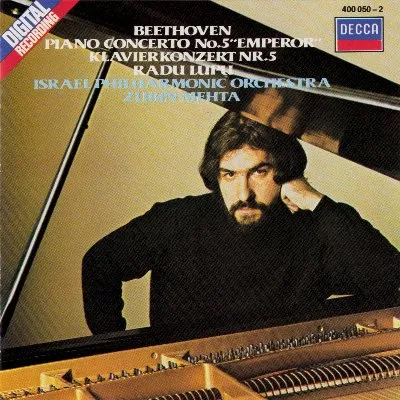
Piano Concerto no. 5 “Emperor”
38 min · 3 tracks · classical music
Elevation
Our rating, out of 100 — and why.
AI-generated from five scored dimensions. An opinion, not a measurement.
InstrumentalThe concerto’s bold opening exchanges and seamless Adagio-to-rondo turn make a strongly shaped work; the unspecified performance prevents a firm judgment of execution.
What we noticed
- The first movement opens with three piano-led flourishes between orchestral statements before settling into an expansive sonata-form movement.
- The Adagio’s restrained piano-and-orchestra dialogue moves directly into the finale, where the piano introduces the rondo theme.
- The three movements give the work a clear progression from a large-scale opening through a slow center to a returning, quicker dance pulse.
- Composition 25% of the score
-
9/10
- Craft 20% of the score
-
5/10
- Durability 25% of the score
-
8/10
- Distinctiveness 18% of the score
-
8/10
- Sequencing 12% of the score
-
9/10
the writing — melody, harmony, structure, lyrics
production, performance, arrangement
whether it rewards returning to it
whether it sounds like itself
running order, pacing, length
Reshaped what followed. Reported but not counted — how far a record travelled describes its reception rather than the record, and a newer release has had less time to travel than an older one.
Tracklist
Best experienced from track one — press play and let it unfold.
- 1 Concerto no. 5 in E-flat major, op. 73 “Emperor”: I. Allegro 20:31
- 2 Concerto no. 5 in E-flat major, op. 73 “Emperor”: II. Adagio un poco mosso 7:24
- 3 Concerto no. 5 in E-flat major, op. 73 “Emperor”: III. Rondo. Allegro 10:24
What to play next
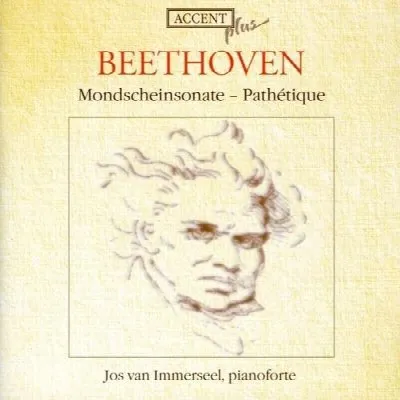
Sonata op. 27 No. 2, Sechs Bagatellen op. 126, Pathetique Sonata op. 13, Andante WoO 57 (Jos van Immerseel, pianoforte Conrad Graf (1824))
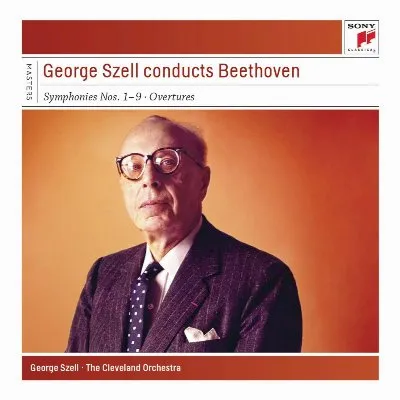
George Szell Conducts Beethoven Symphonies & Overtures
Reference: MusicBrainz
Sync your library
Everything you track here works immediately — no account needed. Create one when you want to sync across devices.