

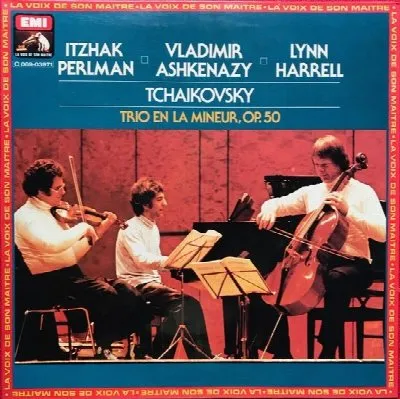
Elevation
Our rating, out of 100 — and why.
AI-generated from five scored dimensions. An opinion, not a measurement.
InstrumentalThe two-movement design sustains a substantial span, with the variation finale supplying structural momentum; the performance serves the writing without radically recasting it.
What we noticed
- The first movement opens with a measured piano statement answered by the strings, then moves into a quicker Allegro before returning to its elegiac frame.
- The second movement is a theme-and-variations sequence; its changes in texture and pace build toward an extended closing coda.
- Composition 25% of the score
-
8/10
- Craft 20% of the score
-
8/10
- Durability 25% of the score
-
8/10
- Distinctiveness 18% of the score
-
6/10
- Sequencing 12% of the score
-
7/10
the writing — melody, harmony, structure, lyrics
production, performance, arrangement
whether it rewards returning to it
whether it sounds like itself
running order, pacing, length
Significant within its genre. Reported but not counted — how far a record travelled describes its reception rather than the record, and a newer release has had less time to travel than an older one.
Tracklist
Best experienced from track one — press play and let it unfold.
- 1 Trio en la Mineur, Op. 50 - Pour piano, violon et violoncelle: Pezzo Elegiaco (Moderato Assai - Allegro Giusto) 18:26
- 2 Trio en la Mineur, Op. 50 - Pour piano, violon et violoncelle: Tema Con Variazioni 30:44
Reference: MusicBrainz
Sync your library
Everything you track here works immediately — no account needed. Create one when you want to sync across devices.