

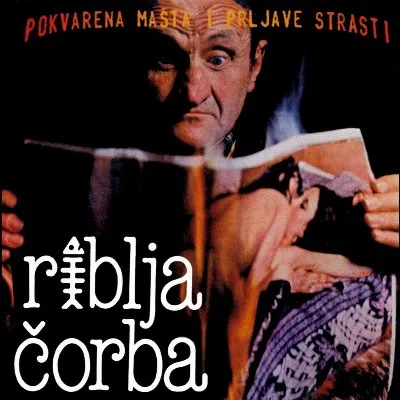
Pokvarena mašta i prljave strasti
Riblja čorba · 1981
38 min · 11 tracks · rock music
Energetic rock rhythms blend with sharp social commentary, creating a raw and provocative sound that captures the spirit of early '80s Yugoslavia.
Top tracks — play these first
-
→
Srećan put, pišo moja mala Start here — This opening track sets the tone with its catchy melody and cheeky lyrics about the complexities of relationships, establishing the album's playful yet critical approach.
-
→
Neke su žene pratile vojnike — This song provides a poignant commentary on gender roles and societal expectations, blending sarcasm with a catchy chorus that resonates with listeners.
-
→
Ostaću slobodan — Exploring themes of freedom and individuality, this track showcases the band's ability to intertwine personal reflection with broader social critique.
-
→
Dva dinara, druže — The lyrics cleverly address economic struggles while maintaining an upbeat tempo, illustrating how humor can be wielded against serious topics.
Elevation
Our rating, out of 100 — and why.
AI-generated from five scored dimensions. An opinion, not a measurement.
The album combines energetic rock with social commentary, showcasing strong lyrical content and a distinctive sound for its time.
What we noticed
- The album opens with a high-energy track that sets a fast tempo, which is maintained through the first half before slowing down in the latter tracks.
- Several songs feature call-and-response vocal patterns, creating an engaging dynamic between the lead singer and backing vocals.
- Lyrical themes often blend humor with social critique, using sharp wit to address serious topics, which is evident in multiple tracks.
- Composition 25% of the score
-
7/10
- Craft 20% of the score
-
6/10
- Durability 25% of the score
-
6/10
- Distinctiveness 18% of the score
-
7/10
- Sequencing 12% of the score
-
5/10
the writing — melody, harmony, structure, lyrics
production, performance, arrangement
whether it rewards returning to it
whether it sounds like itself
running order, pacing, length
Significant within its genre. Reported but not counted — how far a record travelled describes its reception rather than the record, and a newer release has had less time to travel than an older one.
Is this for you?
Good fit if you like
- playful irony and sharp wit
- short tracks for quick enjoyment
- light-hearted commentary on life
Maybe skip if you
- seeking deep emotional introspection
- prefer longer, sprawling compositions
Where this album fits
- In the catalog
- Breakthrough — Solidified Riblja Čorba's reputation as cultural provocateurs in early '80s Yugoslavia.
- Themes
- Yugoslav economic strain· soldiers and gender roles· early-1980s social satire
- Career context
- Released on February 23, 1981, this album is Riblja Čorba's third studio effort, following their breakthrough record 'Kost u grlu'. At this point in their career, the band had established themselves as a leading voice in the Yugoslav rock scene, known for their satirical lyrics and rebellious attitude.
- Stylistic neighbors
- Bajaga i Instruktori· Električni Orgazam· Partibrejkers
Tracklist
- 1 Srećan put, pišo moja mala Start here 2:23
- 2 Nemoj srećo, nemoj danas 3:05
- 3 Vidiš, da sam gadan, kad sam tebe gladan 2:39
- 4 Vrlo, vrlo zadovoljan tip 3:21
- 5 Neke su žene pratile vojnike 4:24
- 6 Ostaću slobodan 2:34
- 7 Hajde, sestro slatka 5:00
- 8 Lak muškarac 2:15
- 9 Dva dinara, druže 4:05
- 10 Evo ti za taksi 3:05
- 11 Rekla je 5:35
What to play next
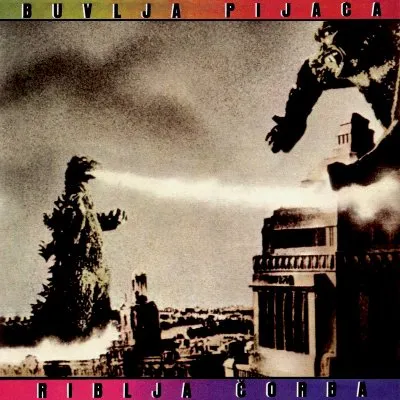
Buvlja pijaca
1982
Continues the energetic rock with sharp commentary, evolving the sound further.

Mrtva priroda
1981
Sets the stage with a similar raw energy and thematic depth.
If this landed
Records by other artists that run on the same instinct.
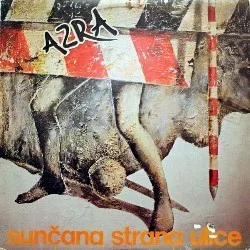
Sunčana strana ulice
Azra
Shares early-'80s Yugoslav urgency, wiry rock rhythms, and street-level lyrics about social life.
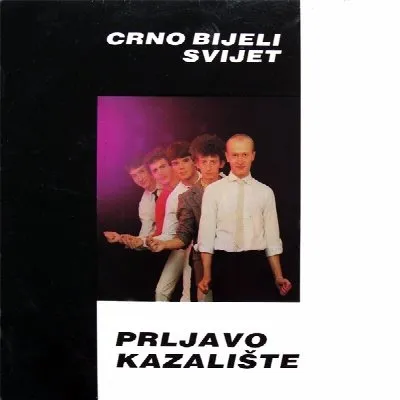
Crno-bijeli svijet
Prljavo kazalište
Pairs brisk new-wave rock with sharp observations of everyday life in the same era.
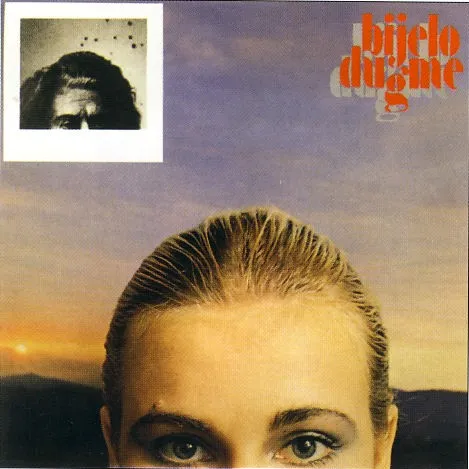
Doživjeti stotu
Bijelo Dugme
Combines forceful rock with pointed social themes and a restless early-'80s Yugoslav edge.
Reference: Wikipedia · MusicBrainz · Wikidata
Sync your library
Everything you track here works immediately — no account needed. Create one when you want to sync across devices.