

Elevation
Our rating, out of 100 — and why.
AI-generated from five scored dimensions. An opinion, not a measurement.
Berlioz’s stark shifts between immense choral force and exposed solo writing give the work unusual scale and lasting depth; this particular recording’s execution is less certain.
What we noticed
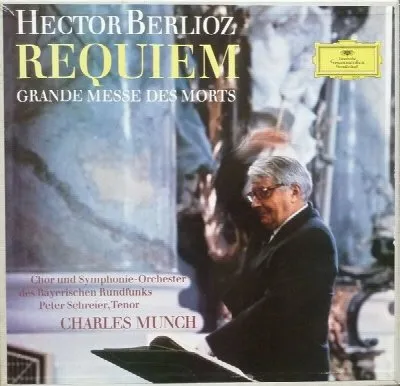
- The ten movements alternate massed choral writing with quieter passages: the Dies Irae erupts in brass, while Quid sum miser pulls back to a more restrained texture.
- The Sanctus gives a tenor solo a long, exposed stretch before the choral forces return; the final Agnus Dei closes the sequence on a sustained, rather than abrupt, release.
- The tracklist follows the Requiem’s full movement order, moving from the opening Requiem et Kyrie through the Agnus Dei without appended material.
- Composition 25% of the score
-
9/10
- Craft 20% of the score
-
6/10
- Durability 25% of the score
-
8/10
- Distinctiveness 18% of the score
-
9/10
- Sequencing 12% of the score
-
9/10
the writing — melody, harmony, structure, lyrics
production, performance, arrangement
whether it rewards returning to it
whether it sounds like itself
running order, pacing, length
Little footprint beyond its audience. Reported but not counted — how far a record travelled describes its reception rather than the record, and a newer release has had less time to travel than an older one.
Tracklist
Best experienced from track one — press play and let it unfold.
Disc 1
- 1 Requiem, op. 5: I. Requiem et Kyrie 11:29
- 2 Requiem, op. 5: II. Dies Irae 12:25
- 3 Requiem, op. 5: III. Quid sum miser 3:25
- 4 Requiem, op. 5: IV. Rex tremendae 5:39
- 5 Requiem, op. 5: V. Quaerens me 4:43
Disc 2
- 1 Requiem, op. 5: VI. Lacrymosa 10:24
- 2 Requiem, op. 5: VII. Offertorium 8:20
- 3 Requiem, op. 5: VIII. Hostias 3:20
- 4 Requiem, op. 5: IX. Sanctus 11:09
- 5 Requiem, op. 5: X. Agnus Dei 11:45

Reference: MusicBrainz
Sync your library
Everything you track here works immediately — no account needed. Create one when you want to sync across devices.