

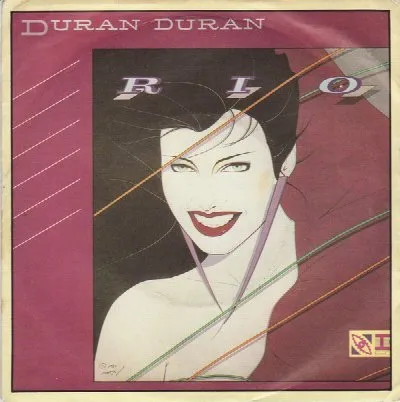
Released 44 years ago this November
Rio
Duran Duran · 1982
15 min · 3 tracks · alternative rock
Slinky bass and bright synthesizers propel a restless dance-pop rush beneath Simon Le Bon’s air of sunlit mystery.
Top tracks — play these first
-
→
Rio (Part 2) — This side puts another portion of the title track’s dance-floor pull at the front of the release, built around the interplay of bass, synth and Le Bon’s vocal.
-
→
Rio (Part 1) — The title song’s bounding bass line and Andy Hamilton’s saxophone give its polished pop a kinetic edge; its chorus turns a woman’s name into a shifting landscape.
-
→
My Own Way — An earlier Rio-era single, it brings a more urgent rhythmic drive to the release and shows how closely Duran Duran’s pop writing was tied to the dance floor.
Elevation
Our rating, out of 100 — and why.
AI-generated from five scored dimensions. An opinion, not a measurement.
The album blends vibrant melodies with synth-driven soundscapes, marking Duran Duran's rise in the early '80s pop scene.
What we noticed
- The album opens with a title track that features a prominent synth riff, establishing its upbeat tone immediately.
- Each song incorporates layered synthesizers and rhythmic guitar work, creating a rich texture throughout the record.
- Several tracks, like 'Hungry Like the Wolf' and 'Save a Prayer', utilize dynamic shifts in intensity, alternating between energetic choruses and more subdued verses.
- The closing track, 'The Chauffeur', departs from the pop sound of earlier songs, featuring a slower tempo and atmospheric instrumentation.
- Composition 25% of the score
-
7/10
- Craft 20% of the score
-
8/10
- Durability 25% of the score
-
7/10
- Distinctiveness 18% of the score
-
8/10
- Sequencing 12% of the score
-
6/10
the writing — melody, harmony, structure, lyrics
production, performance, arrangement
whether it rewards returning to it
whether it sounds like itself
running order, pacing, length
Significant within its genre. Reported but not counted — how far a record travelled describes its reception rather than the record, and a newer release has had less time to travel than an older one.
Where this album fits
- In the catalog
- Breakthrough — Established Duran Duran's international presence and solidified their status in the New Romantic movement.
- Themes
- Brazilian landscapes· New Romantic escapism
- Career context
- This 1982 single came from Duran Duran’s second album, Rio, following their self-titled debut and its UK breakthrough with “Girls on Film.” By the time the title track appeared as a single, the band had already released “Hungry Like the Wolf” and “Save a Prayer” from the album.
- Stylistic neighbors
- Depeche Mode· The Human League· Spandau Ballet
Moments worth listening for
Where the writing does something specific.
-
Rio (Part 1)
The chorus compares its elusive subject to a river winding across a landscape.
The comparison lets a name function simultaneously as a person and a place, keeping the song’s central figure tantalizingly hard to pin down.
Tracklist
Best experienced from track one — press play and let it unfold.
- 1 Rio (Part 2) 5:29
- 2 Rio (Part 1) 5:11
- 3 My Own Way 4:34
What to play next
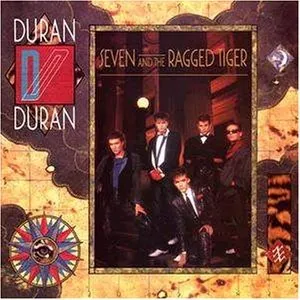
Seven and the Ragged Tiger
1983
Continues the vibrant energy and anthemic sound from Rio.
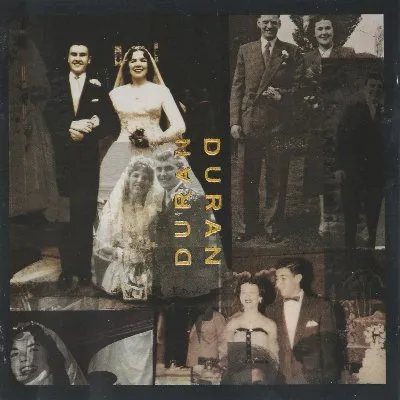
Duran Duran
1993
Sets the stage for the evolution into the more polished sound of Rio.
If this landed
Records by other artists that run on the same instinct.
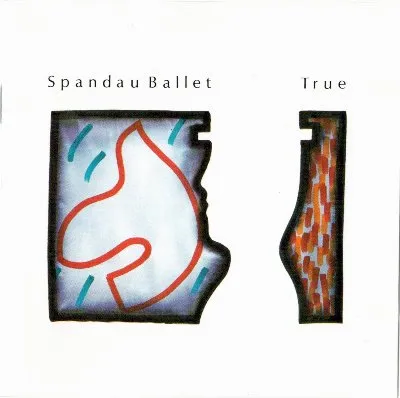
True
Spandau Ballet
Shares vibrant synths and romantic themes, capturing similar New Romantic escapism.
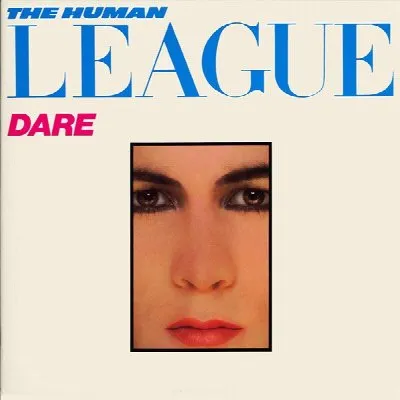
Dare
The Human League
Features lush electronic production and catchy melodies, evoking a similar youthful exuberance.
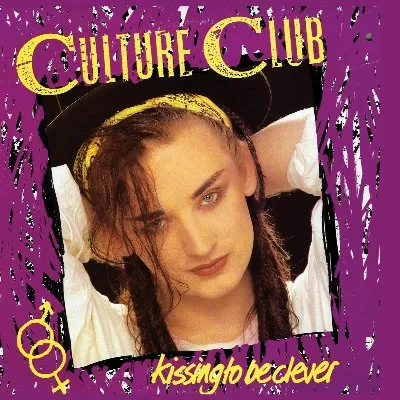
Kissing to Be Clever
Culture Club
Combines art pop and colorful rhythms with themes of love and identity, resonating with Duran Duran's vibe.
Reference: Wikipedia · MusicBrainz · Wikidata
Sync your library
Everything you track here works immediately — no account needed. Create one when you want to sync across devices.