

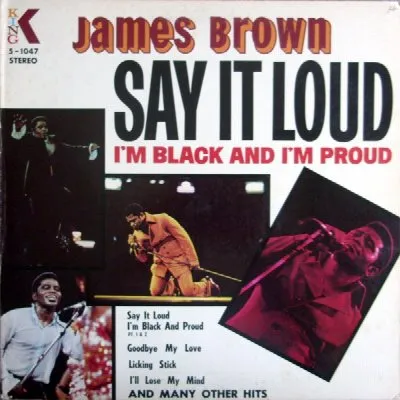
Say It Loud – I'm Black and I'm Proud
James Brown · 1969
31 min · 12 tracks · blues
A children’s chorus turns a clipped funk chant into a collective declaration while soul ballads give the album room to ache.
Top tracks — play these first
-
→
Say It Loud: I’m Black and I’m Proud, Part 1 Start here — A sharp horn figure and insistent groove frame Brown’s exchanges with a children’s chorus, turning the recording into a public call and response.
-
→
Say It Loud: I’m Black and I’m Proud, Part 2 — The single’s second side extends the chant and groove, giving the collective response more space to drive the performance.
-
→
Licking Stick — Its spare, syncopated groove shows how Brown could build tension through rhythmic accents and repetition rather than a densely arranged melody.
-
→
Then You Can Tell Me Goodbye — This slow reading of the farewell song brings the album’s ballad tradition into focus, contrasting sustained vocal phrasing with the clipped attack of its funk cuts.
Elevation
Our rating, out of 100 — and why.
AI-generated from five scored dimensions. An opinion, not a measurement.
The album blends powerful rhythms and social commentary, marking a significant moment in James Brown's career.
What we noticed
- The title track features a call-and-response structure, with Brown's commanding vocals leading the charge against a backdrop of tight horns and rhythmic grooves.
- Several tracks incorporate layered instrumentation, blending funk rhythms with soulful melodies that create a rich sonic texture.
- The album includes both upbeat anthems and slower ballads, with tempo shifts that emphasize the emotional weight of the lyrics.
- Composition 25% of the score
-
8/10
- Craft 20% of the score
-
8/10
- Durability 25% of the score
-
7/10
- Distinctiveness 18% of the score
-
9/10
- Sequencing 12% of the score
-
6/10
the writing — melody, harmony, structure, lyrics
production, performance, arrangement
whether it rewards returning to it
whether it sounds like itself
running order, pacing, length
Defined its genre or moment. Reported but not counted — how far a record travelled describes its reception rather than the record, and a newer release has had less time to travel than an older one.
Is this for you?
Good fit if you like
- short bursts of vibrant energy
- celebratory anthems for empowerment
- catchy hooks for group enjoyment
- nostalgic reflections on love
- positive vibes for social gatherings
Maybe skip if you
- slow, introspective listening preference
- long, drawn-out musical explorations
Where this album fits
- In the catalog
- Breakthrough — This album solidified Brown's influence, becoming an anthem for the Black Power movement.
- Themes
- Black pride movement· civil rights anthems· cultural identity celebration
- Career context
- Released in 1969, the album followed the 1968 single that became one of James Brown’s defining public statements. It arrived after years of R&B hits and alongside his increasingly rhythm-centered funk recordings, while retaining the ballad singing that had anchored his earlier career.
- Stylistic neighbors
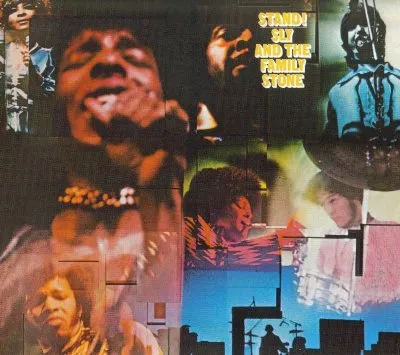
- Prince· Sly and the Family Stone· Parliament-Funkadelic
Tracklist
- 1 Say It Loud: I’m Black and I’m Proud, Part 1 Start here 2:46
- 2 Say It Loud: I’m Black and I’m Proud, Part 2 2:06
- 3 I Guess I’ll Have to Cry, Cry, Cry 3:37
- 4 Goodbye My Love, Part 1
- 5 Goodbye My Love, Part 2
- 6 Shades of Brown 2:48
- 7 Licking Stick 2:55
- 8 I Love You 3:36
- 9 Then You Can Tell Me Goodbye 3:55
- 10 Let Them Talk 4:04
- 11 Maybe I’ll Understand 3:20
- 12 I’ll Lose My Mind 2:44
What to play next
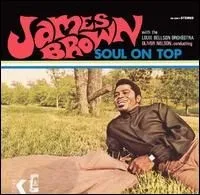
Soul on Top
1970
Continues the themes of identity and empowerment with a new jazz-infused sound.
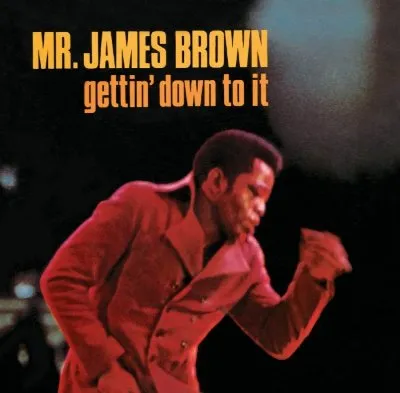
Gettin' Down to It
1969
Sets the stage with a strong funk foundation leading into the boldness of the current album.
If this landed
Records by other artists that run on the same instinct.
Reference: Wikipedia · MusicBrainz · Wikidata
Sync your library
Everything you track here works immediately — no account needed. Create one when you want to sync across devices.