


Seal
Seal · 1991
52 min · 9 tracks · contemporary R&B
Seal’s grainy voice moves through Trevor Horn’s expansive electronic production, where club rhythms open into vast spaces.
Top tracks — play these first
-
→
The Beginning Start here — establishes the sonic palette early
-
→
Crazy — A restless electronic pulse carries a vocal that shifts between intimate phrasing and an open-throated chorus. Its tension between uncertainty and resolve helped introduce Seal to an international pop audience.
-
→
Killer — This album version revisits Seal’s breakthrough with Adamski, stretching the dance-floor urgency into a more spacious Trevor Horn production. Seal’s commanding vocal keeps the track’s social plea at its center.
-
→
Future Love Paradise — Its rhythmic momentum and bright electronic textures frame a vision of social division overcome. The song shows how the album turns dance music’s forward motion toward an explicitly hopeful message.
-
→
Violet — The closing track takes its time, moving from restraint toward a sweeping vocal climax. Its long form gives the album room to end on a more contemplative scale than its singles suggest.
Elevation
Our rating, out of 100 — and why.
AI-generated from five scored dimensions. An opinion, not a measurement.
Seal's debut showcases strong songwriting and production, blending genres effectively while maintaining a distinct sound.
What we noticed
- The album opens with a brief instrumental track that sets a moody tone before transitioning into the more upbeat 'Crazy'.
- Several tracks feature layered vocal harmonies, with Seal's lead vocals often accompanied by backing vocals that create a rich texture.
- The production incorporates electronic elements alongside traditional R&B instrumentation, blending synths and live instruments throughout.
- The pacing varies significantly, with some tracks like 'Killer' maintaining a steady groove while others like 'Whirlpool' slow down for introspection.
- Composition 25% of the score
-
7/10
- Craft 20% of the score
-
8/10
- Durability 25% of the score
-
6/10
- Distinctiveness 18% of the score
-
7/10
- Sequencing 12% of the score
-
6/10
the writing — melody, harmony, structure, lyrics
production, performance, arrangement
whether it rewards returning to it
whether it sounds like itself
running order, pacing, length
Significant within its genre. Reported but not counted — how far a record travelled describes its reception rather than the record, and a newer release has had less time to travel than an older one.
Is this for you?
Good fit if you like
- steady, consistent energy levels
- atmospheric background focus
- long, immersive listening sessions
- dynamic emotional journeys
Where this album fits
- In the catalog
- Breakthrough — Established Seal's reputation with hits like 'Crazy' and showcased his unique sound.
- Themes
- 1991 house-club pulse· deep-water imagery· Killer's street violence
- Career context
- Seal’s 1991 debut album arrived after his vocal on Adamski’s 1990 UK number-one single “Killer” introduced him to a wide audience. Working with producer Trevor Horn, he re-recorded “Killer” for an album that placed his voice in a more expansive setting.
- Stylistic neighbors
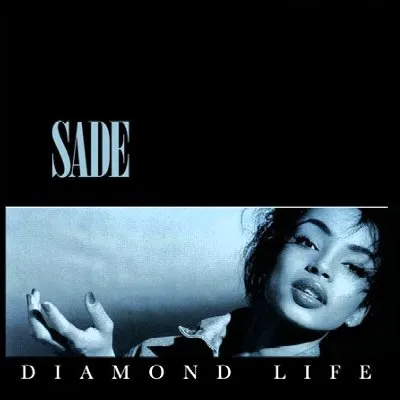
- Simply Red· Lisa Stansfield· Sade
Moments worth listening for
Where the writing does something specific.
-
Crazy
The chorus makes survival conditional on a willingness to step outside conventional sanity, then returns to that condition as a refrain.
The conditional construction turns an abstract idea into a compact proposition that gains force through repetition.
Tracklist
- 1 The Beginning Start here 5:40
- 2 Deep Water 5:57
- 3 Crazy 5:56
- 4 Killer 6:22
- 5 Whirlpool 3:58
- 6 Future Love Paradise 4:20
- 7 Wild 5:28
- 8 Show Me 5:59
- 9 Violet 8:30


If this landed
Records by other artists that run on the same instinct.
Reference: Wikipedia · MusicBrainz · Wikidata
Sync your library
Everything you track here works immediately — no account needed. Create one when you want to sync across devices.