

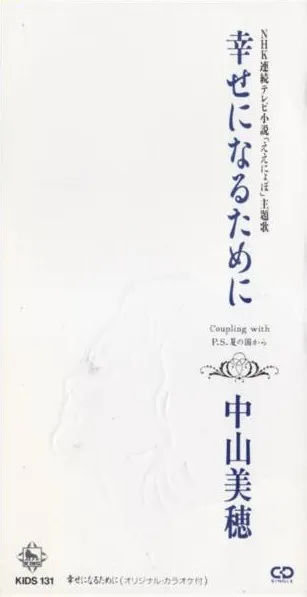
Shiawase ni Naru Tame ni
Miho Nakayama · 1993
14 min · 3 tracks · J-pop
Nakayama’s clear vocal carries a gentle J-pop ballad toward an openly hopeful refrain.
Top tracks — play these first
-
→
幸せになるために — The lead song’s measured ballad arrangement gives Nakayama’s vocal room to carry its hopeful message; its television association also makes it the single’s central cultural reference point.
-
→
P.S. 夏の国から — The B-side offers a contrast to the lead ballad, framing its summer setting as a postscript rather than a grand declaration.
-
→
幸せになるために(オリジナル・カラオケ) — The original karaoke version removes the lead vocal, letting listeners follow the accompaniment and the melodic spaces Nakayama occupies on the main recording.
Elevation
Our rating, out of 100 — and why.
AI-generated from five scored dimensions. An opinion, not a measurement.
InstrumentalThe album showcases catchy melodies and varied tempos but remains conventional within its genre.
What we noticed
- The title track opens with a bright, upbeat tempo and features layered vocal harmonies that create a sense of warmth.
- The second track shifts to a more reflective tone, incorporating softer instrumentation and a slower pace.
- The final track is an instrumental karaoke version of the title track, providing a contrast to the vocal performances.
- Composition 25% of the score
-
6/10
- Craft 20% of the score
-
7/10
- Durability 25% of the score
-
5/10
- Distinctiveness 18% of the score
-
5/10
- Sequencing 12% of the score
-
6/10
the writing — melody, harmony, structure, lyrics
production, performance, arrangement
whether it rewards returning to it
whether it sounds like itself
running order, pacing, length
Known within its scene. Reported but not counted — how far a record travelled describes its reception rather than the record, and a newer release has had less time to travel than an older one.
Where this album fits
- In the catalog
- Breakthrough — This album solidified Nakayama's status with a hit title track during her peak popularity.
- Themes
- 1990s Japanese pop optimism· summer-country nostalgia· karaoke sing-alongs
- Career context
- Released in April 1993, “Shiawase ni Naru Tame ni” is a single rather than a full-length album. It followed Nakayama’s 1992 collaboration with Wands, “Sekaijū no Dare Yori Kitto,” which had brought her a major chart success.
- Stylistic neighbors
- Akiko Yano· Chara· Kenshi Yonezu
Moments worth listening for
Where the writing does something specific.
-
幸せになるために
The refrain returns to the idea of seeking happiness.
Repetition gives the ballad a clear point of return rather than treating happiness as a conclusion reached only at the end.
Tracklist
Best experienced from track one — press play and let it unfold.
- 1 幸せになるために 4:18
- 2 P.S. 夏の国から 5:46
- 3 幸せになるために(オリジナル・カラオケ) 4:17
What to play next
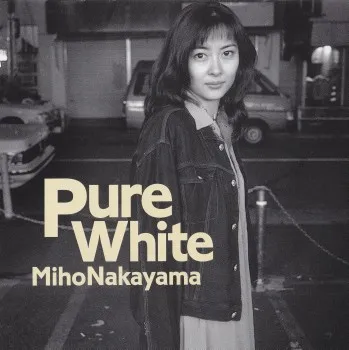
Pure White
1994
Its polished, melodic J-pop carries the current album’s warmth into a more mature, reflective sound.
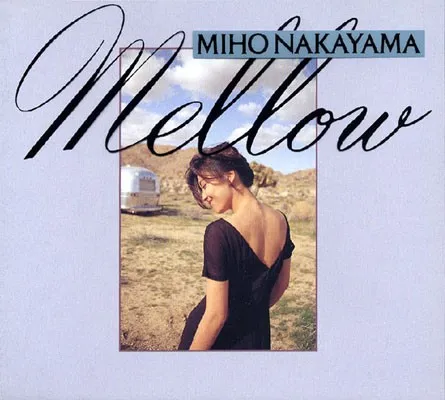
Mellow
1992
Its softer, more introspective pop provides a natural lead-in to the current album’s brighter melodic feel.
Reference: Wikipedia · MusicBrainz · Wikidata
Sync your library
Everything you track here works immediately — no account needed. Create one when you want to sync across devices.