


Top tracks — play these first
-
→
Si scrive schiavitù si legge libertà — This opening track sets the tone for the album with its bold critique of societal norms, blending catchy hooks with incisive lyrics that challenge listeners.
-
→
Polaroid — In 'Polaroid,' Fedez explores themes of nostalgia and fleeting moments, using vivid imagery and relatable storytelling to connect emotionally with his audience.
-
→
Cigno nero — 'Cigno nero' showcases Fedez's unique ability to merge introspective lyrics with an engaging melody, highlighting his growth as both a lyricist and performer.
-
→
Milano bene — 'Milano bene' captures the essence of urban life in Milan, offering a glimpse into the contradictions of wealth and struggle within the city through clever wordplay.
Elevation
Our rating, out of 100 — and why.
AI-generated from five scored dimensions. An opinion, not a measurement.
Sharp satire and pop-leaning hooks give the writing a clear identity, but the 19-track length loosens the pacing and leaves some material less memorable on return.
What we noticed
- “Cigno nero” pairs Fedez’s rap verses with Francesca Michielin’s sung refrain, making the vocal contrast part of the song’s structure.
- The 19-track sequence opens with “Si scrive schiavitù si legge libertà” and closes with the title track, framing the record with its social and personal themes.
- The early run moves from the satirical “Alfonso Signorini (eroe nazionale)” to the melodic duet “Cigno nero,” then back to the more direct “Signorsì.”
- Composition 25% of the score
-
6/10
- Craft 20% of the score
-
7/10
- Durability 25% of the score
-
5/10
- Distinctiveness 18% of the score
-
6/10
- Sequencing 12% of the score
-
5/10
the writing — melody, harmony, structure, lyrics
production, performance, arrangement
whether it rewards returning to it
whether it sounds like itself
running order, pacing, length
Significant within its genre. Reported but not counted — how far a record travelled describes its reception rather than the record, and a newer release has had less time to travel than an older one.
Is this for you?
Good fit if you like
- steady mid-tempo enjoyment
- sharp lyrics paired with hooks
- contemporary reflections on life
- for casual gatherings
- engaging narrative throughout tracks
Maybe skip if you
- prefer instant gratification tracks
- seek lengthy immersive experiences
Where this album fits
- Career context
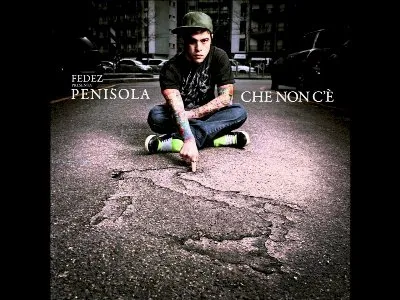
- Released on March 5, 2013, 'L'arte di accontentare' was Fedez's second studio album, following his breakthrough debut, 'Penisola che non c'è'. At this point in his career, Fedez was transitioning from an underground artist to a mainstream figure in the Italian music scene, showcasing his lyrical prowess and commercial appeal.
Tracklist
Best experienced from track one — press play and let it unfold.
- 1 Si scrive schiavitù si legge libertà 3:10
- 2 Polaroid 3:18
- 3 Alfonso Signorini (eroe nazionale) 3:15
- 4 Cigno nero 3:21
- 5 Signorsì 3:21
- 6 Non ci pensi mai 3:46
- 7 Sembra semplice 3:54
- 8 Pensavo fosse amore e invece... 4:24
- 9 Nel mio piccolo 3:32
- 10 Mentine 3:15
- 11 Single a vita 3:14
- 12 Presa bene (ogni tanto) 3:29
- 13 Psichedelico 2:53
- 14 Milano bene 3:44
- 15 Ragazza sbagliata 2:56
- 16 Dai cazzo Federico 3:14
- 17 Santa Madonna 2:58
- 18 Faccio brutto 3:37
- 19 L'arte di accontentare 3:50

Reference: MusicBrainz · Wikidata
Sync your library
Everything you track here works immediately — no account needed. Create one when you want to sync across devices.