

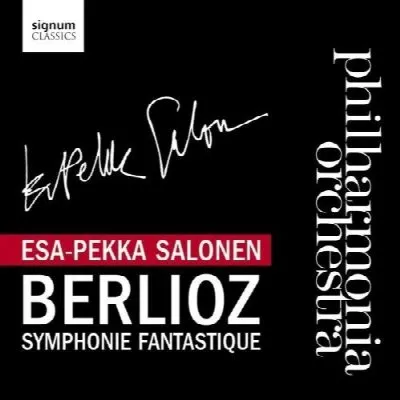
Elevation
Our rating, out of 100 — and why.
AI-generated from five scored dimensions. An opinion, not a measurement.
InstrumentalBerlioz’s recurring theme and sharply differentiated movement designs reward return listening; the appended overture slightly weakens the album’s final shape.
What we noticed
- The first movement introduces the idée fixe, which returns in altered orchestral colors across the later movements.
- The third movement sustains a pastoral dialogue before distant timpani suggest an approaching storm; the fourth then replaces that space with a march.
- The fifth movement drives from the witches’ gathering into the Dies irae and a faster sabbath dance, ending the symphony before the separate Leonore No. 2 overture begins.
- Composition 25% of the score
-
9/10
- Craft 20% of the score
-
8/10
- Durability 25% of the score
-
8/10
- Distinctiveness 18% of the score
-
7/10
- Sequencing 12% of the score
-
7/10
the writing — melody, harmony, structure, lyrics
production, performance, arrangement
whether it rewards returning to it
whether it sounds like itself
running order, pacing, length
Little footprint beyond its audience. Reported but not counted — how far a record travelled describes its reception rather than the record, and a newer release has had less time to travel than an older one.
Tracklist
Best experienced from track one — press play and let it unfold.
- 1 Symphonie fantastique: I. Rêveries, Passions: Largo - Allegro agitato 13:55
- 2 Symphonie fantastique: II. Un bal: Valse allegro non troppo 6:22
- 3 Symphonie fantastique: III. Scène aux champs: Adagio 16:59
- 4 Symphonie fantastique: IV. Marche au supplice: Allegretto non troppo 4:38
- 5 Symphonie fantastique: V. Songe d'une nuit de Sabbat: Larghetto - Allegro - Ronde du Sabbat 10:13
- 6 Overture, Leonore no. 2, op. 72b 15:02
Reference: MusicBrainz
Sync your library
Everything you track here works immediately — no account needed. Create one when you want to sync across devices.