

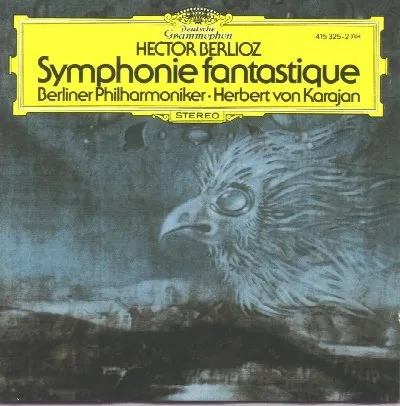
Elevation
Our rating, out of 100 — and why.
AI-generated from five scored dimensions. An opinion, not a measurement.
InstrumentalBerlioz’s recurring idée fixe and staged five-movement arc give the performance lasting structural depth; this particular recording has limited reach beyond the work’s established…
What we noticed
- The five movements move from the opening idée fixe through a waltz and a slow pastoral scene to a march and a witches’ Sabbath, making the sequence a clear escalation.
- The idée fixe returns in altered settings; in the finale, the Dies irae chant is set against the witches’ round dance.
- The long pastoral movement pauses the forward drive before the short, forceful march and the more crowded finale.
- Composition 25% of the score
-
9/10
- Craft 20% of the score
-
8/10
- Durability 25% of the score
-
8/10
- Distinctiveness 18% of the score
-
7/10
- Sequencing 12% of the score
-
9/10
the writing — melody, harmony, structure, lyrics
production, performance, arrangement
whether it rewards returning to it
whether it sounds like itself
running order, pacing, length
Known within its scene. Reported but not counted — how far a record travelled describes its reception rather than the record, and a newer release has had less time to travel than an older one.
Tracklist
Best experienced from track one — press play and let it unfold.
- 1 Symphonie fantastique, op. 14: I. Rêveries — Passions 14:26
- 2 Symphonie fantastique, op. 14: II. Un bal 6:19
- 3 Symphonie fantastique, op. 14: III. Scène aux champs 16:45
- 4 Symphonie fantastique, op. 14: IV. Marche au supplice 4:37
- 5 Symphonie fantastique, op. 14: V. Songe d'une nuit du Sabbat 10:46
Reference: MusicBrainz
Sync your library
Everything you track here works immediately — no account needed. Create one when you want to sync across devices.