

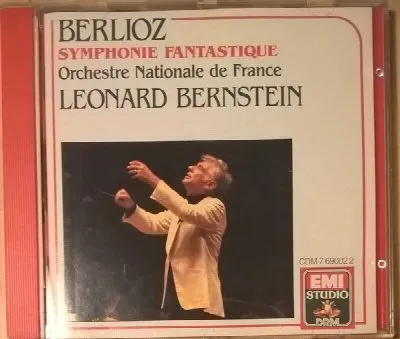
Elevation
Our rating, out of 100 — and why.
AI-generated from five scored dimensions. An opinion, not a measurement.
InstrumentalIts recurring theme and increasingly macabre transformations give the five movements a strong narrative arc; the orchestral writing remains rewarding on repeat plays.
What we noticed
- The five movements trace a recurring idée fixe: its melody returns in altered settings, from the ballroom to the final witches’ gathering.
- The third movement stretches into a quiet pastoral scene, with an offstage oboe call answered by the orchestra before the movement’s distant thunder.
- The finale turns the Dies irae into a recurring bass theme, then layers it with the idée fixe and a fast, crowded orchestral climax.
- Composition 25% of the score
-
9/10
- Craft 20% of the score
-
8/10
- Durability 25% of the score
-
8/10
- Distinctiveness 18% of the score
-
7/10
- Sequencing 12% of the score
-
9/10
the writing — melody, harmony, structure, lyrics
production, performance, arrangement
whether it rewards returning to it
whether it sounds like itself
running order, pacing, length
Known within its scene. Reported but not counted — how far a record travelled describes its reception rather than the record, and a newer release has had less time to travel than an older one.
Tracklist
Best experienced from track one — press play and let it unfold.
- 1 Symphonie fantastique, op. 14: I. Rêveries. Largo – Allegro agitato e appassionata assai 13:42
- 2 Symphonie fantastique, op. 14: II. Un bal. Allegro non troppo 6:56
- 3 Symphonie fantastique, op. 14: III. Scène aux champs. Adagio 16:33
- 4 Symphonie fantastique, op. 14: IV. Marche au supplice. Allegro non troppo 4:54
- 5 Symphonie fantastique, op. 14: V. Songe d’une nuit du Sabbat. Larghetto – Allegro 10:06
What to play next

La Création du monde / Le Bœuf sur le toit / Saudades do Brasil
1987
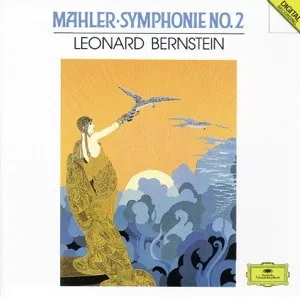
Mahler: Symphony No. 2 “Resurrection”
1987
Reference: MusicBrainz
Sync your library
Everything you track here works immediately — no account needed. Create one when you want to sync across devices.