

Elevation
Our rating, out of 100 — and why.
AI-generated from five scored dimensions. An opinion, not a measurement.
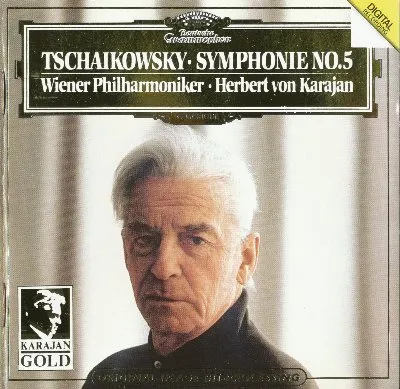
InstrumentalThe recurring motto and carefully staged finale give the four-movement arc real unity; Karajan’s polished, expansive reading is rewarding, though not unusually individual.
What we noticed
- A dark clarinet motto opens the first movement, then returns in altered form across the symphony, including the finale’s shift from minor-key tension to a major-key march.
- The second movement gives its long-breathed melody first to the horn; the third replaces a conventional scherzo with a lilting waltz.
- Karajan’s broad, blended string sound keeps the lyrical passages smooth, while the finale tightens into a fast, weighty close.
- Composition 25% of the score
-
9/10
- Craft 20% of the score
-
8/10
- Durability 25% of the score
-
8/10
- Distinctiveness 18% of the score
-
7/10
- Sequencing 12% of the score
-
9/10
the writing — melody, harmony, structure, lyrics
production, performance, arrangement
whether it rewards returning to it
whether it sounds like itself
running order, pacing, length
Known within its scene. Reported but not counted — how far a record travelled describes its reception rather than the record, and a newer release has had less time to travel than an older one.
Tracklist
Best experienced from track one — press play and let it unfold.
- 1 Symphonie no. 5 e-Moll, op. 64: I. Andante – Allegro con anima 15:53
- 2 Symphonie no. 5 e-Moll, op. 64: II. Andante cantabile, con alcuna licenza – Moderato con anima – Andante mosso – Allegro non troppo – Tempo I 13:39
- 3 Symphonie no. 5 e-Moll, op. 64: III. Valse. Allegro moderato 6:30
- 4 Symphonie no. 5 e-Moll, op. 64: IV. Finale. Andante maestoso – Allegro vivace – Molto vivace – Moderato assai e molto maestoso – Presto 11:59
Reference: MusicBrainz
Sync your library
Everything you track here works immediately — no account needed. Create one when you want to sync across devices.