

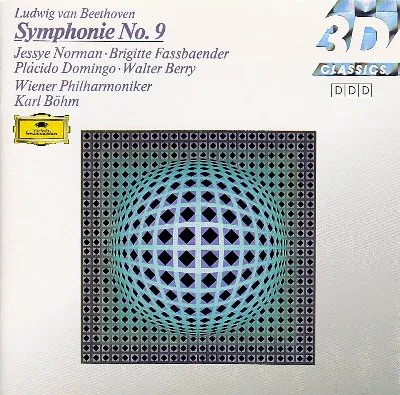
Elevation
Our rating, out of 100 — and why.
AI-generated from five scored dimensions. An opinion, not a measurement.
The symphony’s tightly differentiated movements and the finale’s gradual turn from orchestral argument to chorus reward repeated listening; the catalog’s finale duplication clouds…
What we noticed
- The first three movements move from a long, weighty opening to a scherzo, then a sustained slow movement before the finale changes the scale of the piece.
- In the finale, low strings interrupt the opening orchestral material with recitative-like phrases; the vocal soloists and chorus enter only after that sequence.
- The catalog lists the finale twice, once as a full movement and again from its vocal entry, so the five-track sequence may reflect a split or duplicate rather than the original running order.
- Composition 25% of the score
-
10/10
- Craft 20% of the score
-
8/10
- Durability 25% of the score
-
9/10
- Distinctiveness 18% of the score
-
6/10
- Sequencing 12% of the score
-
8/10
the writing — melody, harmony, structure, lyrics
production, performance, arrangement
whether it rewards returning to it
whether it sounds like itself
running order, pacing, length
Significant within its genre. Reported but not counted — how far a record travelled describes its reception rather than the record, and a newer release has had less time to travel than an older one.
Tracklist
Best experienced from track one — press play and let it unfold.
- 1 Symphony no. 9 in D minor, op. 125: I. Allegro ma non troppo, un poco maestoso 18:44
- 2 Symphony no. 9 in D minor, op. 125: II. Molto vivace 13:22
- 3 Symphony no. 9 in D minor, op. 125: III. Adagio molto e cantabile 18:19
- 4 Symphony no. 9 in D minor, op. 125: IV. Presto 7:30
- 5 Symphony no. 9 in D minor, op. 125: IV. Presto – “O Freunde, nicht diese Töne!” – Allegro assai 21:06
Reference: MusicBrainz
Sync your library
Everything you track here works immediately — no account needed. Create one when you want to sync across devices.