

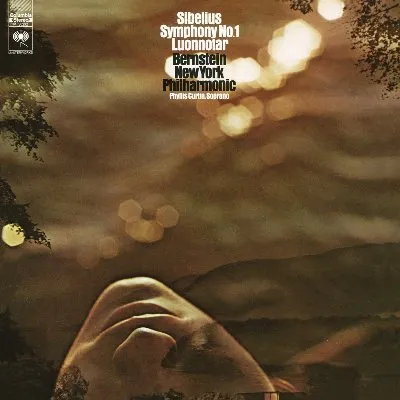
Elevation
Our rating, out of 100 — and why.
AI-generated from five scored dimensions. An opinion, not a measurement.
The symphony’s evolving themes and forceful finale make a strong arc; Luonnotar adds a sharply contrasting vocal work after that arc has already closed.
What we noticed
- The symphony opens with a clarinet line exposed over tremolo strings, then expands into an urgent first movement rather than beginning with a full orchestral statement.
- Its four movements move from that driven opening through a slower second movement and scherzo to a finale that starts in a lyrical, spacious mode before gathering force.
- After the symphony’s large-scale close, Luonnotar shifts to soprano and orchestra, with the solo voice pushed into a demanding, high-register part.
- Composition 25% of the score
-
8/10
- Craft 20% of the score
-
8/10
- Durability 25% of the score
-
8/10
- Distinctiveness 18% of the score
-
7/10
- Sequencing 12% of the score
-
7/10
the writing — melody, harmony, structure, lyrics
production, performance, arrangement
whether it rewards returning to it
whether it sounds like itself
running order, pacing, length
Known within its scene. Reported but not counted — how far a record travelled describes its reception rather than the record, and a newer release has had less time to travel than an older one.
Tracklist
Best experienced from track one — press play and let it unfold.
- 1 Symphony no. 1 in E minor, op. 39: Andante ma non troppo - Allegro energico 10:21
- 2 Symphony no. 1 in E minor, op. 39: Andante 9:12
- 3 Symphony no. 1 in E minor, op. 39: Scherzo: Allegro 5:00
- 4 Symphony no. 1 in E minor, op. 39: Finale: Quasi una fantasia 11:53
- 5 Luonnotar, op. 70 8:03
What to play next
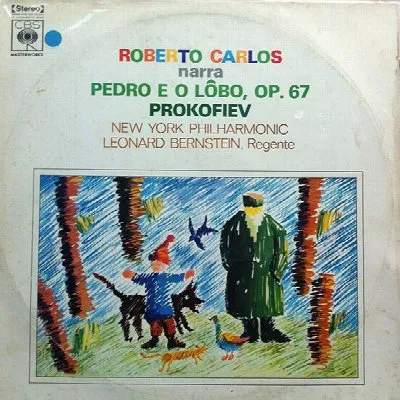
Pedro e o Lôbo, op. 67
1970
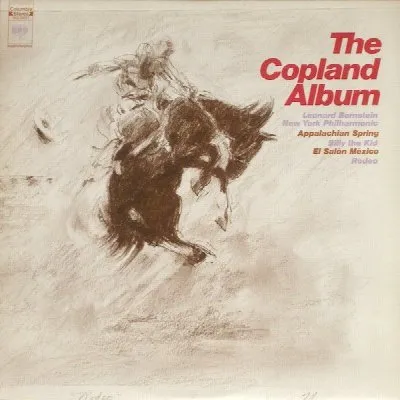
The Copland Album: Appalachian Spring / Billy the Kid / El Salón México / Rodeo
1970
Reference: MusicBrainz
Sync your library
Everything you track here works immediately — no account needed. Create one when you want to sync across devices.