

Elevation
Our rating, out of 100 — and why.
AI-generated from five scored dimensions. An opinion, not a measurement.
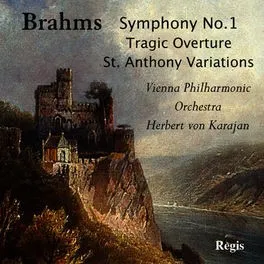
InstrumentalBrahms’s long-range symphonic writing gives the performance lasting depth; the overture works as a substantial companion, though not as a necessary final movement.
What we noticed
- The symphony’s first movement moves from a weighty, slow introduction into a more driven Allegro, with the opening’s tension carried into the faster section.
- The third movement’s light, lilting pace interrupts the weight of the outer movements; the finale then builds from a slow opening toward a broad brass chorale.
- The Tragic Overture follows the four-movement symphony as a separate, shorter dramatic statement rather than extending its resolution.
- Composition 25% of the score
-
9/10
- Craft 20% of the score
-
8/10
- Durability 25% of the score
-
8/10
- Distinctiveness 18% of the score
-
6/10
- Sequencing 12% of the score
-
7/10
the writing — melody, harmony, structure, lyrics
production, performance, arrangement
whether it rewards returning to it
whether it sounds like itself
running order, pacing, length
Known within its scene. Reported but not counted — how far a record travelled describes its reception rather than the record, and a newer release has had less time to travel than an older one.
Tracklist
Best experienced from track one — press play and let it unfold.
- 1 Symphony no. 1 in C minor, op. 68: I. Un poco sostenuto - Allegro 13:55
- 2 Symphony no. 1 in C minor, op. 68: II. Andante sostenuto 9:15
- 3 Symphony no. 1 in C minor, op. 68: III. Un poco allegretto e grazioso 4:57
- 4 Symphony no. 1 in C minor, op. 68: IV. Adagio - Allegro non troppo, ma con brio 17:41
- 5 Tragic Overture in D minor, op. 81 14:09
Reference: MusicBrainz
Sync your library
Everything you track here works immediately — no account needed. Create one when you want to sync across devices.