

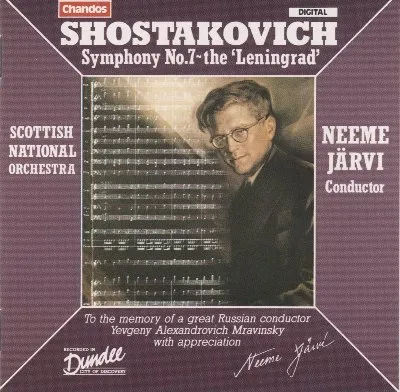
Elevation
Our rating, out of 100 — and why.
AI-generated from five scored dimensions. An opinion, not a measurement.
InstrumentalThe recurring march, abrupt shifts in scale, and long return to earlier material make a demanding, sustained symphonic argument; this edition’s performance quality is not identifi…
What we noticed
- The first movement’s quiet, repeated march figure returns in successive orchestral variations, growing louder and denser before a violent climax.
- The scherzo and slow third movement interrupt that large-scale build; the third ends with an attacca into the finale.
- The finale moves from tense, episodic passages toward a brass-led coda that recalls the symphony’s earlier material.
- Composition 25% of the score
-
9/10
- Craft 20% of the score
-
6/10
- Durability 25% of the score
-
8/10
- Distinctiveness 18% of the score
-
8/10
- Sequencing 12% of the score
-
8/10
the writing — melody, harmony, structure, lyrics
production, performance, arrangement
whether it rewards returning to it
whether it sounds like itself
running order, pacing, length
Defined its genre or moment. Reported but not counted — how far a record travelled describes its reception rather than the record, and a newer release has had less time to travel than an older one.
Tracklist
Best experienced from track one — press play and let it unfold.
- 1 Symphony no. 7 in C major, op. 60 "Leningrad": I. Allegretto 25:30
- 2 Symphony no. 7 in C major, op. 60 "Leningrad": II. Moderato (poco allegretto) 11:03
- 3 Symphony no. 7 in C major, op. 60 "Leningrad": III. Adagio – attacca 17:03
- 4 Symphony no. 7 in C major, op. 60 "Leningrad": IV. Allegro non troppo 15:18
What to play next
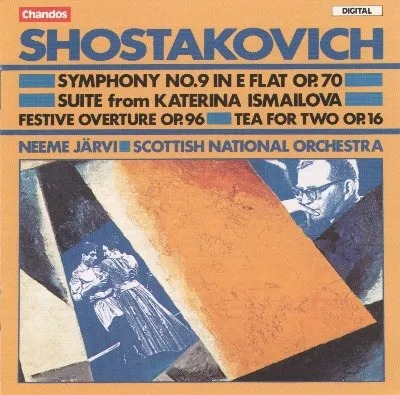
Symphony no. 9 in E-flat, op. 70 / Suite from Katerina Ismailova / Festive Overture, op. 96 / Tea for Two, op. 16
1988
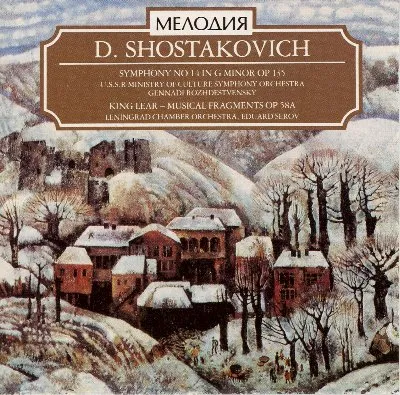
Symphony no. 14 in G minor, op. 135 / King Lear - musical fragments, op. 58a
1988
Reference: MusicBrainz
Sync your library
Everything you track here works immediately — no account needed. Create one when you want to sync across devices.