

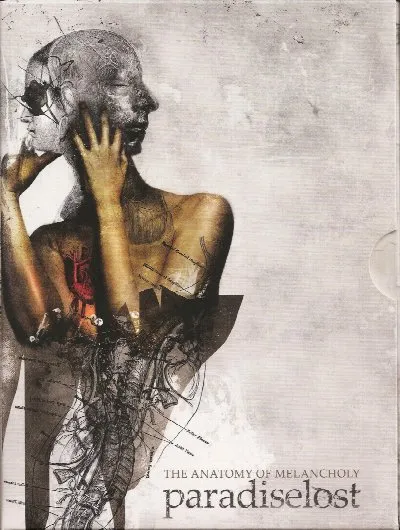
The Anatomy of Melancholy
Paradise Lost · 2008
88 min · 21 tracks · doom metal
A haunting blend of gothic melodies and crushing doom riffs that evoke profound feelings of loss and introspection.
Top tracks — play these first
-
→
The Enemy Start here — This track encapsulates the album's themes of isolation and despair, featuring a powerful blend of heavy instrumentation and haunting vocals that set the tone for the entire record.
-
→
So Much Is Lost — With its poignant lyrics and emotional delivery, this song highlights the band's ability to convey deep sorrow through both music and vocals, making it a standout piece.
-
→
Forever Failure — This track features a compelling juxtaposition of melodic passages against heavy riffs, showcasing the band's mastery at blending beauty with darkness.
Elevation
Our rating, out of 100 — and why.
AI-generated from five scored dimensions. An opinion, not a measurement.
The album effectively blends melodic elements with doom metal, showcasing strong craftsmanship and emotional depth.
What we noticed
- The album opens with a brief instrumental intro that sets a dark tone, followed by a sequence of tracks that maintain a mid to slow tempo throughout.
- Many tracks feature layered guitar harmonies and contrasting clean and harsh vocals, creating a dynamic interplay between melody and heaviness.
- Several songs incorporate atmospheric interludes that provide moments of reflection, often leading into heavier sections that emphasize the emotional weight of the lyrics.
- Composition 25% of the score
-
7/10
- Craft 20% of the score
-
8/10
- Durability 25% of the score
-
6/10
- Distinctiveness 18% of the score
-
6/10
- Sequencing 12% of the score
-
7/10
the writing — melody, harmony, structure, lyrics
production, performance, arrangement
whether it rewards returning to it
whether it sounds like itself
running order, pacing, length
Known within its scene. Reported but not counted — how far a record travelled describes its reception rather than the record, and a newer release has had less time to travel than an older one.
Is this for you?
Good fit if you like
- wave-like pacing for introspection
- haunting melodies for deep reflection
- dynamic exploration of themes
- for late-night solitude
Maybe skip if you
- seekers of instant gratification
- prefer upbeat and lively tracks
Where this album fits
- In the catalog
- Critical Peak — Represents a return to earlier sound with critical acclaim and significant melodic exploration.
- Themes
- gothic isolation· crushing despair· melodic sorrow
- Career context
- The Anatomy of Melancholy, released in 2008, is Paradise Lost's ninth studio album, following their 2005 release, In Requiem. At this point in their career, the band was exploring a more melodic sound while maintaining their signature dark themes, marking a return to their roots after experimenting with different styles in the early 2000s.
- Stylistic neighbors
- My Dying Bride· Anathema· Cathedral
Tracklist
Disc 1
- 1 Intro 0:59
- 2 The Enemy Start here 3:50
- 3 Grey 3:47
- 4 Erased 4:07
- 5 Red Shift 3:35
- 6 So Much Is Lost 4:33
- 7 Sweetness 4:51
- 8 Praise Lamented Shade 4:04
- 9 Pity the Sadness 5:32
- 10 Forever Failure 4:42
- 11 Once Solemn 3:27
- 12 As I Die 4:01
Disc 2
- 1 Embers Fire 5:29
- 2 Mouth 3:46
- 3 No Celebration 3:54
- 4 Eternal 4:15
- 5 True Belief 4:47
- 6 One Second 3:42
- 7 The Last Time 4:22
- 8 Gothic 5:44
- 9 Say Just Words 4:35
What to play next
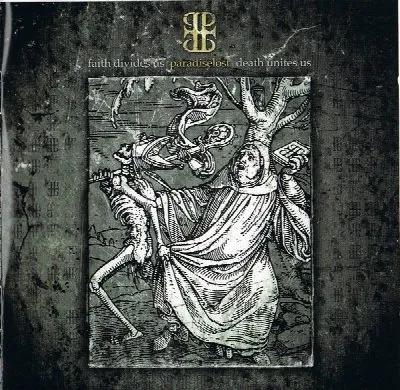
Faith Divides Us – Death Unites Us
2009
Continues the gothic sound and introspective themes with a modern twist.
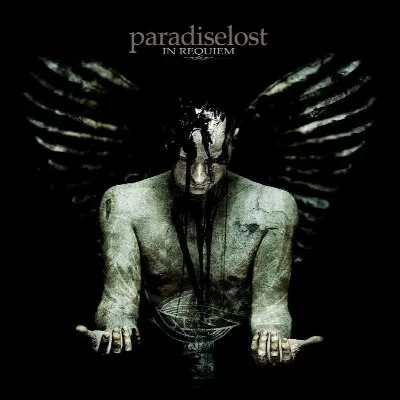
In Requiem
2007
Sets the stage for the deep emotional exploration found in the current album.
If this landed
Records by other artists that run on the same instinct.
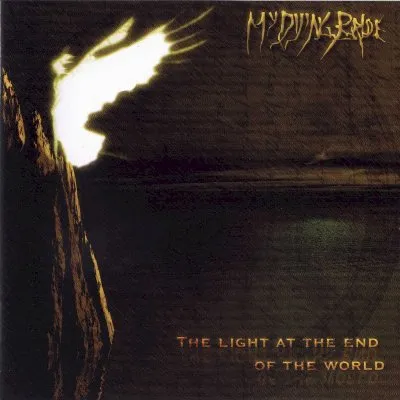
The Light at the End of the World
My Dying Bride
Shares a similar blend of gothic melodies and despairing themes, with a focus on introspection.
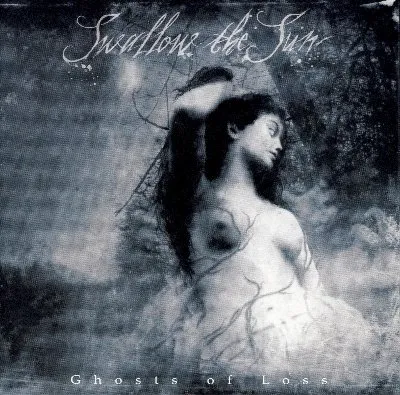
Ghosts of Loss
Swallow the Sun
Captures a haunting atmosphere with melodic doom, reflecting themes of sorrow and isolation.
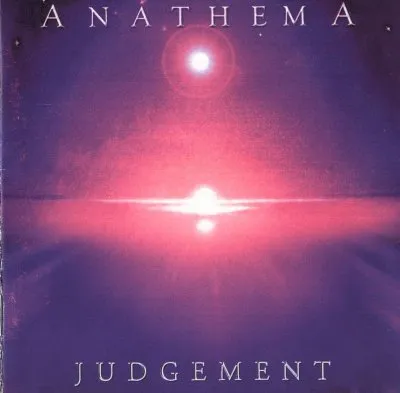
Judgement
Anathema
Explores emotional depth with melodic arrangements, resonating with themes of loss and melancholy.
Reference: Wikipedia · MusicBrainz · Wikidata
Sync your library
Everything you track here works immediately — no account needed. Create one when you want to sync across devices.