

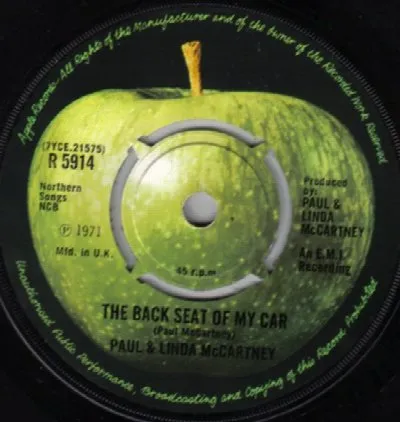
The Back Seat of My Car
Paul McCartney · 1971
6 min · 2 tracks · classical music
A pastoral blend of melodic pop and intricate arrangements, capturing a sense of freedom and wistfulness in its storytelling.
Top tracks — play these first
-
→
The Back Seat of My Car — The title track encapsulates the album's thematic exploration of youthful romance and freedom through its sweeping melodies and vivid storytelling.
-
→
Heart of the Country — This track showcases McCartney's ability to blend simple folk melodies with complex arrangements, embodying a yearning for rural tranquility amidst urban chaos.
Where this album fits
- In the catalog
- Breakthrough — It marked McCartney's transition to a solo career post-Beatles, gaining recognition.
- Themes
- pastoral landscapes· intimate nostalgia· post-Beatles identity
- Career context
- Released in 1971, The Back Seat of My Car was part of McCartney's early solo career, following his self-titled debut album. At this point, he was navigating life after The Beatles, seeking to establish his identity as a solo artist while experimenting with new sounds and lyrical themes.
- Stylistic neighbors
- Wings· The Beach Boys· David Bowie
Moments worth listening for
Where the writing does something specific.
-
The Back Seat of My Car
The narrative shifts from dreamy nostalgia to a more grounded reflection on relationships.
This structural shift deepens the emotional complexity, moving from idealized memories to a contemplation of reality.
Tracklist
Best experienced from track one — press play and let it unfold.
- 1 The Back Seat of My Car 4:32
- 2 Heart of the Country 2:26
What to play next
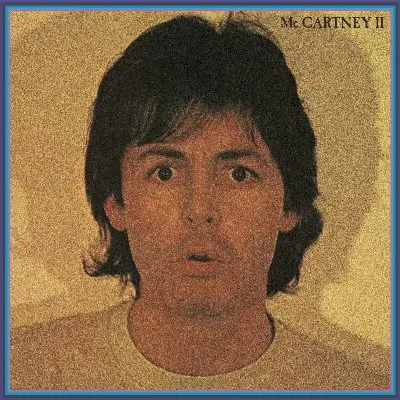
McCartney II
1980
This album continues the experimental vibe with a more electronic sound.
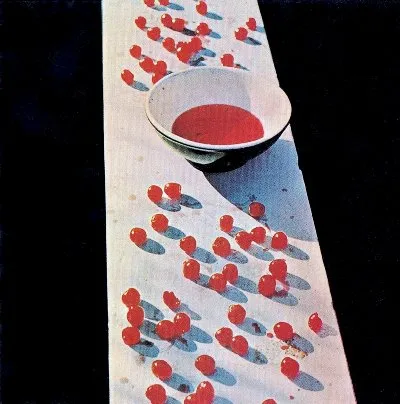
McCartney
1970
The self-titled album sets the stage with intimate songwriting and home recordings.
If this landed
Records by other artists that run on the same instinct.
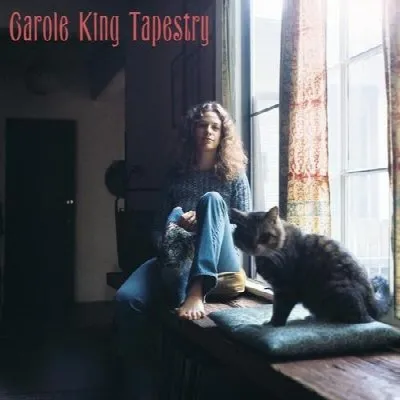
Tapestry
Carole King
Shares lush arrangements and introspective lyrics, capturing early '70s emotional landscapes.
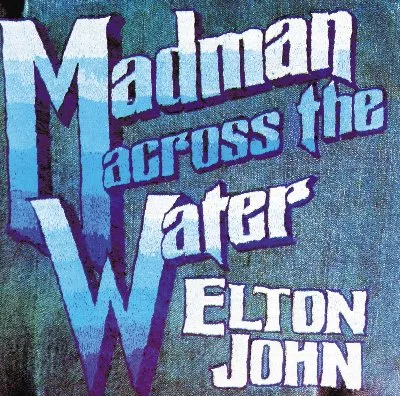
Madman Across the Water
Elton John
Features orchestral pop elements and reflective themes of self-discovery post-Beatles era.
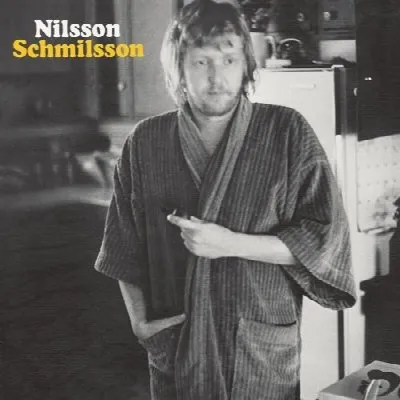
Nilsson Schmilsson
Harry Nilsson
Combines whimsical melodies with intimate storytelling, reflecting the same experimental spirit.
Reference: Wikipedia · MusicBrainz · Wikidata
Sync your library
Everything you track here works immediately — no account needed. Create one when you want to sync across devices.