

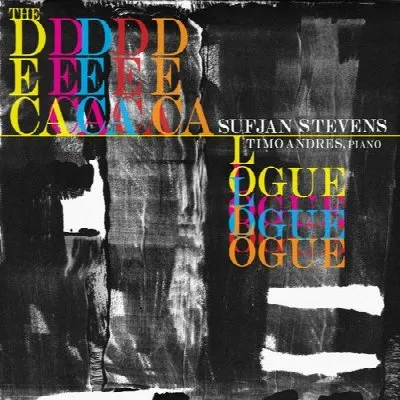
The Decalogue
Sufjan Stevens · 2017
27 min · 10 tracks · alternative rock
Solo piano moves between delicate reflection and restless motion in music written for the ballet stage.
Top tracks — play these first
-
→
I Start here — The opening movement establishes the exposed solo-piano setting, inviting attention to touch and phrasing rather than a sung melody.
-
→
IV — One of the longer early movements, it gives Stevens and Andres room to develop the score’s ideas beyond the brevity of the preceding pieces.
-
→
VII — Situated in the second half of the sequence, this movement shows how the piano writing sustains the ballet’s narrative without voices or orchestral color.
-
→
X — The closing movement is the longest on the recording, giving the ten-part sequence an extended final space for resolution.
Elevation
Our rating, out of 100 — and why.
AI-generated from five scored dimensions. An opinion, not a measurement.
InstrumentalThe album's structured yet expansive soundscape creates a unique listening experience that rewards introspection.
What we noticed
- Each track is titled numerically, creating a cohesive thematic structure that reflects the Ten Commandments.
- The album features long, sustained notes and minimalistic piano motifs that gradually build into richer orchestral arrangements.
- There are no lyrics, allowing the listener to focus solely on the emotional weight conveyed through instrumentation.
- Composition 25% of the score
-
7/10
- Craft 20% of the score
-
8/10
- Durability 25% of the score
-
6/10
- Distinctiveness 18% of the score
-
8/10
- Sequencing 12% of the score
-
9/10
the writing — melody, harmony, structure, lyrics
production, performance, arrangement
whether it rewards returning to it
whether it sounds like itself
running order, pacing, length
Little footprint beyond its audience. Reported but not counted — how far a record travelled describes its reception rather than the record, and a newer release has had less time to travel than an older one.
Is this for you?
Good fit if you like
- introspective moments of stillness
- brief reflections on existence
- delicate melodies for quiet times
- thoughtful listening during solitude
Maybe skip if you
- seeking high-energy experiences
- prefer lengthy, expansive albums
Where this album fits
- In the catalog
- Experimental — Marks Stevens' shift into film scoring, differing from his established sound.
- Themes
- Ten Commandments· piano-led ballet score· chamber-orchestra textures
- Career context
- The Decalogue began as a score Sufjan Stevens wrote for choreographer Justin Peck’s 2017 ballet of the same name. Its 2019 album release, performed by pianist Timo Andres, followed Stevens’s 2015 album Carrie & Lowell and his electronic collaboration with Bryce Dessner, Nico Muhly and James McAlister, Planetarium.
- Stylistic neighbors
- Iron & Wine· Andrew Bird· Fleet Foxes
Tracklist
- 1 I Start here 3:36
- 2 II 1:40
- 3 III 1:29
- 4 IV 3:04
- 5 V 2:37
- 6 VI 2:55
- 7 VII 3:01
- 8 VIII 3:01
- 9 IX 2:13
- 10 X 3:42
What to play next
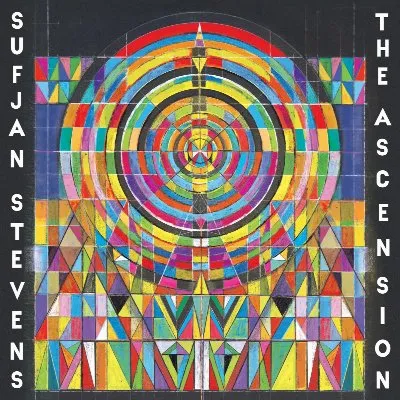
The Ascension
2020
Continues the introspective themes with a more expansive sonic landscape.
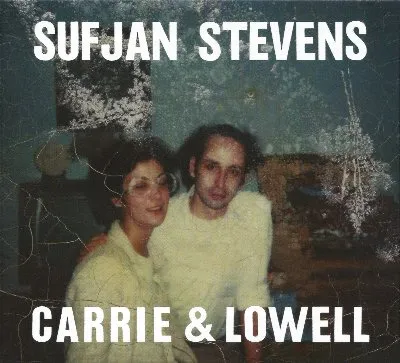
Carrie & Lowell
2015
Sets a reflective tone that leads into the meditative qualities of The Decalogue.
If this landed
Records by other artists that run on the same instinct.
Reference: Wikipedia · MusicBrainz · Wikidata
Sync your library
Everything you track here works immediately — no account needed. Create one when you want to sync across devices.