

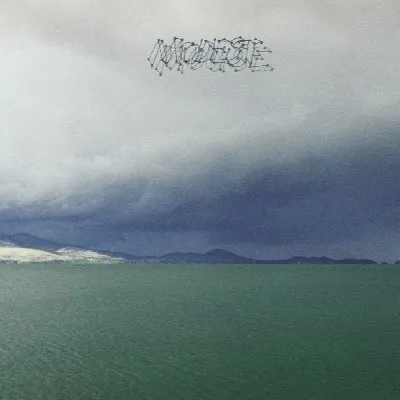
The Fruit That Ate Itself
1994 21 min 9 tracks indie rock
Elevation 57 /100 FoothillsScrappy guitar figures and Isaac Brock’s yelping voice turn lo-fi indie rock into something restless and faintly queasy.
Is this for you?
Good fit if you like
- short bursts of energetic intensity
- existential musings in quick succession
- playful yet introspective exploration
- for focused listening sessions
Maybe skip if you
- prefer longer, sprawling albums
- seek immediate gratification tracks
Recommended tracks
Top tracks — play these first
-
The Waydown Start here — A compact introduction to the band’s early tension: Brock’s strained delivery pushes against a guitar part that seems to keep the ground shifting underneath him.
-
Dirty Fingernails — Its rough-edged performance gives the recording an intimate, unvarnished character while leaving room for the band’s jagged rhythmic interplay.
-
The Fruit That Ate Itself — The title track turns a self-consuming image into a fitting centerpiece for music that feels both wound up and prone to sudden turns.
-
Summer — Its wiry guitar and insistent momentum show how the early trio could make a relatively lean arrangement feel unsettled rather than relaxed.
Elevation
Our rating, out of 100 — and why.
AI-generated from five scored dimensions. An opinion, not a measurement. How Elevation works
The EP's raw sound and unconventional songwriting mark it as a notable early entry in indie rock.
What we noticed
- The first track is an untitled instrumental that sets a dissonant tone, followed by 'The Waydown,' which introduces vocals and jagged guitar lines.
- Several tracks feature abrupt tempo shifts, particularly 'Dirty Fingernails,' which transitions from a slow build to a frenetic climax.
- Composition 25% of the score
-
6/10
- Craft 20% of the score
-
5/10
- Durability 25% of the score
-
5/10
- Distinctiveness 18% of the score
-
7/10
- Sequencing 12% of the score
-
6/10
the writing — melody, harmony, structure, lyrics
production, performance, arrangement
whether it rewards returning to it
whether it sounds like itself
running order, pacing, length
The score is the weighted average of these five, then scaled to spread the range — the scaling never changes which of two albums scores higher.
Significant within its genre. Reported but not counted — how far a record travelled describes its reception rather than the record, and a newer release has had less time to travel than an older one.
Tracklist
- 1 [untitled] 0:40
- 2 The Waydown Start here 2:32
- 3 [untitled] 0:54
- 4 Dirty Fingernails (recommended) 3:22
- 5 Sunspots in the House of the Late Scapegoat 2:44
- 6 The Fruit That Ate Itself (recommended) 3:19
- 7 [untitled] 0:45
- 8 Summer (recommended) 3:14
- 9 Karma’s Payment 3:28
Where this album fits
- In the catalog
- Breakthrough — This debut EP introduced Modest Mouse's unique sound and laid groundwork for indie rock.
- Themes
- self-destructive cycles· early '90s disillusionment
- Career context
- The Fruit That Ate Itself is an early Modest Mouse EP released in 1997, between the band’s debut album This Is a Long Drive for Someone with Nothing to Think About and The Lonesome Crowded West. Calvin Johnson recorded it at Dub Narcotic Studio in Olympia, Washington, connecting the Issaquah band to the city’s independent music community.
- Stylistic neighbors
- Built to Spill· Pavement· Ugly Casanova
Keep listening
What to play next
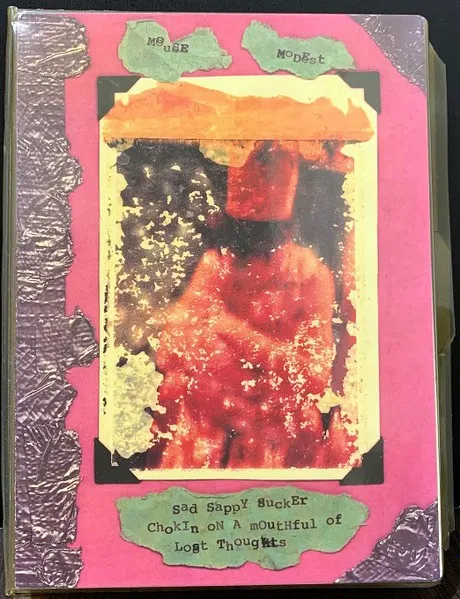
Sad Sappy Sucker Chokin on a Mouthful of Lost Thoughts
1995
It continues the raw energy and introspective themes found in The Fruit That Ate Itself.
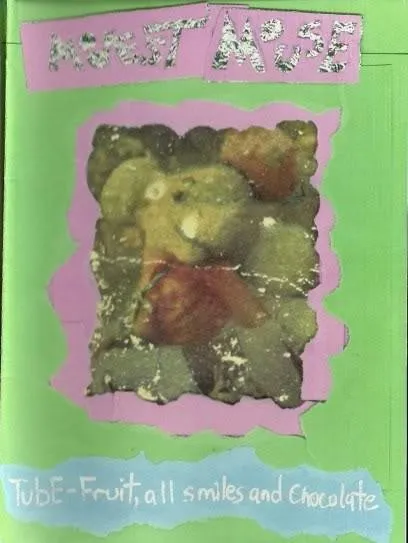
Tube-Fruit, All Smiles and Chocolate
1993
Related records
If this landed
Records by other artists that run on the same instinct.
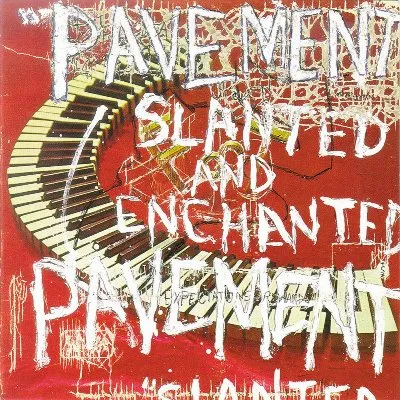
Slanted and Enchanted
Pavement
Shares raw production and introspective lyrics reflecting disillusionment of the early '90s.
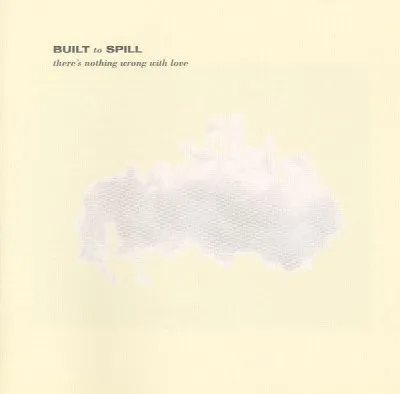
There's Nothing Wrong with Love
Built to Spill
Both explore self-destructive themes with jagged guitar work and a lo-fi aesthetic.
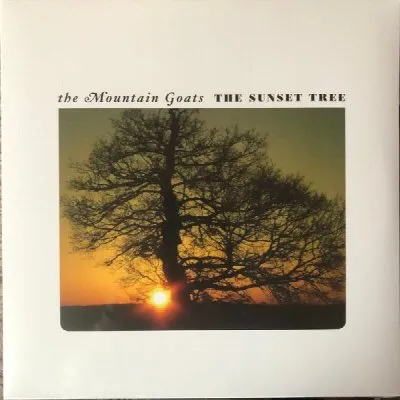
The Sunset Tree
The Mountain Goats
Similar focus on personal turmoil and cycles of self-destruction with a raw, emotional delivery.
Own the record
Some of these are affiliate links: a purchase may earn Northsound a small commission, at no cost to you. It never decides what we recommend or how we score.
Sources
The Weekly Dispatch
One record worth your time, every week — picked the way this page is.
One short email. Free, unsubscribe anytime. Read this week's.
Sync your library
Everything you track here works immediately — no account needed. Create one when you want to sync across devices.