

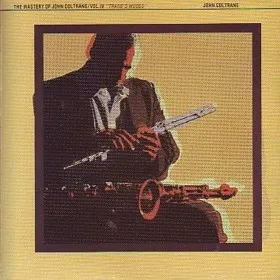
The Mastery of John Coltrane, Vol. 4: Trane's Modes
John Coltrane · 1979
79 min · 8 tracks · jazz
Coltrane’s searching saxophone stretches familiar melodies into long modal journeys with a restless rhythmic pull.
Top tracks — play these first
-
→
Impressions (take one) Start here — The modal framework gives Coltrane room to build a solo through repeated, intensifying patterns rather than frequent chord changes.
-
→
Chasin’ Another Trane — This long performance pushes the music toward the rougher, more open-ended improvisation associated with Coltrane’s Village Vanguard sessions.
-
→
Greensleeves (take two) — The familiar folk melody offers a clear point of entry into Coltrane’s approach to variation, as he bends its contours into his own phrasing.
-
→
Africa (first version) — An expansive arrangement places Coltrane’s saxophone against an orchestral backdrop, showing how modal improvisation could operate on a larger scale.
Elevation
Our rating, out of 100 — and why.
AI-generated from five scored dimensions. An opinion, not a measurement.
InstrumentalColtrane's modal explorations and improvisational depth make this a significant entry in his discography.
What we noticed
- The album features extended improvisational sections, with several tracks exceeding ten minutes, allowing for deep exploration of modal themes.
- Each track showcases a different aspect of Coltrane's modal approach, with varying instrumentation and arrangements that highlight his harmonic experimentation.
- The sequencing includes multiple takes of 'Impressions', creating a sense of dialogue between the different interpretations.
- Composition 25% of the score
-
8/10
- Craft 20% of the score
-
7/10
- Durability 25% of the score
-
8/10
- Distinctiveness 18% of the score
-
9/10
- Sequencing 12% of the score
-
6/10
the writing — melody, harmony, structure, lyrics
production, performance, arrangement
whether it rewards returning to it
whether it sounds like itself
running order, pacing, length
Significant within its genre. Reported but not counted — how far a record travelled describes its reception rather than the record, and a newer release has had less time to travel than an older one.
Is this for you?
Good fit if you like
- wave-like dynamic explorations
- immersive modal improvisation journeys
- long-form thoughtful listening experience
- deep harmonic exploration sessions
Maybe skip if you
- seeking quick, catchy tracks
- prefer structured song formats
Where this album fits
- In the catalog
- Deep Cut — Highlights Coltrane's modal techniques but is less known than his major works.
- Themes
- modal exploration· posthumous recognition· saxophone lyricism
- Career context
- Released in 1979, twelve years after Coltrane’s death, Trane’s Modes was the fourth volume in Impulse!’s Mastery of John Coltrane series. It revisits recordings from his early-1960s Impulse! period, when he was expanding modal jazz through extended improvisation.
- Stylistic neighbors
- Pharoah Sanders· Ornette Coleman· Albert Ayler
Tracklist
Disc 1
- 1 Impressions (take one) Start here 8:50
- 2 Miles’ Mode 10:00
- 3 Chasin’ Another Trane 15:34
- 4 Greensleeves (take two) 4:50
Disc 2
- 1 Impressions (take two) 10:55
- 2 Naima 7:39
- 3 Africa (first version) 14:06
- 4 The Damned Don’t Cry 7:38
What to play next
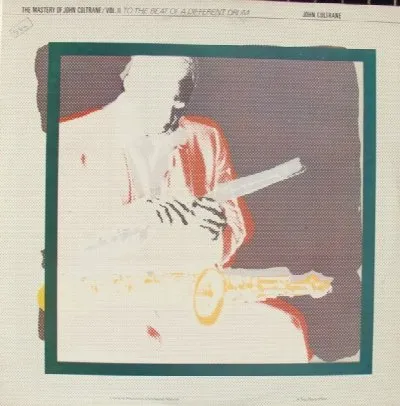
The Mastery of John Coltrane, Vol. 2: To the Beat of a Different Drum
1978
Continues the exploration of Coltrane's innovative improvisational style.
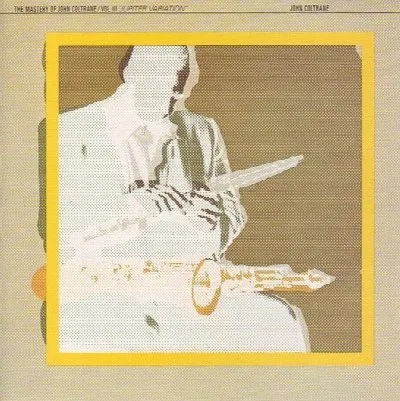
The Mastery of John Coltrane, Vol. 3: Jupiter Variation
1978
Precedes this album with similar modal explorations and spiritual themes.
If this landed
Records by other artists that run on the same instinct.
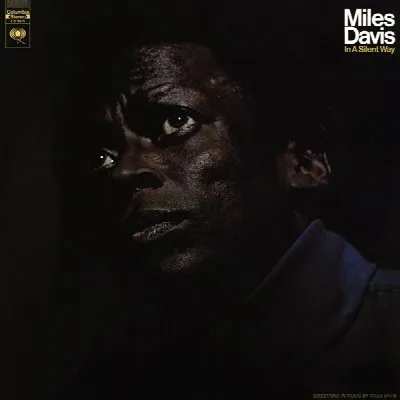
In a Silent Way
Miles Davis
Explores modal improvisation and atmospheric soundscapes, reflecting a similar harmonic depth.
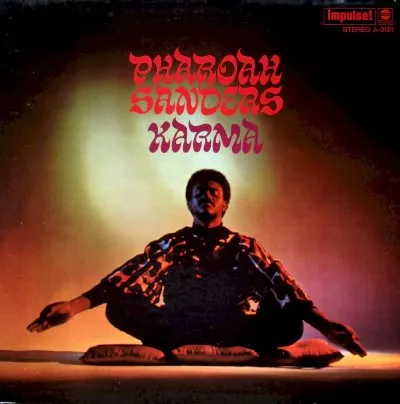
Karma
Pharoah Sanders
Shares the same spiritual exploration and rich improvisational style within modal jazz frameworks.
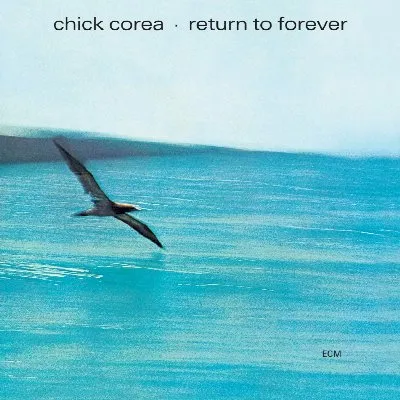
Return to Forever
Chick Corea
Merges intricate modal compositions with a free-form approach, echoing Coltrane's improvisational spirit.
Reference: Wikipedia · MusicBrainz · Wikidata
Sync your library
Everything you track here works immediately — no account needed. Create one when you want to sync across devices.