

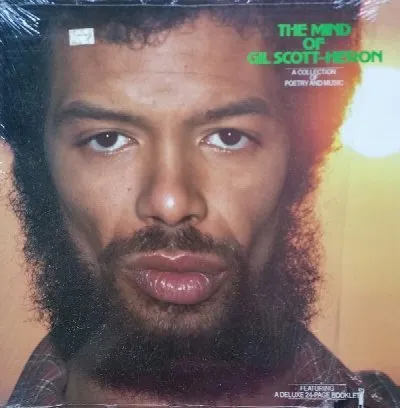
The Mind of Gil Scott-Heron
Gil Scott-Heron · 1978
43 min · 6 tracks · jazz
A fusion of jazz rhythms and spoken word, blending social commentary with melodic introspection.
Top tracks — play these first
-
→
H20 Gate Blues — This track serves as a powerful critique of systemic failures surrounding public health and environmental policies, showcasing Scott-Heron's lyrical prowess.
-
→
The Ghetto Call (Dot Dot Dit Dot Dit Dot Dot Dash) — This lengthy piece highlights the struggles within urban communities through vivid storytelling and rhythmic complexity, embodying Scott-Heron's unique blend of poetry and music.
-
→
Bicentennial Blues — Here, Scott-Heron juxtaposes national pride with personal disillusionment, effectively using the Bicentennial backdrop to confront historical injustices.
Elevation
Our rating, out of 100 — and why.
AI-generated from five scored dimensions. An opinion, not a measurement.
The album combines jazz and spoken word effectively, showcasing strong lyrical content and varied musicality.
What we noticed
- Each track varies in tempo and mood, with some pieces maintaining a steady groove while others shift dramatically in pace.
- The lyrics serve as social commentary, often delivered in a conversational tone that invites listener engagement.
- Composition 25% of the score
-
7/10
- Craft 20% of the score
-
8/10
- Durability 25% of the score
-
6/10
- Distinctiveness 18% of the score
-
8/10
- Sequencing 12% of the score
-
5/10
the writing — melody, harmony, structure, lyrics
production, performance, arrangement
whether it rewards returning to it
whether it sounds like itself
running order, pacing, length
Significant within its genre. Reported but not counted — how far a record travelled describes its reception rather than the record, and a newer release has had less time to travel than an older one.
Is this for you?
Good fit if you like
- dynamic journey with peaks
- thought-provoking social commentary
- wave-like pacing that flows
- engaging spoken word narratives
Maybe skip if you
- prefer instant gratification
- seek straightforward structures
Where this album fits
- Career context
- By 1978, Gil Scott-Heron was gaining recognition as a pioneering voice in the Black Arts Movement, building on the success of his earlier work like 'Pieces of a Man'. This album arrived during a period of increasing political engagement in his music, showcasing his ability to weave personal narratives into broader societal critiques.
- Stylistic neighbors
- Amiri Baraka· The Last Poets· Abbey Lincoln
Tracklist
Best experienced from track one — press play and let it unfold.
- 1 H20 Gate Blues 7:58
- 2 We Beg Your Pardon (Pardon Our Analysis) 7:52
- 3 The New Deal 3:10
- 4 Jose Campos Torres 2:36
- 5 The Ghetto Call (Dot Dot Dit Dot Dit Dot Dot Dash) 12:57
- 6 Bicentennial Blues 8:39
Reference: Wikipedia · MusicBrainz · Wikidata
Sync your library
Everything you track here works immediately — no account needed. Create one when you want to sync across devices.