

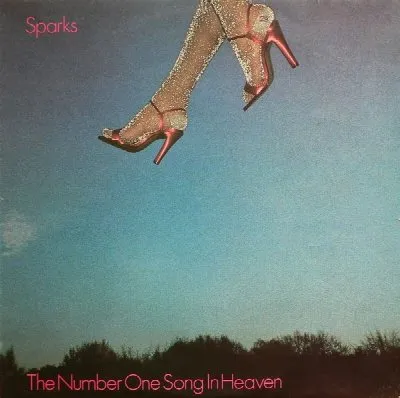
The Number One Song in Heaven
Sparks · 1979
10 min · 2 tracks · alternative rock
Giorgio Moroder’s sequencers propel Russell Mael’s high-wire vocals through a glittering vision of electronic disco.
Top tracks — play these first
-
→
The Number One Song in Heaven — The concise version brings the song’s celestial conceit and Russell Mael’s soaring vocal into sharp focus against Moroder’s electronic pulse.
-
→
The Number One Song in Heaven (long version) — The extended version gives the sequencer-led arrangement room to unfold, making the transition from spacious introduction to dance-floor propulsion central to the experience.
Elevation
Our rating, out of 100 — and why.
AI-generated from five scored dimensions. An opinion, not a measurement.
The innovative synth work and blend of genres mark this as a notable entry in Sparks' discography.
What we noticed
- The single features a prominent use of synthesizers, creating a layered sound that blends disco rhythms with avant-garde pop elements.
- The long version extends the original track by incorporating additional instrumental sections, allowing for more exploration of its sonic textures.
- Composition 25% of the score
-
7/10
- Craft 20% of the score
-
8/10
- Durability 25% of the score
-
6/10
- Distinctiveness 18% of the score
-
8/10
- Sequencing 12% of the score
-
5/10
the writing — melody, harmony, structure, lyrics
production, performance, arrangement
whether it rewards returning to it
whether it sounds like itself
running order, pacing, length
Significant within its genre. Reported but not counted — how far a record travelled describes its reception rather than the record, and a newer release has had less time to travel than an older one.
Where this album fits
- In the catalog
- Experimental — This album marks a deliberate departure into innovative synth sounds and disco influences.
- Themes
- celestial radio charts· late-70s synth futurism· disco-built afterlife
- Career context
- Released in 1979, The Number One Song in Heaven followed Sparks’ rock-oriented Introducing Sparks and recast the Mael brothers in a largely electronic setting. Working with producer Giorgio Moroder, they traded their conventional band sound for synthesizers and dance rhythms.
- Stylistic neighbors
- They Might Be Giants· Devo· XTC
Tracklist
Best experienced from track one — press play and let it unfold.
- 1 The Number One Song in Heaven 3:48
- 2 The Number One Song in Heaven (long version) 6:56
What to play next
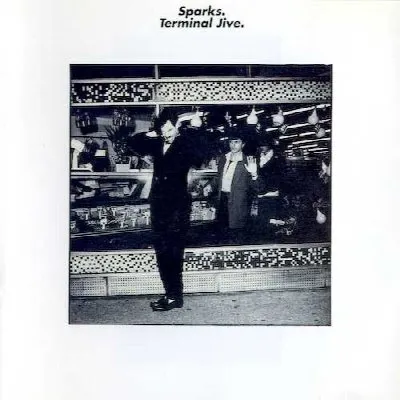
Terminal Jive
1980
It carries the sleek disco pulse and synth-driven production forward while adding a sharper, more streamlined pop feel.

Introducing Sparks
1977
Its guitar-led pop sets up a striking contrast with the electronic dance direction of the current album.
Reference: Wikipedia · MusicBrainz · Wikidata
Sync your library
Everything you track here works immediately — no account needed. Create one when you want to sync across devices.