

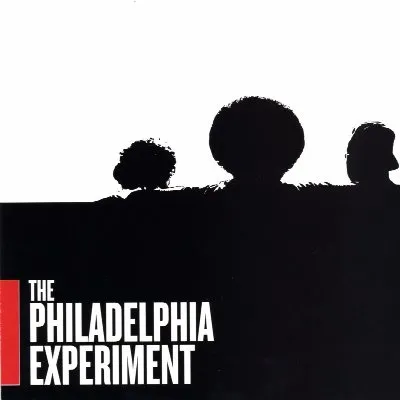
The Philadelphia Experiment
The Philadelphia Experiment · 2001
52 min · 11 tracks
A vibrant fusion of jazz, hip-hop, and funk that showcases intricate musicianship and rich improvisation.
Top tracks — play these first
-
→
Philadelphia Experiment — The opening track sets the tone for the album with its dynamic interplay between instruments and showcases the collaborative chemistry of the trio.
-
→
Call for All Demons — This track features compelling rhythmic complexity and an engaging call-and-response structure that highlights each musician's improvisational prowess.
-
→
Mister Magic — A reinterpretation of Grover Washington Jr.'s classic, this track exemplifies the fusion of jazz traditions with modern improvisational techniques, making it a standout piece.
Elevation
Our rating, out of 100 — and why.
AI-generated from five scored dimensions. An opinion, not a measurement.
The album's blend of jazz, hip-hop, and funk showcases strong musicianship and distinct arrangements that stand out.
What we noticed
- The album features extended improvisational sections, particularly in tracks like 'Call for All Demons' and 'Ain't If the Truth', allowing musicians to explore themes organically.
- Several tracks incorporate spoken word elements, blending hip-hop influences with jazz instrumentation, as heard in 'Lesson #4'.
- The arrangement of instruments varies throughout, with moments where the bass takes a lead role, such as in 'Mister Magic', contrasting with piano-driven sections.
- Composition 25% of the score
-
7/10
- Craft 20% of the score
-
8/10
- Durability 25% of the score
-
7/10
- Distinctiveness 18% of the score
-
8/10
- Sequencing 12% of the score
-
6/10
the writing — melody, harmony, structure, lyrics
production, performance, arrangement
whether it rewards returning to it
whether it sounds like itself
running order, pacing, length
Significant within its genre. Reported but not counted — how far a record travelled describes its reception rather than the record, and a newer release has had less time to travel than an older one.
Is this for you?
Good fit if you like
- dynamic journey with rhythmic peaks
- vibrant energy for group listen
- engaging for attentive headphone sessions
- celebratory spirit of philadelphia
- varied pacing for emotional exploration
Maybe skip if you
- prefer straightforward single tracks
- seek instant gratification in music
Where this album fits
- Career context
- Released in 2001, The Philadelphia Experiment marked a significant collaborative effort between jazz pianist Uri Caine, drummer Questlove of The Roots, and bassist Christian McBride. This album came after both Caine's and McBride's established careers in jazz, while also highlighting Questlove's versatility beyond hip-hop as he ventured into jazz-infused projects.
Moments worth listening for
Where the writing does something specific.
-
Ain't If the Truth
The bridge introduces a shift in narrative focus that questions authenticity within relationships.
This moment marks a departure from earlier themes, adding depth to the lyrical exploration of truth versus perception.
Tracklist
Best experienced from track one — press play and let it unfold.
- 1 Philadelphia Experiment 4:15
- 2 Grover 4:57
- 3 Lesson #4 2:52
- 4 Call for All Demons 5:26
- 5 Trouble Man Theme 4:31
- 6 Ain't If the Truth 6:09
- 7 Ile Ife 5:04
- 8 The Miles Hit 5:45
- 9 (Re)moved 2:06
- 10 Philadelphia Freedom 3:09
- 11 Mister Magic 8:29
Reference: Wikipedia · MusicBrainz · Wikidata
Sync your library
Everything you track here works immediately — no account needed. Create one when you want to sync across devices.