

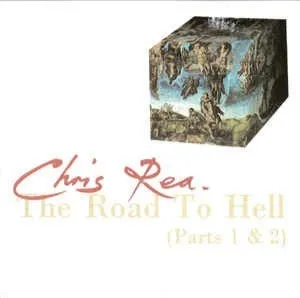
Top tracks — play these first
-
→
The Road to Hell (Part 2) — This track stands out for its haunting melody and vivid portrayal of life's struggles, encapsulating the album's themes of despair and resilience in urban life.
-
→
He Should Know Better — With its catchy chorus and reflective lyrics, this song showcases Rea's ability to intertwine personal narrative with broader social commentary, enhancing the album's emotional depth.
Elevation
Our rating, out of 100 — and why.
AI-generated from five scored dimensions. An opinion, not a measurement.
The album features strong storytelling and atmospheric guitar work, solidifying its place in blues rock.
What we noticed
- The album opens with a two-part title track that establishes a narrative arc, with Part 1 featuring a slow build and Part 2 introducing a more driving rhythm.
- Several tracks incorporate atmospheric guitar solos that create a sense of space and mood, particularly in 'Looking for a Rainbow' and 'Daytona'.
- Composition 25% of the score
-
7/10
- Craft 20% of the score
-
8/10
- Durability 25% of the score
-
6/10
- Distinctiveness 18% of the score
-
6/10
- Sequencing 12% of the score
-
7/10
the writing — melody, harmony, structure, lyrics
production, performance, arrangement
whether it rewards returning to it
whether it sounds like itself
running order, pacing, length
Significant within its genre. Reported but not counted — how far a record travelled describes its reception rather than the record, and a newer release has had less time to travel than an older one.
Where this album fits
- In the catalog
- Breakthrough — This album established Chris Rea's wider recognition with its title track's success.
- Career context
- By 1990, Chris Rea was cementing his status as a prominent figure in the UK music scene with 'The Road to Hell' as his eighth studio album. This release followed the commercial success of 'Dancing with Strangers' (1987) and marked a shift towards darker, more narrative-driven songwriting.
- Stylistic neighbors
- Mark Knopfler· Dire Straits· J.J. Cale
Moments worth listening for
Where the writing does something specific.
-
The Road to Hell (Part 2)
The moment shifts from a personal reflection to a broader critique of societal issues, illustrating the struggle against overwhelming odds.
This structural pivot emphasizes not only personal conflict but connects it to wider societal challenges, enhancing the song's emotional weight.
Tracklist
Best experienced from track one — press play and let it unfold.
- 1 The Road to Hell (Part 2) 3:55
- 2 He Should Know Better 4:35
What to play next
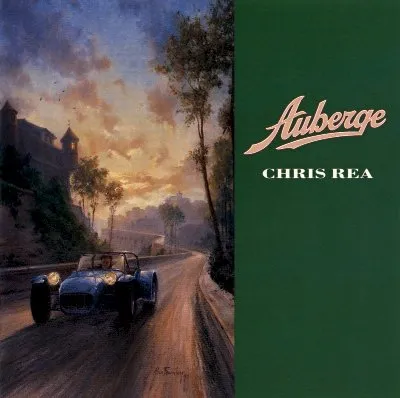
Auberge
1991
Continues the reflective storytelling and bluesy sound with fresh themes.
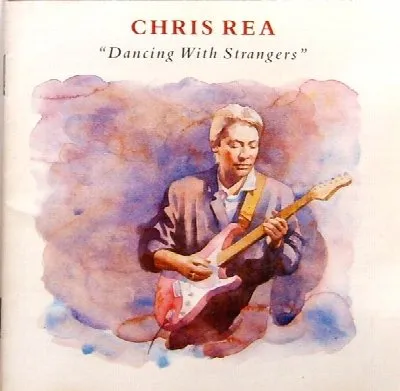
Dancing with Strangers
1987
Sets the stage with a similar blend of rock and soulful melodies.
If this landed
Records by other artists that run on the same instinct.
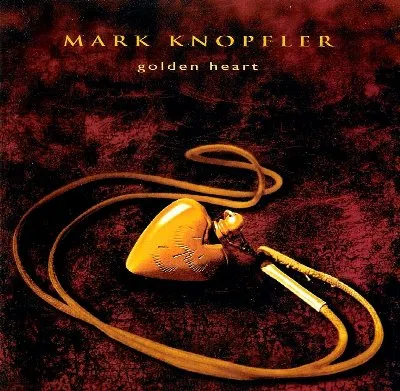
Golden Heart
Mark Knopfler
Shares a storytelling approach with bluesy guitar work and introspective, personal lyrics.
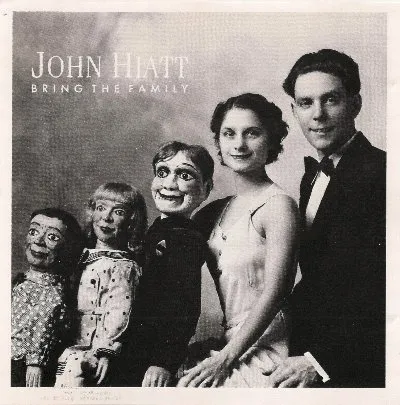
Bring the Family
John Hiatt
Combines blues rock with reflective lyrics on personal and social themes, resonating with Rea's vibe.
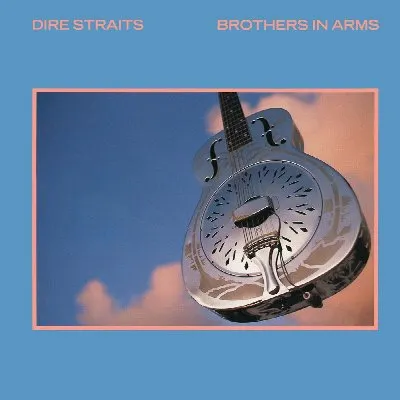
Brothers in Arms
Dire Straits
Features a moody atmosphere and contemplative songwriting that aligns closely with Rea's thematic depth.
Reference: Wikipedia · MusicBrainz · Wikidata
Sync your library
Everything you track here works immediately — no account needed. Create one when you want to sync across devices.