


Elevation
Our rating, out of 100 — and why.
AI-generated from five scored dimensions. An opinion, not a measurement.
The five-poem structure gives the symphony a clear dramatic arc, while its bass-and-male-chorus scoring and sharp shifts between satire and dread make its voice unmistakable.
What we noticed
- A bass soloist and male chorus carry all five movements over orchestra; the opening sets a slow, weighty declamation rather than a conventional instrumental symphonic start.
- The second movement turns to an Allegretto scherzo, while the third and fourth return to slow tempos before the final Allegretto closes on a more sardonic, mobile note.
- The five movements set distinct poems, but recurring solo-and-chorus forces keep the shifts from satire to fear within one continuous vocal-orchestral frame.
- Composition 25% of the score
-
9/10
- Craft 20% of the score
-
9/10
- Durability 25% of the score
-
9/10
- Distinctiveness 18% of the score
-
9/10
- Sequencing 12% of the score
-
9/10
the writing — melody, harmony, structure, lyrics
production, performance, arrangement
whether it rewards returning to it
whether it sounds like itself
running order, pacing, length
Defined its genre or moment. Reported but not counted — how far a record travelled describes its reception rather than the record, and a newer release has had less time to travel than an older one.
Tracklist
Best experienced from track one — press play and let it unfold.
- 1 Symphony no. 13: I. Babi Yar (Adagio) 13:38
- 2 Symphony no. 13: II. Humour (Allegretto) 8:05
- 3 Symphony no. 13: III. In the Store (Adagio) 10:50
- 4 Symphony no. 13: IV. Fears (Largo) 9:49
- 5 Symphony no. 13: V. A Career (Allegretto) 11:38
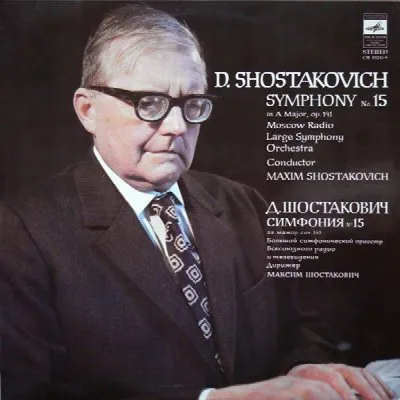

Reference: MusicBrainz
Sync your library
Everything you track here works immediately — no account needed. Create one when you want to sync across devices.