

Two Tenors
John Coltrane · 1969
38 min · 4 tracks · jazz
A mesmerizing blend of modal jazz and free improvisation, showcasing intricate dialogues between saxophones over expansive rhythms.
Top tracks — play these first
-
→
Weejah — This track serves as a powerful opener, establishing the album's adventurous spirit with its complex rhythms and dynamic exchanges between the two tenors. Its extended length allows for deep exploration of improvisation that defines Coltrane's later work.
-
→
Polka Dots and Moonbeams — A reinterpretation of a classic standard, this track highlights Coltrane's lyrical playing while providing a contrast to the more avant-garde elements present in other pieces. The emotive depth displayed here reflects Coltrane's unique ability to merge traditional melodies with innovative jazz techniques.
-
→
On It — This composition exemplifies the collaborative synergy between Coltrane and Sanders, featuring intricate call-and-response patterns that illustrate their profound musical connection. The track encapsulates the essence of free jazz while still being anchored by melodic motifs.
Elevation
Our rating, out of 100 — and why.
AI-generated from five scored dimensions. An opinion, not a measurement.
InstrumentalThe interplay between Coltrane and Sanders creates a distinctive sound that blends free jazz with lyrical elements.
What we noticed
- The album features two tenor saxophones that engage in call-and-response patterns, creating a dynamic interplay throughout.
- Each track varies in tempo and mood, with 'Weejah' opening with a fast-paced rhythm while 'Polka Dots and Moonbeams' adopts a more lyrical approach.
- The final track, 'Avalon', introduces a more subdued atmosphere, allowing for a gradual tapering of energy as the album concludes.
- Composition 25% of the score
-
8/10
- Craft 20% of the score
-
7/10
- Durability 25% of the score
-
8/10
- Distinctiveness 18% of the score
-
9/10
- Sequencing 12% of the score
-
6/10
the writing — melody, harmony, structure, lyrics
production, performance, arrangement
whether it rewards returning to it
whether it sounds like itself
running order, pacing, length
Significant within its genre. Reported but not counted — how far a record travelled describes its reception rather than the record, and a newer release has had less time to travel than an older one.
Where this album fits
- In the catalog
- Experimental — Showcases a blend of modal jazz and free improvisation, marking a departure in Coltrane's sound.
- Themes
- modal jazz exploration· tenor saxophone dialogue· free jazz improvisation
- Career context
- When 'Two Tenors' was released in January 1969, John Coltrane was at a transformative stage in his career, having just released 'A Love Supreme' five years earlier. This album showcases his continued exploration of modal jazz and spiritual themes, featuring an interplay of two prominent tenor saxophonists, Coltrane himself and Pharoah Sanders, marking it as a significant collaboration during Coltrane's prolific late period.
- Stylistic neighbors
- Pharoah Sanders· Ornette Coleman· Albert Ayler
Tracklist
Best experienced from track one — press play and let it unfold.
- 1 Weejah 11:10
- 2 Polka Dots and Moonbeams 8:38
- 3 On It 9:02
- 4 Avalon 9:38

If this landed
Records by other artists that run on the same instinct.

The Shape of Jazz to Come
Ornette Coleman
Shares free jazz improvisation and a focus on saxophone dialogues with modal exploration.
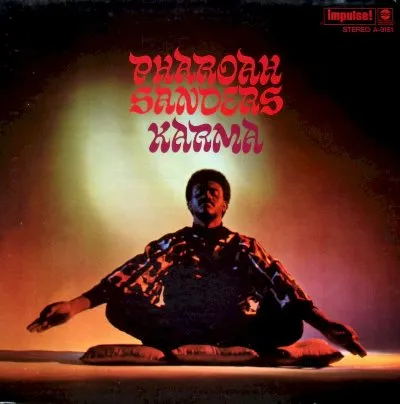
Karma
Pharoah Sanders
Continues the modal jazz exploration with deep spiritual themes and expressive saxophone interplay.

Spiritual Unity
Albert Ayler
Similar in its avant-garde approach with an emphasis on emotional expression through saxophone improvisation.
Reference: Wikipedia · MusicBrainz · Wikidata
Sync your library
Everything you track here works immediately — no account needed. Create one when you want to sync across devices.