

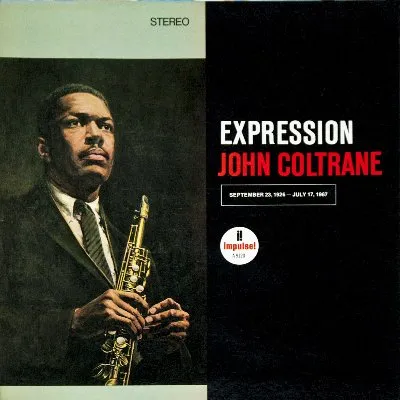
Expression
John Coltrane · 1967
51 min · 5 tracks · jazz
Coltrane’s late improvisations move from a hymn’s quiet gravity into searching exchanges that seem to stretch beyond the edges of the ensemble.
Top tracks — play these first
-
→
Ogunde Start here — Based on a spiritual, this brief opening performance gives the album a meditative starting point, with Coltrane’s tenor moving around the melody rather than settling into a conventional statement.
-
→
To Be — Coltrane plays flute alongside Pharoah Sanders on piccolo, creating an unusually airy texture within a long, freely unfolding performance.
-
→
Offering — Coltrane’s urgent tenor lines press against Rashied Ali’s restless drumming, making the piece a vivid example of the ensemble’s open-ended rhythmic language.
-
→
Expression — The title track gives Coltrane room to develop an extended tenor statement, with the group balancing spacious passages against more intense collective movement.
Elevation
Our rating, out of 100 — and why.
AI-generated from five scored dimensions. An opinion, not a measurement.
InstrumentalThe album showcases Coltrane's innovative improvisation and emotional depth, marking it as a significant entry in his discography.
What we noticed
- The album consists of five tracks, each extending over six minutes, allowing for lengthy improvisational passages.
- Each track features a gradual build-up of intensity, often culminating in climactic moments before tapering off into quieter sections.
- Composition 25% of the score
-
8/10
- Craft 20% of the score
-
9/10
- Durability 25% of the score
-
8/10
- Distinctiveness 18% of the score
-
9/10
- Sequencing 12% of the score
-
7/10
the writing — melody, harmony, structure, lyrics
production, performance, arrangement
whether it rewards returning to it
whether it sounds like itself
running order, pacing, length
Significant within its genre. Reported but not counted — how far a record travelled describes its reception rather than the record, and a newer release has had less time to travel than an older one.
Is this for you?
Good fit if you like
- spiritual exploration through sound
- gradual emotional intensity build-up
- immersive focus on improvisation
- late-night reflective listening
- cathartic release through expression
Maybe skip if you
- prefer concise, energetic tracks
- seek immediate gratification
Where this album fits
- In the catalog
- Critical Peak — Represents Coltrane's innovative approach and spiritual depth in his late career.
- Themes
- spiritual improvisation· avant-garde exploration· philosophical inquiries
- Career context
- Expression was released in 1967, shortly after Coltrane’s death, and was the first posthumous album issued under his name. Recorded during the final months of his life, it documents the exploratory direction of his late work with Alice Coltrane and drummer Rashied Ali.
- Stylistic neighbors
- Pharoah Sanders· Archie Shepp· Albert Ayler
Tracklist
- 1 Ogunde Start here 3:39
- 2 To Be 16:22
- 3 Offering 8:27
- 4 Expression 10:53
- 5 Number One 11:55
What to play next
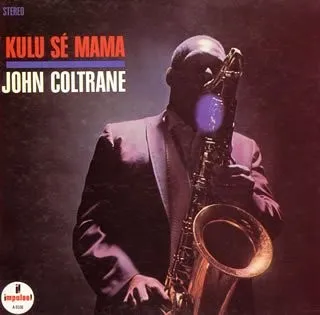
Kulu Sé Mama
1967
Continues the spiritual and expansive exploration initiated in Expression.
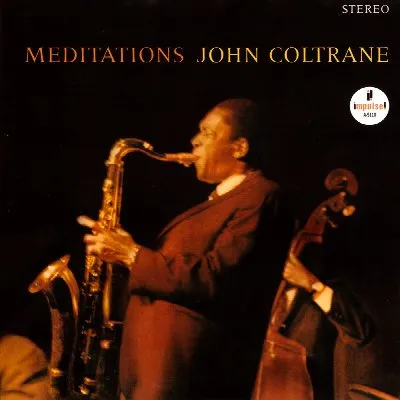
Meditations
1966
Sets a foundation of spiritual themes and improvisation leading into Expression.
If this landed
Records by other artists that run on the same instinct.
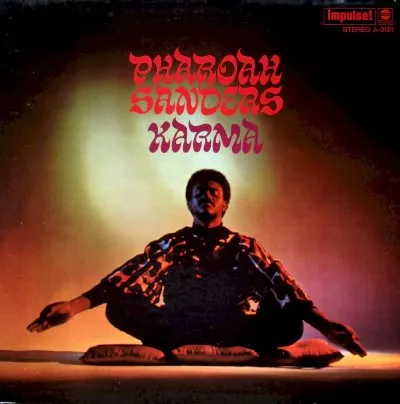
Karma
Pharoah Sanders
Explores spiritual themes through intense improvisation and a rich, avant-garde soundscape.
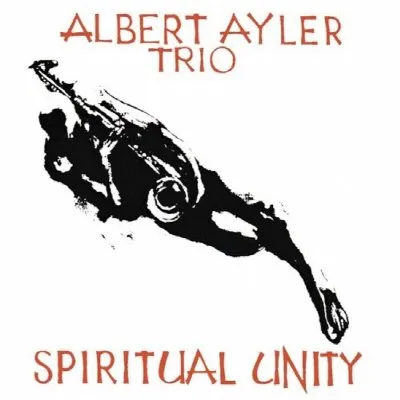
Spiritual Unity
Albert Ayler
Delivers raw emotional intensity and free improvisation focused on spiritual exploration.
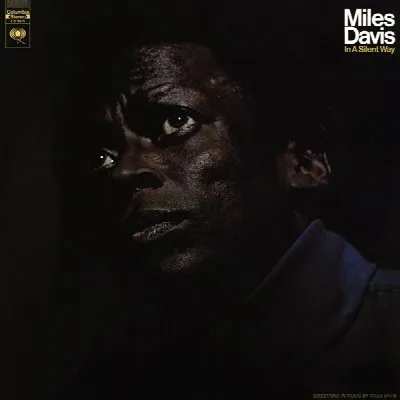
In a Silent Way
Miles Davis
Shares an atmospheric approach to modal jazz with deep, introspective improvisational journeys.
Reference: Wikipedia · MusicBrainz · Wikidata
Sync your library
Everything you track here works immediately — no account needed. Create one when you want to sync across devices.