


Elevation
Our rating, out of 100 — and why.
AI-generated from five scored dimensions. An opinion, not a measurement.
InstrumentalClassical themes remain legible inside carefully shaped Afro-Cuban arrangements; the conceit is distinctive, though its repeated transformation has limited depth over time.
What we noticed
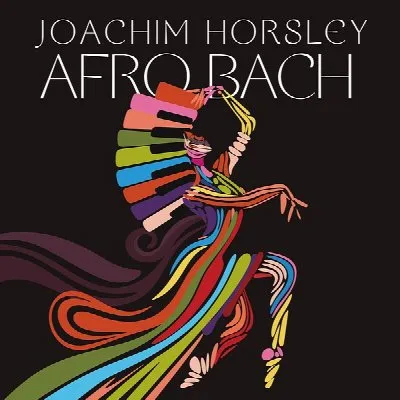
- The piano carries recognizable classical themes while bass and percussion recast them in syncopated Afro-Cuban grooves.
- The ten-track sequence moves from Beethoven and Mozart adaptations toward pieces titled “Rumba Prelude,” “Impromptuno,” and “New World Rumba.”
- The arrangements keep the classical material audible rather than burying it under the rhythm section, making the contrast between formal melody and dance pulse the record’s central device.
- Composition 25% of the score
-
7/10
- Craft 20% of the score
-
7/10
- Durability 25% of the score
-
6/10
- Distinctiveness 18% of the score
-
7/10
- Sequencing 12% of the score
-
7/10
the writing — melody, harmony, structure, lyrics
production, performance, arrangement
whether it rewards returning to it
whether it sounds like itself
running order, pacing, length
Little footprint beyond its audience. Reported but not counted — how far a record travelled describes its reception rather than the record, and a newer release has had less time to travel than an older one.
Tracklist
Best experienced from track one — press play and let it unfold.
- 1 Beethoven in Havana 4:27
- 2 Dmitri's San Millán 2:24
- 3 Amadeus Guanguanco 2:45
- 4 Vodou Moldau 4:14
- 5 Scheherazade in Cape Verde 3:38
- 6 Mahler's Resurrection Rumba 4:32
- 7 Rumba Prelude 2:48
- 8 Rumbacabre 3:29
- 9 Impromptuno 2:51
- 10 New World Rumba 3:50

Reference: MusicBrainz · Wikidata
Sync your library
Everything you track here works immediately — no account needed. Create one when you want to sync across devices.