


Zé Ramalho
Zé Ramalho · 1978
14 tracks · música popular brasileira
Northeastern Brazilian songcraft meets electric psychedelia as Zé Ramalho’s grainy voice carries visions of kinship and desire.
Top tracks — play these first
-
→
Avôhai Start here — A tribute to the grandfather who raised Ramalho, it turns family history into a mysterious invocation, with an insistent rhythm and a commanding vocal.
-
→
Chão De Giz — Its imagery of photographs and chalk gives a song of frustrated desire an almost dreamlike setting, while its melody has proved durable in other singers’ hands.
-
→
Vila Do Sossego — A driving arrangement carries a restless vocal through surreal images, showing how Ramalho could set visionary writing against a rock pulse.
-
→
Bicho De 7 Cabeças — The song’s recurring monstrous image gives its unease a folkloric shape, linking Ramalho’s northeastern roots to the album’s psychedelic imagination.
Elevation
Our rating, out of 100 — and why.
AI-generated from five scored dimensions. An opinion, not a measurement.
The album showcases strong regional influences and lyrical depth, though its cohesion is affected by bonus tracks.
What we noticed
- Tracks 10 to 14 are stripped-down acoustic versions of earlier songs, providing a contrast to the full-band arrangements.
- Ramalho's vocal delivery is characterized by a distinctive timbre and expressive phrasing, which varies significantly across tracks.
- Composition 25% of the score
-
7/10
- Craft 20% of the score
-
6/10
- Durability 25% of the score
-
6/10
- Distinctiveness 18% of the score
-
7/10
- Sequencing 12% of the score
-
5/10
the writing — melody, harmony, structure, lyrics
production, performance, arrangement
whether it rewards returning to it
whether it sounds like itself
running order, pacing, length
Significant within its genre. Reported but not counted — how far a record travelled describes its reception rather than the record, and a newer release has had less time to travel than an older one.
Is this for you?
Good fit if you like
- long, immersive listening sessions
- poetic lyrical exploration
- contemplative evening reflections
- rich, melodic atmospheres
Where this album fits
- In the catalog
- Breakthrough — This debut album established Zé Ramalho's reputation in Brazilian music.
- Themes
- Northeastern Brazilian folklore· philosophical memory· metaphorical fears
- Career context
- Released in 1978, Zé Ramalho was his first solo album, following Paêbirú, his 1975 collaboration with Lula Côrtes. It introduced his blend of northeastern Brazilian traditions and psychedelic rock to a wider audience.
- Stylistic neighbors
- Alceu Valença· Dominguinhos· Elis Regina
Tracklist
- 1 Avôhai Start here
- 2 Vila Do Sossego
- 3 Chão De Giz
- 4 A Noite Preta
- 5 A Dança Das Borboletas
- 6 Bicho De 7 Cabeças
- 7 Adeus Segunda-Feira Cinzenta
- 8 Meninas De Albarã
- 9 Voa, Voa
- 10 Avôhai (voz e violão)
- 11 Chão de giz (voz e violão)
- 12 Bicho de 7 cabeças (voz e violão)
- 13 Vila do sossego (voz e violão)
- 14 Rato do porto (voz e violão)
What to play next
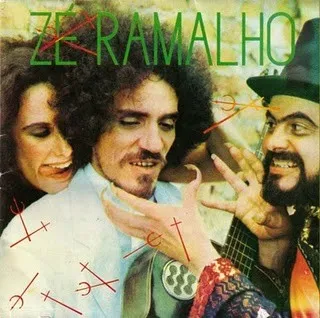
A Peleja do Diabo com o Dono do Céu
1979
Continues the vibrant Brazilian rhythms with deeper storytelling elements.
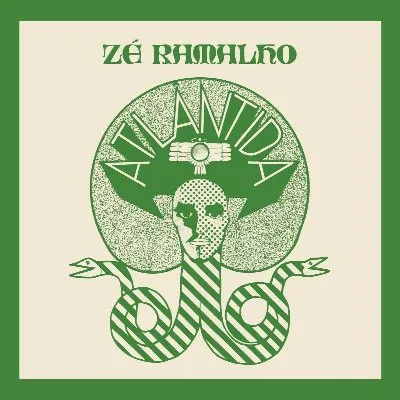
Atlântida
1974
Sets the stage with early influences that shape Ramalho's sound.
If this landed
Records by other artists that run on the same instinct.
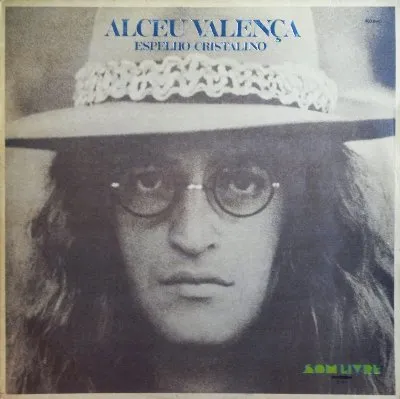
Espelho Cristalino
Alceu Valença
Pairs Northeastern folklore and regional rhythms with rock textures and surreal, image-rich songwriting.
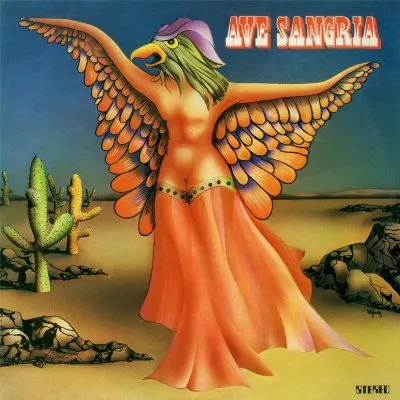
Ave Sangria
Ave Sangria
Shares Pernambuco's folkloric imagery and a blend of regional music with psychedelic rock.
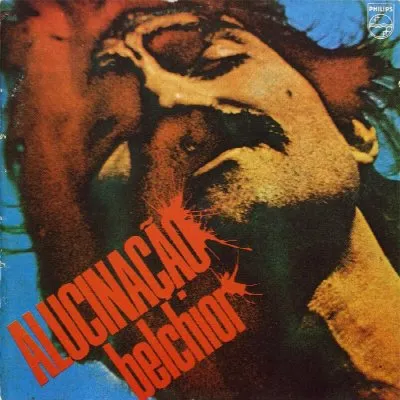
Alucinação
Belchior
Matches the era's rock-inflected MPB and metaphorical, introspective lyrics about fear and memory.
Reference: Wikipedia · MusicBrainz · Wikidata
Sync your library
Everything you track here works immediately — no account needed. Create one when you want to sync across devices.