


Photo: C. M. Stieglitz · Public domain

Hanns Eisler
Eisler's music pulsates with rhythmic insistence and sharp melodic contours, creating a tension that drives forward while remaining anchored in stark emotional clarity.
About Hanns Eisler
Hanns Eisler's significance lies in his ability to weave political urgency into the fabric of music, creating a compelling dialogue between art and social activism.
12 studio albums· 2 decades· Weimar Republic
Full discography
Hanns Eisler's releases, grouped by type.
Studio albums (12)

Hanns Eisler - Dokumente
2009
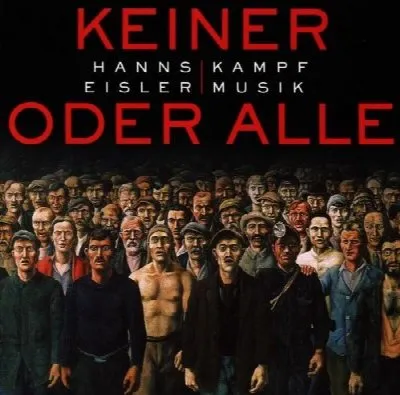
Keiner oder alle: Kampfmusik
2005

Deutsche Sinfonie: An Anti-Fascist Cantata
1995
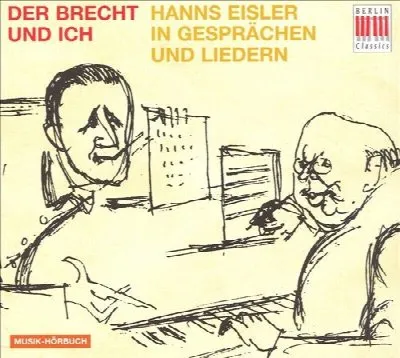
Der Brecht und ich
2006
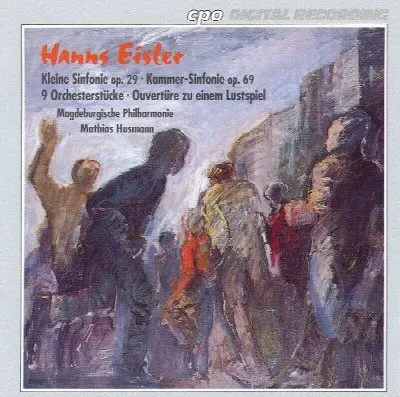
Kleine Sinfonie / Kammer‐Sinfonie / 9 Orchesterstücke / Ouvertüre zu einem Lustspiel
2004
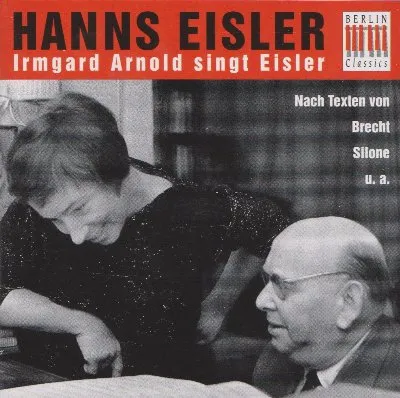
Irmgard Arnold singt Eisler
1998
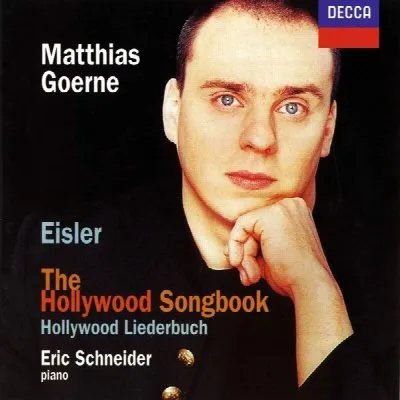
The Hollywood Songbook
1998
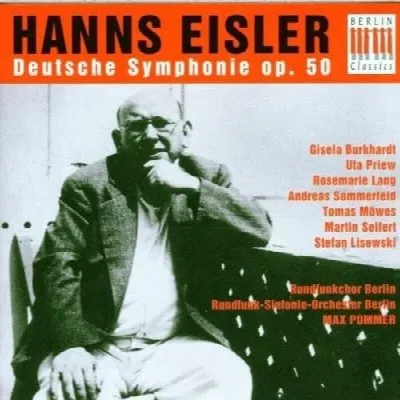
Deutsche Symphonie
1998

War & Exile
1996
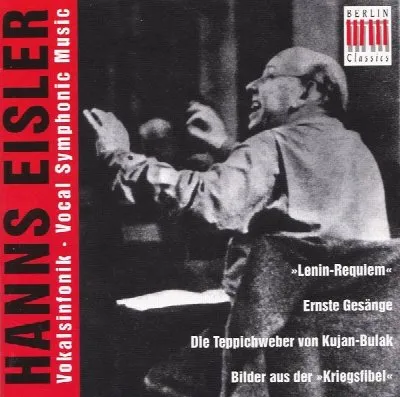
Vokalsinfonik - Vocal Symphonic Music
1996
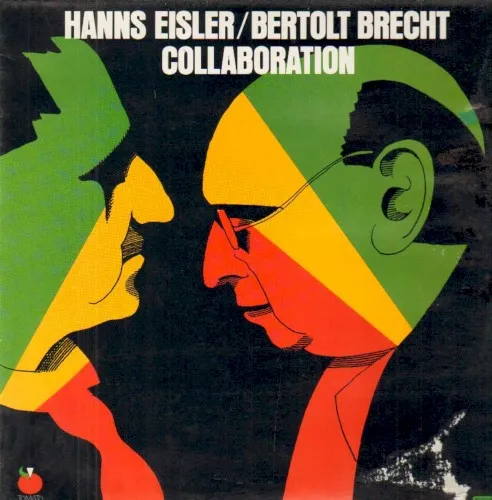
Collaboration
1989
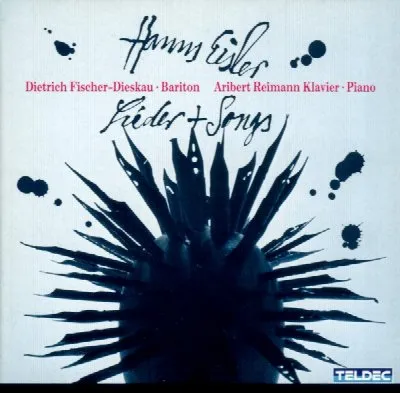
Hollywood Song-book: Lieder of the Exile
1988
No releases match the current filters.
Listen
Reference
Sync your library
Everything you track here works immediately — no account needed. Create one when you want to sync across devices.