

Bands & artists like António Zambujo
If you like António Zambujo, these artists play in similar sounds, ideas, or styles. Use this as a starting point to branch out and find something new to listen to.
New to António Zambujo? Start with our listening guide.
Artists to try next

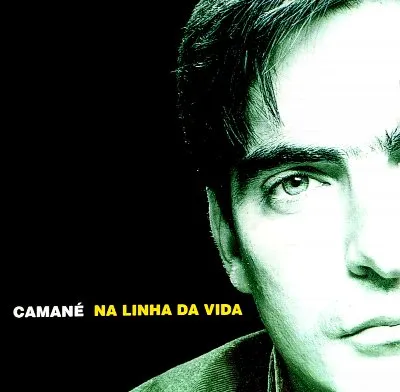
Camané
Start here for a similarly restrained fado approach, where a warm male voice lets subtle rhythmic shifts and finely shaped phrasing carry the emotion.

Ricardo Ribeiro
His expressive, ornamented singing and measured fado arrangements offer the same balance of intimacy and emotional depth.


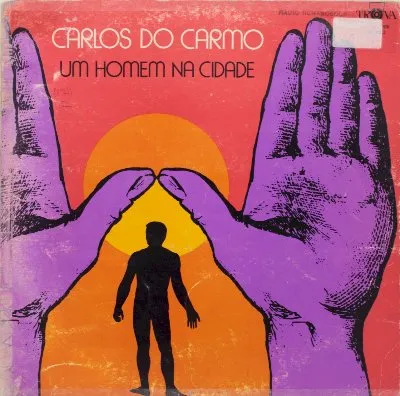
Carlos do Carmo
GuideListen for his conversational phrasing and elegant, unhurried arrangements, which give classic fado a quietly inviting feel.
Marco Rodrigues
His smooth male vocals and contemporary but restrained fado sound share Zambujo’s focus on nuance over vocal grandstanding.


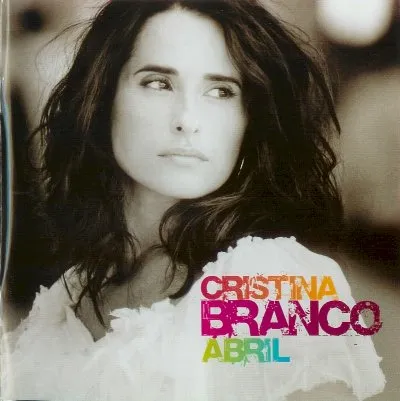
Cristina Branco
GuideHer clear, intimate voice and subtly modern arrangements bring a similarly thoughtful sensibility to fado.

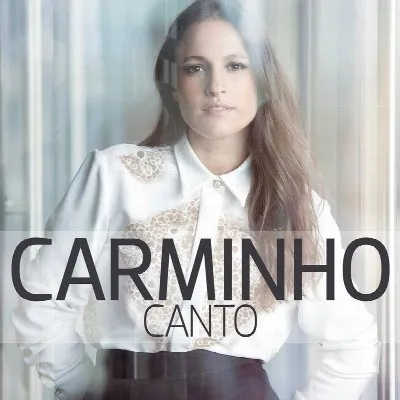
Carminho
Her expressive phrasing sits over supple guitar-led arrangements, pairing traditional fado feeling with an open, contemporary sound.

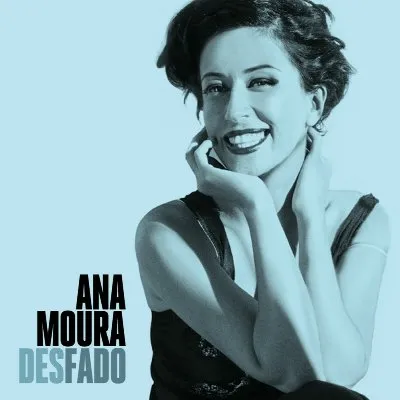
Ana Moura
Her relaxed vocal control and fado roots make a good fit, especially in songs where the pulse stays gentle and the mood inward.

Mísia
Her dramatic but finely controlled delivery and artful arrangements suit listeners drawn to fado with an introspective, modern edge.

Common questions
Who sounds like António Zambujo?
Artists similar to António Zambujo include Camané, Ricardo Ribeiro, Carlos do Carmo and Marco Rodrigues. Each shares elements of António Zambujo's sound while bringing their own perspective.
What genre is António Zambujo?
António Zambujo is primarily known for fado. Zambujo's music thrives on a gentle pulse, where rhythmic restraint meets emotive phrasing, creating an atmosphere that feels both introspective and inviting.
Where should I start if I like António Zambujo?
If you enjoy António Zambujo, start with Camané — their album "Na Linha da Vida" is a great entry point. Start here for a similarly restrained fado approach, where a warm male voice lets subtle rhythmic shifts and finely shaped phrasing carry the emotion.